
アジアでイスラエル化する日本 ⁈――防衛力強化が続く日本に中国が抱く姿とは?
ダライ・ラマ法王の甥、ケドルプ・ソンドゥップ氏による分析
「アジアのイスラエル」としての日本:なぜ北京は警戒するのか
Japan as the “Israel of Asia”: Why Beijing is Alarmed
April 13, 2026
Published byKhedroob Thondup, the nephew of the Dalai Lama
エグゼキュティブ・サマリー
論点
- 中国は日本が「アジアのイスラエル」化しつつあると懸念——米国に支援された、技術的に高度な民主主義国家が権威主義的大国と対峙する構図
日本のイスラエル化を示す要素
- 防衛予算をGDP比2%(2027年目標)へ増額、世界有数の規模へ
- 長距離打撃能力の取得と米豪との共同演習の拡大
- 台湾有事への関与を公言、平和主義から積極的抑止へ転換
北京が警戒する三つの理由
- 台湾有事の多国間化——日本の関与表明が台湾問題を二国間から多国間の危機へ
- 米国の恒久的軍事拠点——沖縄基地・ミサイル防衛が日本をアジア戦略の要に
- 連携網の拡大——豪・印・台湾との協力がインド太平洋での中国封じ込めに直結
歴史的文脈
- 中国は日本の再軍備を戦時軍国主義の復活と位置づけるが、論者は民主主義的連帯と戦略的必要性によるものと反論
主な含意
- エスカレーションリスク:台湾危機が日米豪を巻き込む広域戦争に発展する危険性
- 経済的打撃:貿易制限・観光禁止が地政学の経済波及を示す前兆
- イデオロギー対立:日本の民主主義的粘り強さが権威主義優位の中国的narrativeに挑戦
結論
- 中国の恐怖の本質は軍備増強そのものではなく、日本が米国支援のもとアジアの恒久的防壁となること——台湾問題は二国間紛争を超え、民主主義対権威主義の数十年にわたる対立の震源地となりうる
Executive Summary
Thesis
- China fears Japan is becoming the “Israel of Asia”—a U.S.-backed, technologically advanced democracy prepared to confront a larger authoritarian power
Japan’s Evolving Military Profile
- Defense budget heading to 2% of GDP by 2027, among the world’s largest
- Acquiring long-range strike capabilities; expanding joint drills with the U.S. and Australia
- Publicly declaring involvement in any Taiwan contingency; shifting from pacifism to proactive deterrence
Three Reasons Beijing Is Alarmed
- Taiwan Contingency: Japan’s stated readiness transforms Taiwan from a bilateral to a multilateral flashpoint
- Permanent U.S. Foothold: Okinawa bases and missile defense make Japan indispensable to U.S. strategy in Asia
- Coalition Building: Deepening ties with Australia, India, and Taiwan undermine China’s Indo-Pacific ambitions
Historical Context
- Beijing frames Japan’s rearmament as a revival of wartime militarism; the author counters it reflects democratic solidarity and strategic necessity
Key Implications
- Escalation Risk: A Taiwan crisis could draw in Japan, the U.S., and Australia, widening into a broader conflict
- Economic Fallout: Trade restrictions and tourism bans signal how quickly geopolitics bleeds into economics
- Ideological Contest: Japan’s democratic resilience directly challenges China’s authoritarian narrative for Asia
Conclusion
- China’s core fear is not Japan’s military buildup per se, but Japan becoming a permanent U.S.-backed bulwark in Asia—one whose existence entrenches strategic rivalry and transforms the Taiwan question into the epicenter of a decades-long democratic vs. authoritarian confrontation in the Indo-Pacific
China’s growing anxiety over Japan’s strategic trajectory reflects a deeper fear: that Tokyo is transforming into the “Israel of Asia”—a small but technologically advanced democracy, backed by Washington, prepared to confront a larger authoritarian neighbor. This analogy is not rhetorical flourish; it captures Beijing’s concern that Japan could become a permanent, militarized outpost of U.S. power in Asia, much as Israel anchors American influence in the Middle East.
Israel’s role in the Middle East has long been defined by three features: Unwavering U.S. backing through military aid and diplomatic cover. Technological and military superiority relative to its neighbors. Willingness to act decisively in regional conflicts, often preemptively.
Japan increasingly mirrors this profile. Its defense budget is on track to reach 2% of GDP by 2027, placing it among the world’s largest. Tokyo is acquiring long-range strike capabilities, expanding joint drills with the U.S. and Australia, and openly declaring that Taiwan’s security is inseparable from its own. For Beijing, this signals a shift from pacifist restraint to proactive deterrence.
Why Beijing Is Worried: Taiwan Contingency.
Japan’s leaders have stated that a Chinese assault on Taiwan would trigger Japanese involvement. This echoes Israel’s readiness to intervene against existential threats, backed by U.S. guarantees. For Beijing, Japan’s stance transforms Taiwan from a bilateral issue into a multilateral flashpoint. Permanent U.S. Foothold.
Just as Israel anchors U.S. power in the Middle East, Japan could serve as Washington’s enduring military hub in Asia. U.S. bases in Okinawa and expanded missile defense systems already make Japan indispensable to American strategy. Coalition Politics. Japan is deepening ties with Australia, India, and Taiwan, building a network akin to Israel’s quiet partnerships with Arab states against Iran. This coalition-building undermines China’s efforts to isolate Taiwan and dominate the Indo-Pacific.
China’s alarm is rooted in history. Japan’s wartime militarism left scars across Asia, and Beijing frames Tokyo’s rearmament as a revival of that legacy. Yet Japan’s current trajectory is not about imperial ambition—it is about democratic solidarity and strategic necessity. Much as Israel’s survival shaped its military posture, Japan’s proximity to Taiwan and North Korea compels it to shed pacifist illusions.
Implications. Escalation Risk: A Taiwan crisis could now draw in Japan, the U.S., and Australia, transforming a regional conflict into a broader war. Economic Fallout: Trade restrictions and tourism bans already show how quickly geopolitics spills into economics. Ideological Contest: Japan’s democratic resilience, like Israel’s, challenges China’s narrative that authoritarianism is the future of Asia.
China’s fear is not simply about Japan’s military buildup. It is about Japan becoming a permanent, U.S.-backed bulwark in Asia—an Israel-like state whose very existence locks in strategic rivalry. If this transformation continues, the Taiwan question will not be a bilateral dispute but the epicenter of a decades-long confrontation between democracy and authoritarianism in the Indo-Pacific.
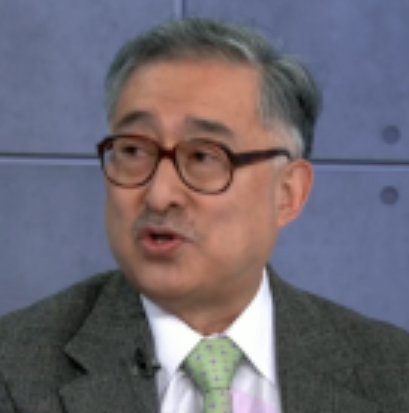
Khedroob Thondup(ケドルプ・ソンドゥップ)
Khedroob Thondup is the son of Gyalo Thondup, elder brother of the Dalai Lama. Educated at St. Stephens College Delhi University and the University of San Francisco. He was a personal assistant to the Dalai Lama and accompanied him on his first trip to the U.S. in 1979.
He was sent by the Dalai Lama to Beijing from 1980 till 1993 for dialogue talks where he interacted with Xi Zhongxun and Hu Jintao. He has served as Member of the Tibetan Parliament in Exile for three terms and is the President of the Tibetan Refugee Self Help Centre Darjeeling since 1987. He has edited two books, Dalai Lama My Son and Tibet in Turmoil and presently lives in Taipei, Taiwan.