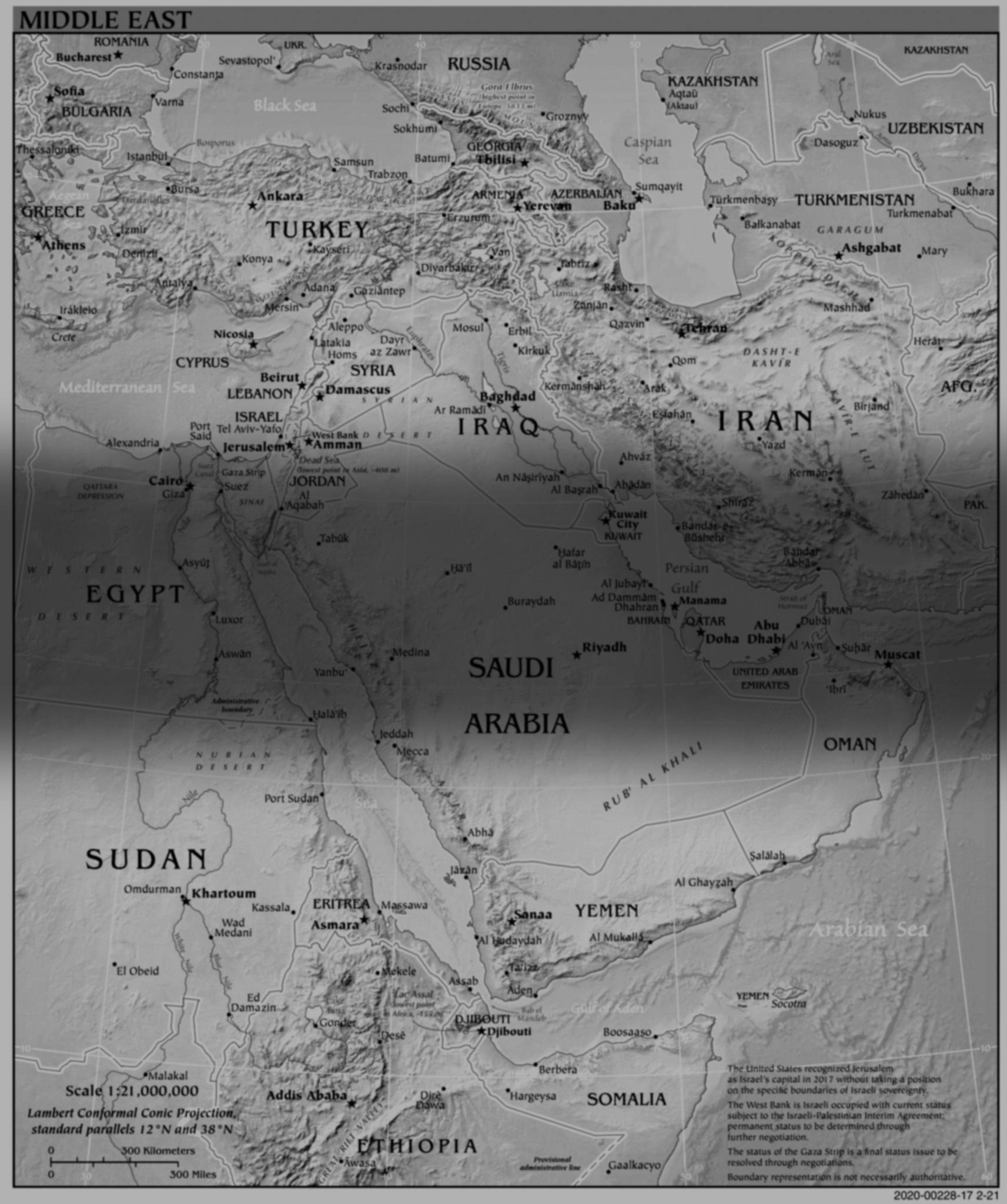
【寄稿論考】「日本の軍国主義に対する中国の脅威認識」
China’s Fear of Japan’s Militarism
ダライ・ラマ法王の甥、ケドルプ・ソンドゥップ氏による分析
April 29, 2026
Published by Khedroob Thondup(ケドルプ・ソンドゥップ), the nephew of the Dalai Lama
*英訳版は日本語版の後に掲載しています。/ The English translation follows the Japanese text below.
はじめに
日本の防衛力増強に対する中国の警告は、単なる修辞にとどまらない。それは歴史的トラウマに根ざした深い不安を反映しており、日本の変化する軍事姿勢によって先鋭化され、さらに対中封じ込め戦略における日本の役割によって増幅されている。北京は、日本の軍国主義への回帰が、アジアにおける中国の「必然的覇権」という物語を損ない、台湾海峡および東シナ海における戦略的計算を複雑にすることを恐れている。
歴史的記憶:政治的資本としてのトラウマ
- 第二次世界大戦の遺産: 南京大虐殺と日本による占領は、中国ナショナリズムの中核であり続けている。北京は日本の防衛力拡大を「軍国主義の復活」と位置づけ、国家の尊厳を守る守護者としての中国共産党の正統性を強化している。
- 象徴的な摩擦点: 日本の国会議員による靖国神社参拝は、戦争犯罪者の賛美として非難され、歴史修正主義への恐怖を強めている。
- 政治的有用性: 日本の戦時中の侵略行為を持ち出すことで、北京は国内の支持を動員し、歴史的正義の守護者として自国を位置づけている。
参考:サウス・チャイナ・モーニング・ポスト「中日軍事的緊張:2026年に何が待ち受けるか」(2026年4月)
戦略的現在:日本の防衛変革
- 憲法の再解釈: 日本は第9条を再解釈し、集団的自衛権の行使を可能にすることで、本土防衛を超えた軍事的役割を拡大した。
- 予算の急増: 日本の防衛予算は2026年に過去最高水準に達し、長距離反撃ミサイルおよびサイバー能力への投資が進んでいる。
- 台湾要因: 高市早苗首相は、中国が台湾を攻撃した場合に日本が軍事行動を取る可能性があると表明し、北京から強い抗議を招いた。
- 同盟のてこ: 米国の「第一列島線」戦略への日本の統合は、中国の包囲への懸念を高め、北京が西太平洋を支配する能力を損なわせている。
参考:フォーリン・アフェアーズ「日本の防衛変革と中国の戦略的不安」(2026年)
心理的・経済的側面
- 抑止力モデル: 少子高齢化にもかかわらず、日本は技術的に高度で外交的影響力も維持している。軍事的に自己主張する日本は、小規模ながらも強力な抑止力となり得る存在であり、中国の「必然的覇権」という物語を揺るがしかねない。
- 経済的報復: 中国は水産物の輸入や観光、文化交流を制限し、経済的つながりを対日本の武器として用いる意志を示している。アナリストは、日本が観光収入で2兆2,000億円の損失を被り、GDPが0.36%減少する可能性があると試算している。
参考:ザ・ディプロマット「日本の新たな安全保障姿勢とその地域的影響」(2025年)
ダブルスタンダード:中国自身の軍事化
- 海軍力の拡大: 北京は世界最大の海軍を建設し、南シナ海を軍事化しているにもかかわらず、日本のはるかに小規模な動きを「地域の不安定化」と非難している。
- 信頼性の欠如: 日本の脅威を誇張しながら自国の軍備増強を進めることで、中国は地域外交における自国の信頼性を自ら損なっている。
- 地域への影響: 東南アジア諸国や台湾は、日本の自己主張を中国の拡張に対するバランサーとして評価する傾向を強めており、北京がインド太平洋の安全保障秩序を主導しようとする試みを複雑化させている。
参考:グローバル・タイムズ「中国、日本の軍事的加速は第二次世界大戦の軍国主義者を想起させると批判」(2026年4月)
結論:戦略としての恐怖
中国の日本軍国主義への恐怖は、真の脆弱性を反映している。それは歴史的傷、戦略的競争、そして物語の主導権を失うリスクである。しかし日本の脅威を誇張することで、北京は逆に日本の軍事化を加速させ、日米協力を強化させるリスクを負っており、結果的に自らの地域的野望を損ないかねない。東アジアにおいて、恐怖は単なる感情ではなく、戦略である。そして中国の日本への恐怖は、今後10年間の地域安全保障ダイナミクスを左右する、最も重大な要因となるかもしれない。
参考文献
- サウス・チャイナ・モーニング・ポスト「中日軍事的緊張:2026年に何が待ち受けるか」
- フォーリン・アフェアーズ「日本の防衛変革と中国の戦略的不安」(2026年)
- ザ・ディプロマット「日本の新たな安全保障姿勢とその地域的影響」(2025年)
- グローバル・タイムズ「中国、日本の軍事的加速は第二次世界大戦の軍国主義者を想起させると批判」(2026年4月)
China’s Fear of Japan’s Militarism
April 29, 2026
Published by Khedroob Thondup, the nephew of the Dalai Lama
Introduction
China’s warnings about Japan’s defense buildup are not mere rhetoric. They reflect a deep anxiety rooted in historical trauma, sharpened by Tokyo’s evolving military posture, and amplified by Japan’s role in U.S. containment strategies. Beijing fears that Japan’s return to militarism could undermine China’s narrative of inevitable dominance in Asia and complicate its strategic calculus in the Taiwan Strait and East China Sea.
Historical Memory: Trauma as Political Capital
• World War II legacy: The Nanjing Massacre and Japan’s occupation remain central to Chinese nationalism. Beijing frames Japan’s defense expansion as a “revival of militarism,” reinforcing CCP legitimacy as protector of national dignity.
• Symbolic flashpoints: Visits by Japanese lawmakers to the Yasukuni Shrine are condemned as glorification of war criminals, reinforcing fears of historical revisionism.
• Political utility: By invoking Japan’s wartime aggression, Beijing mobilizes domestic support and positions itself as the guardian of historical justice.
Reference: South China Morning Post, China-Japan military tensions: what lies ahead in 2026? (April 2026).
Strategic Present: Japan’s Defense Transformation
• Constitutional reinterpretation: Japan has reinterpreted Article 9 to allow collective self‑defense, expanding its military role beyond homeland defense.
• Budget surge: Tokyo’s defense budget reached record levels in 2026, with investments in long‑range counterstrike missiles and cyber capabilities.
• Taiwan factor: Prime Minister Sanae Takaichi declared that a Chinese attack on Taiwan could trigger Japanese military action, provoking sharp protests from Beijing.
• Alliance leverage: Japan’s integration into U.S. “first island chain” strategy heightens Chinese fears of encirclement and undermines Beijing’s ability to dominate the Western Pacific.
Reference: Foreign Affairs, Japan’s Defense Transformation and China’s Strategic Anxiety (2026).
Psychological and Economic Dimensions
• Resilience model: Despite demographic decline, Japan remains technologically advanced and diplomatically influential. A militarily assertive Japan could become a small but formidable deterrent power, undermining China’s narrative of inevitable dominance.
• Economic retaliation: China has restricted seafood imports, tourism, and cultural exchanges, signaling its willingness to weaponize economic ties against Japan. Analysts estimate potential losses of ¥2.2 trillion in tourism revenue and a 0.36% GDP decline for Japan.
Reference: The Diplomat, Japan’s New Security Posture and Its Regional Impact (2025).
Double Standards: China’s Own Militarization
• Naval expansion: Beijing has built the world’s largest navy and militarized the South China Sea, yet condemns Japan’s far smaller moves as destabilizing.
• Credibility gap: By exaggerating Japan’s threat while pursuing its own military buildup, China undermines its credibility in regional diplomacy.
• Regional impact: Southeast Asian states and Taiwan increasingly view Japan’s assertiveness as a counterbalance to China’s expansion, complicating Beijing’s efforts to dominate the Indo‑Pacific security order.
Reference: Global Times, China slams Japan’s accelerating military agenda as echoing WWII militarists (April 2026).
Conclusion: Fear as Strategy
China’s fear of Japanese militarism reflects genuine vulnerabilities: historical wounds, strategic competition, and the risk of losing narrative control. But by exaggerating Japan’s threat, Beijing risks accelerating Tokyo’s militarization and strengthening U.S.-Japan cooperation, ultimately undermining its own regional ambitions. In East Asia, fear is not just an emotion—it is a strategy. And China’s fear of Japan may prove to be the most consequential driver of regional security dynamics in the decade ahead.
References
• South China Morning Post, China-Japan military tensions: what lies ahead in 2026?
• Foreign Affairs, Japan’s Defense Transformation and China’s Strategic Anxiety (2026)
• The Diplomat, Japan’s New Security Posture and Its Regional Impact (2025)
• Global Times, China slams Japan’s accelerating military agenda as echoing WWII militarists (April 2026)
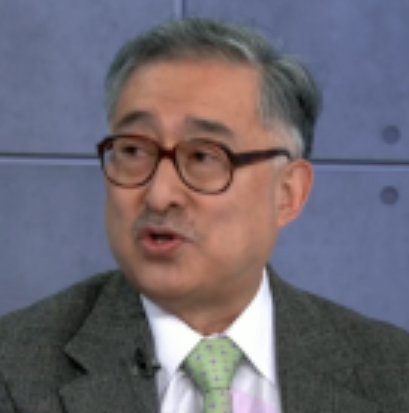
Khedroob Thondup(ケドルプ・ソンドゥップ)
Khedroob Thondup is the son of Gyalo Thondup, elder brother of the Dalai Lama. Educated at St. Stephens College Delhi University and the University of San Francisco. He was a personal assistant to the Dalai Lama and accompanied him on his first trip to the U.S. in 1979.
He was sent by the Dalai Lama to Beijing from 1980 till 1993 for dialogue talks where he interacted with Xi Zhongxun and Hu Jintao. He has served as Member of the Tibetan Parliament in Exile for three terms and is the President of the Tibetan Refugee Self Help Centre Darjeeling since 1987. He has edited two books, Dalai Lama My Son and Tibet in Turmoil and presently lives in Taipei, Taiwan.