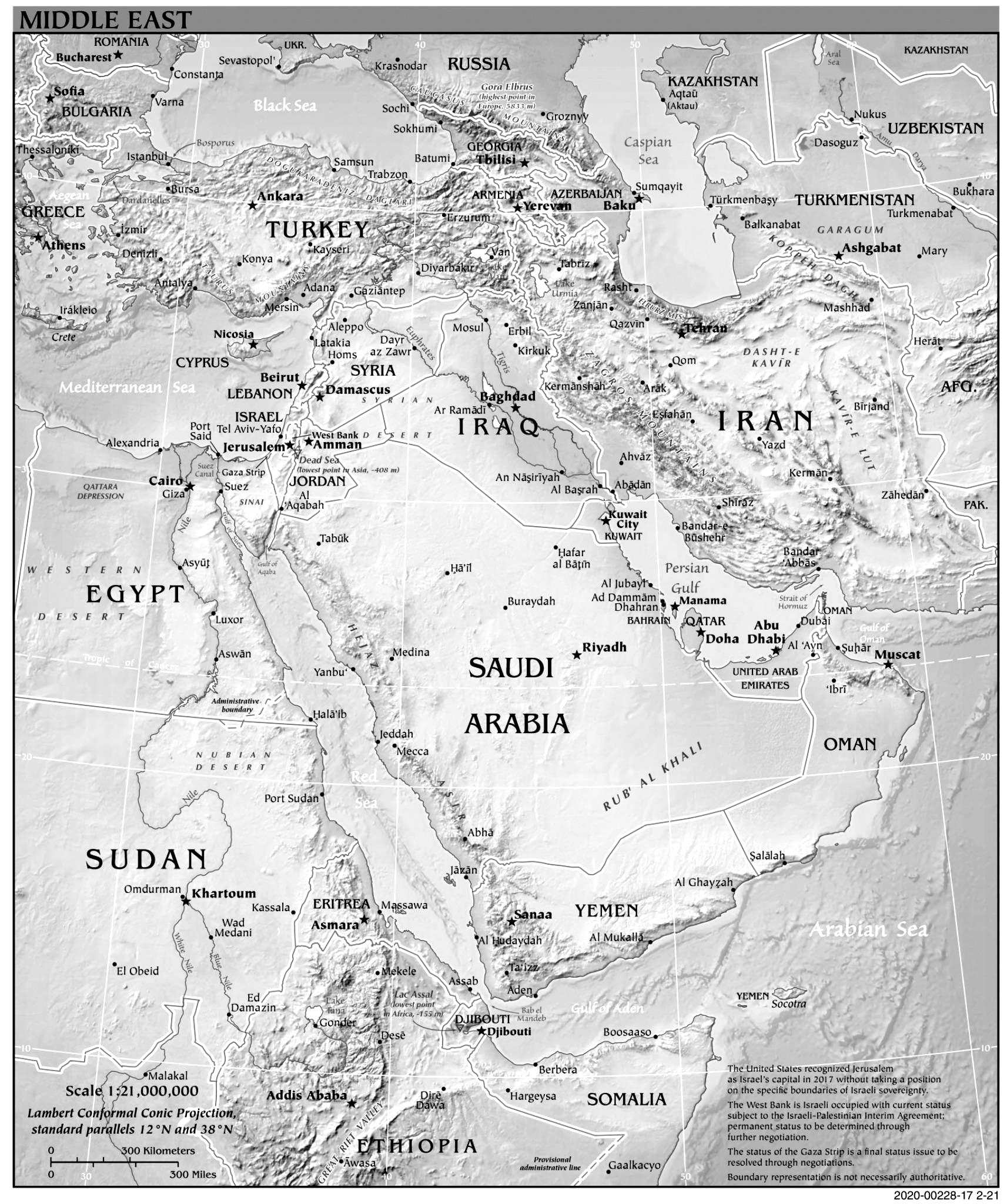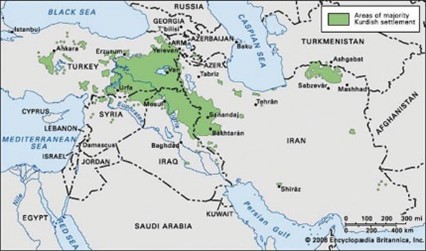
― ユダヤ民族とクルド民族を軸とした戦略連関 ―
Geopolitics of the Middle East through Ethnicity, Resources, and Military Strategy
— Strategic Linkages Centered on Israel and Kurdistan —
2026.04.21
発行元: 中東アジア情報戦略研究所
*There is an English version below this Japanese article.
はじめに
ユダヤ民族とクルド民族の関係性を分析する研究は、これまでほとんど行われていない。両民族には共通点もあるが、状況や歴史的背景には大きな差異がある。
ユダヤ民族は1948年にイスラエルを建国した一方、クルド民族は分断されており、いまだ独立国家を持たない。さらに、クルド民族は文字を持たない最大級の民族でもある。宗教的には、ユダヤ民族はユダヤ教を信仰するのに対し、クルド人はゾロアスター教を基本にしつつも、現在ではイスラム教徒が多数を占める。
歴史的観点では、ユダヤ民族は世界各地に離散させられた民族であるのに対し、クルド民族は地理的・政治的に分断された民族である。また、ユダヤ民族は選民主義的なアイデンティティを保持してきたのに対し、クルド民族はメソポタミア文明発祥の地に根ざす歴史的・民族的アイデンティティを有している。
経済的には、ユダヤ人は世界経済に大きな影響力を持つ一方で、クルド民族はトルコ、イラン、さらには米国やロシアといった大国の影響下で翻弄される立場にある。
本稿では、歴史、経済、軍事、政治、民族の各観点から、ユダヤ人とクルド人の関係性および両者の違いを考察することを目的とする。
エグゼクティブサマリー
- 民族要因
クルド人は中東最大の無国家民族、中東では国家境界と民族分布が一致していない。ユダヤ人は離散民族から国家再建した民族であり、両者の歴史は民族政治の象徴である。 - 軍事戦略
イスラエルは周辺同盟戦略を採用し、クルド勢力や非アラブ国家と連携して安全保障を構築してきた。 - 資源地政学
クルディスタン地域は石油・天然ガス資源を有する重要地域であり、資源を持たないイスラエルにとって戦略的価値を持つ。潜在的戦略パートナーである。 - エネルギー取引
2014〜2017年、イスラエルはクルディスタン産原油の主要購入国の一つとなり、非公式エネルギー供給ネットワークが形成された。 - 地域秩序再編
アブラハム合意以降、中東ではイスラエル・湾岸諸国・トルコ・中央アジアを含む新しい安全保障・資源連携が形成されつつある。
キーワード
- クルド民族の無国家性とディアスポラ
- ユダヤ民族のディアスポラと国家形成(シオニズム)
- 都市集中型政治影響力と民族ネットワーク
- 周辺同盟戦略と非アラブ勢力との戦略的連携
- 資源地政学とクルディスタンのエネルギー戦略
1 民族要因:クルド民族
1-1クルド民族の人口と分布
クルド人人口:約3000万〜4000万人
分布
- トルコ
- イラン
- イラク
- シリア
- アルメニア
- 第一次世界大戦後サイクス・ピコ協定によって民族地域が分割され、国家を持たない状態が続いている。
移民などを経て、
- イスラエル
- ロシア
- イスラエル
- イギリス
- 欧州各国
- 米国
に居住する。統計上の目安となるのは、国籍を取得する際の出身地が目安となる。これを元に統計する他ない。
1-2 欧州と英国移民
| 国 | クルド人 |
| ドイツ | 約120万人 |
| フランス | 約32万人 |
| オランダ | 約12万人 |
| スウェーデン | 約12万人 |
| ベルギー | 約9万人 |
| オーストリア | 約8.5万人 |
| 英国 | 約9万人以上 |
1-3欧州人口に対する割合
欧州連合の人口は、約4億5000万人程度。 仮にクルド人を
- 150万〜200万人
とすると= つまり約0.3〜0.5%程度になる。
1-4国別だと割合はかなり違う
特定の国では割合がやや高くなる。
例
- ドイツ
- 約120万人
- 人口8300万人
- 約1.4%
- スウェーデン
- 約12万人
- 人口1050万人
- 約1%前後
- 欧州のクルド人
- 約150万〜200万人
- 欧州人口に対する割合
- 約0.3〜0.5%
- ドイツなど一部の国では 1%以上
1-5イスラエルのクルド系人口
研究や統計では主に2種類に分けられる。
1-5-1クルディスタン出身のユダヤ人(最大のグループ)
- 約 20万〜30万人
- 主に イラク北部・イラン・トルコのクルディスタン地域から移住したユダヤ人とその子孫
多くは
- 1950年代の移民(特にイラクから)
- 空輸移民作戦 「エズラ・ネヘミヤ作戦」などでイスラエルへ移住
特徴
- イスラエル社会に完全に統合
- 主な居住地
- エルサレム
- テルアビブ
- 農村モシャブ(農業村)
1-5-2クルド人(イスラム系など)
これはかなり少なく
- 約15万〜20万人程度という推計もあるが小規模
- 多くは難民や個人移住者
ただし統計は曖昧で、イスラエルでは通常 「クルド系ユダヤ人」が圧倒的多数。
出典
- David McDowall A Modern History of the Kurds
- Mehrdad Izady The Kurds: A Concise Handbook
- CIA World Factbook
1-6 クルド民族の言語
1-6-1 クルマンジー(Kurmanji)
- 言語系統
インド・ヨーロッパ語族 → イラン語派 → 西イラン語群 - 文字
ラテン文字が主流(トルコ、シリア、欧州移民コミュニティで使用) - 地域分布
- トルコ東部・南東部(最大のクルド人人口)
- シリア北部(クルド自治区)
- イラク北部・イラン西部の一部
- 欧州移民コミュニティ(ドイツ、スウェーデンなど)
- 話者人口
約1,500万〜2,000万人(クルド語話者の過半数) - 特徴
- 西部方言の1つで、話者が最も多い
- 古典クルド語に近く、口語・日常会話に強い
- 教育・出版も徐々に普及(特にトルコやシリアでは都市型コミュニティ中心)
1-6-2 ソラニ(Sorani)
- 言語系統
インド・ヨーロッパ語族 → イラン語派 → 西イラン語群 - 文字
アラビア文字改良型(イラク、イラン南部クルド地域で使用) - 地域分布
- イラク・クルディスタン自治政府地域(アルビル、スレイマニヤなど)
- イラン西部クルド地域(サンナンダジュ、サラーヴァンなど)
- 話者人口
約600万〜1,000万人 - 特徴
- 文語・教育言語として使用されることが多く、行政・出版・メディアでも主流
- クルマンジーよりも標準化が進んでおり、学校教育に用いられる
- アラビア文字使用のため、中東地域の公的文書やメディアに適応
1-6-3 クルマンジーとソラニの違い
| 項目 | クルマンジー | ソラニ |
| 文字 | ラテン文字 | アラビア文字改良型 |
| 話者人口 | 約1,500万〜2,000万 | 約600万〜1,000万 |
| 地域分布 | トルコ、シリア北部、イラク北部西部、欧州移民 | イラク北東部(クルディスタン自治政府)、イラン西部 |
| 使用場面 | 日常会話、移民コミュニティ | 教育、行政、出版、メディア |
| 標準化 | 口語中心、地域差が大きい | 標準化進む、文語・公式文書で使用 |
| 文化的特徴 | 民話・歌・口承文化に強い | 学術・行政・出版物に強い |
1-6-4 補足
- バイリンガル傾向
多くのクルド人はクルマンジーとソラニの両方、さらに母国語やトルコ語・ペルシャ語・アラビア語も理解することが多い - 政治的・社会的意味
- クルマンジーは民族・移民コミュニティでの結束に重要
- ソラニは自治政府・教育・行政での標準語としての役割が強い
1-7 トルコ系クルド人が欧州に移民した主な理由
1-7-1 労働移民政策(1960~1970年代)
最初の大きな移民は、欧州の労働力不足が原因。1960年代、西ヨーロッパは高度経済成長期に入り、深刻な労働力不足に直面した。そのため欧州諸国はトルコと「労働者受入協定」を結んだ。
代表例
- 1961年
Germany と Turkey が 労働者協定(Gastarbeiter制度) を締結
この制度により多くのトルコ人労働者が欧州へ渡り、この中にトルコ東部のクルド人も多数含まれていた。
主な移住先
- Germany
- Netherlands
- Austria
- Sweden
この段階では、政治難民ではなく「出稼ぎ労働者」であった。
1-7-2 クルド人弾圧と政治難民(1980年代)
1980年代から状況が大きく変わる。1980年にトルコで
- 1980 Turkish coup d’éta が発生した。
軍政は左派・クルド民族運動を強く弾圧した。さらに1984年から
- Kurdistan Workers’ Partyとトルコ政府の武装衝突が始まった。
この結果
- 村の破壊
- 強制移住
- 政治弾圧
が増加し、政治難民として欧州へ亡命するクルド人が急増した。
1-7-3 村落破壊と国内避難民(1990年代)
1990年代は最も大きな移民波が発生した。トルコ政府はPKK対策としてクルド農村の強制移住政策を実施した。
国際研究では
- 約3000~4000の村が破壊
- 約200万人が国内避難民
とされている。この中の一部が欧州へ移住した。
主な受入国
- Germany
- France
- Sweden
- Netherlands
特にスウェーデンは政治亡命の受入が寛容であった。
1-7-4 家族呼び寄せ移民(1990~2000年代)
最初に移住した労働者・難民が定住すると、家族呼び寄せ移民が増、これにより欧州のクルド人口は急増した。現在の推定:欧州クルド人口→約150万~200万人
内訳(概算)
- Germany
約80万~100万人 - France
約30万人 - Sweden
約10万人 - Netherlands
約10万人 - Austria
約10万人
1-7-5 まとめ(地政学的視点)
トルコ系クルド人の欧州移民は以下の4要因の重なりである。
1 労働移民(1960年代)
2 軍事政権弾圧(1980年代)
3 PKK紛争(1990年代)
4 家族呼び寄せ移民(2000年代)
つまり「経済移民 → 政治難民 → ディアスポラ形成」という三段階で形成された。
2 民族要因:ユダヤ民族
ユダヤ人:歴史的特徴
- 離散(ディアスポラ)民族
· 近代民族運動
· シオニズム:1948年 イスラエル建国
19世紀:シオニズム運動により1948年イスラエル建国→民族国家を再建した。
2-1 世界人口に占める割合
- 世界人口:約 80億人
- ユダヤ人人口:約 1,500万人 計算すると約0.18%〜0.2%(約500人に1人)となる。
2-2 主な地域別人口(主要国)
| 順位 | 国 | ユダヤ人口 |
| 1 | Israel | 約730万人 |
| 2 | United States | 約630万人 |
| 3 | France | 約43.8万人 |
| 4 | Canada | 約40万人 |
| 5 | United Kingdom | 約31.3万人 |
| 6 | Argentina | 約17万人 |
| 7 | Germany | 約12.5万人 |
| 8 | Russia | 約12.3万人 |
| 9 | Australia | 約11.7万人 |
| 10 | Brazil | 約9万人 |
| 11 | South Africa | 約4.9万人 |
| 12 | Hungary | 約4.5万人 |
| 13 | Mexico | 約4.1万人 |
| 14 | Netherlands | 約3.5万人 |
| 15 | Ukraine | 約3.2万人 |
| 16 | Belgium | 約2.9万人 |
| 17 | Italy | 約2.7万人 |
| 18 | Switzerland | 約2.0万人 |
| 19 | Uruguay | 約1.6万人 |
| 20 | Chile | 約1.5万人 |
| 21 | Turkey | 約1.5万人 |
| 22 | Sweden | 約1.49万人 |
| 23 | Spain | 約1.3万人 |
| 24 | Austria | 約1.03万人 |
| 25 | Panama | 約1万人 |
(※1万人以上の国)
ユダヤ人の多くは次の国に集中している。
中東
- Israel
約約730万人(世界最大)世界のユダヤ人の 約46% がここに住んでいる。
北米
- United States
約約630万人 世界で2番目のユダヤ人口。 - Canada
約40万人
欧州
- France
約43万8千人 - United Kingdom
約31万人 - Germany
約12万5千人 - Russia
約12万3千人
南米
- Argentina
約17万人 - Brazil
約9万人
オセアニア
- Australia
約11万7千人
中東・イスラム圏は非常に少ない
かつて多く住んでいた中東では現在
- Turkey 約1.4万人
- Iran 約9000人
- Morocco 約2000人
程度まで減少している。
2-3 地理的特徴:世界人口の集中度
世界のユダヤ人の分布は極めて偏っている。
| 地域 | 割合 |
| イスラエル | 約46% |
| 米国 | 約40% |
| その他の国 | 約14% |
つまり、世界のユダヤ人の約85%以上がイスラエルと米国に集中している。
2-4ユダヤ民族が都市部に集中した理由
2-4-1宗教的・社会的制約からの背景
- 土地所有の制限
中世ヨーロッパでは、多くの国でユダヤ人が農地を所有することを禁止されていた。農業が主要な生計手段だった時代に、土地を持てないことは田舎での生活を困難にした。そのため、自然と都市部で商業や手工業に従事することになった。 - 居住制限(ゲットー制度)
特にイタリア、ポーランド、ドイツなどでは、ユダヤ人は都市内の特定区域(ゲットー)に居住を制限され、これが都市集中の直接的要因となった。
2-4-2 経済的な理由
- 商業・金融業への従事
宗教的理由やギルド制の制約で多くの職業に就けなかったユダヤ人は、都市で貸金業、商業、職人業、金融業などに従事し、都市部は市場・交易の中心であり、こうした職業に適していた。 - ネットワーク形成
商業活動は人的ネットワークが重要であり、都市に集まることで同胞間の信頼関係や情報網を活用できた。
2-4-3迫害と移動の歴史
- 追放の歴史
中世スペイン(1492年のアルハンブラ勅令)やイングランド(1290年)などでユダヤ人は追放され、移住先として都市や交易路沿いの町を選ぶことが多くなり、農村に受け入れられることは少なく、都市に集中せざるを得なかった。 - 相対的安全性
都市は城壁で守られ、地方の村落よりも外敵や暴徒からの迫害を防ぎやすいという利点があり、また都市の行政や権力者に保護を求めやすいという事情。
2-4-4 教育・文化的理由
- 教育水準の維持
ユダヤ教では読み書きや宗教学習が重視されるため、教育施設へのアクセスが必要であり、都市部には学校やラビのコミュニティが集中しており、文化的・宗教的生活を維持するのに便利であった。 - コミュニティ形成
同じ宗教・文化を持つ人々と集まることで、言語、宗教儀式、商業ネットワークを維持できた。
2-4-5近代以降の傾向
- 産業化と都市化
19世紀以降、ユダヤ人は都市における教育職、法律、金融、出版、工業などに進出した。農業に従事する例は少なく、都市化はさらに加速した。 - 移民と都市集中
19世紀末~20世紀初頭、東欧からアメリカや西欧へのユダヤ人移民も都市部に集中し、ニューヨークやワルシャワ、ベルリンなどの都市でコミュニティが形成された。
2-4-6 まとめ
ユダヤ人が都市部に集中するのは以下の複合的要因による:
- 土地所有や職業制限により農村生活が困難
- 商業・金融業への適性と都市市場の存在
- 迫害や追放の歴史により都市が相対的に安全
- 教育・宗教・文化的活動の維持
- 近代化と産業化による都市職業への集中
つまり、都市集中は歴史的に形成された「必然的な選択」であり、文化的・社会的ネットワークを維持する上でも合理的な戦略。
2-5イスラエル国内の人口
イスラエルの人口は、約980万〜1000万人(2024〜2025年頃の推計)
内訳はおおよそ次の通り。
| グループ | 人口 | 割合 |
| ユダヤ人 | 約730万人 | 約73〜74% |
| アラブ系(主にパレスチナ系) | 約210万人 | 約21% |
| その他 | 約40万人 | 約4〜5% |
※「その他」
- 非ユダヤ系移民
- キリスト教徒
- ドゥルーズなどが含まれる。
2-6 クルド系ユダヤ人
イスラエルには クルディスタン地域出身のユダヤ人の子孫が多く、
- 約20万〜30万人
- 人口の 約2〜3%
と推定されている。主なルーツの地域
- イラク北部
- イラン西部
- トルコ東部
- シリア北部
2-7イスラエルのクルド系政治家の例
シモン・ペレス元首相はクルド系?
イスラエル元大統領 シモン・ペレス の出身は、ポーランド領(現在のベラルーシ)生まれ。東欧ユダヤ人(アシュケナジ系)と言われている。
基本プロフィール
- 生年:1923年
- 出身:ヴィシニェヴァ(当時ポーランド)
- 1934年に家族とともにパレスチナへ移住
そのため民族的には、クルド系ではなく東欧ユダヤ系と言われる。
※イスラエルにクルド系首相はいないとされている。
しかし、シモン・ペレスは東欧ユダヤ系と言われているが彼の先祖は約120年前にイラク北部(クルディスタン地域)から移民したと言われている。根拠として、親族の葬儀に出席したともいわれている。他にも
- サーレブ・サレム
- エルサレム市長(1967–1969)
- クルド系ユダヤ人
などがいる。イスラエルには、クルド系ユダヤ人政治家が存在する。
3.ユダヤ民族とクルド民族の政治・経済の比較
3-1ユダヤ系政治家の世界的活躍
| 地域 | 政治家例 | ポジション | 特徴・背景 |
| アメリカ | Bernie Sanders | 上院議員・大統領候補 | 議会・地方政治で広く活躍、教育・都市コミュニティ出身が多い |
| Chuck Schumer | 上院多数党院内総務 | 議会内で指導的立場、ユダヤ系ネットワーク活用 | |
| Dianne Feinstein | 上院議員 | 長期在任で政策影響力大 | |
| イギリス | Benjamin Disraeli | 首相(19世紀) | ユダヤ系家庭出生、民族的背景が政治キャリアに影響 |
| フランス | Léon Blum | 首相(1930年代) | 労働運動・社会党で活躍、民族的少数派から政権達成 |
| ウクライナ | Volodymyr Zelenskyy | 大統領(2019〜) | コメディアンから政界転身、都市型・メディア出身 |
| ハンガリー | Gordon Bajnai | 首相(2009〜2010) | 経済・財政分野出身で政治家へ |
| ドイツ | Michel Friedman | 州政治・評論家 | 連邦より州レベルで影響力、都市部に集中 |
| アルゼンチン | Sergio Bergman | 元環境大臣 | 移民社会で都市中心に活躍 |
共通特徴:
· 都市集中型コミュニティ出身
· 教育・法律・メディア背景が多い
· 移民社会でのネットワークを活かす
· 世界各地で少数派から政権・議会に進出
3-2クルド系政治家の世界的事例
| 地域 | 政治家例 | ポジション | 特徴・背景 |
| トルコ | Selahattin Demirtaş | 元人民民主党(HDP)党首・国会議員 | 民族的少数派として地方・国会で活動 |
| Kurçidal Ör | 大統領候補 | トルコで大統領選出馬経験、民族派・都市部支持層中心 | |
| イラク・クルディスタン | Masoud Barzani | クルディスタン地域大統領 | 自治政府のトップ、地域政治中心 |
| イラン(クルド地域) | Abdul Rahman Ghassemlou | 政治家・活動家(歴史的人物) | 少数派権利運動に従事、中央政権との対立あり |
| ドイツ | Helin Evrim Sommer | 議会議員 | 移民・難民として政治参加、都市部選挙区中心 |
| オランダ | Dilan Yesilgöz | 副首相兼国防大臣 | クルド系出身、国政で主要閣僚ポストに就任 |
| 英国 | Hikmet Ersek元財務大臣 | 地方自治体・市議会 | クルド系コミュニティ支援・政策提言 |
| 政府財務大臣 | 国政で高官経験、クルド系として主要ポストに就任 | ||
| オーストリア | Berivan Aslan | 国会議員 | クルド系出身、移民コミュニティの代表的政治家 |
| オーストリア | 前回首相候補 | 首相候補 | クルド系出身、政党支持基盤は都市部移民コミュニティ |
共通特徴:
· 民族的少数派として地方・国会で活動
· 難民・移民コミュニティを基盤に政治参加
· 中央政権との対立や自治権獲得運動と結びつく
· 欧州では都市部の多文化地区を拠点に議員活動
3-3ユダヤ民族とクルド民族の政治家比較まとめ
| 観点 | ユダヤ系政治家 | クルド系政治家 |
| 地理的広がり | 米国・ヨーロッパ・イスラエル・南米 | トルコ・イラク・イラン・欧州(ドイツ・スウェーデン・英国・オーストリア) |
| 政治到達レベル | 国家元首・首相・上院議員など多数 | 地域首長・国会議員・地方議会中心、欧州で高官・首相候補経験あり |
| 都市集中性 | 都市・都市型コミュニティ出身が多数 | 欧州では都市部移民コミュニティ中心、母国では民族地域・都市部支持層 |
| 進出の背景 | 教育・法律・金融・メディアを活かす、移民社会でネットワークを活用 | 民族的少数派としての権利運動、難民・移民コミュニティ基盤 |
| 政治戦略 | 主流政党・中央政権参入、制度内進出 | 自治権確保・少数派代表、中央政権と対立、欧州では高官・首相候補として制度内進出も増加 |
3-4 なぜ欧州のクルド人は政治的影響力を持つようになったのか
― ディアスポラ政治と欧州民主主義構造 ―
欧州に移住したクルド人は、単なる移民コミュニティにとどまらず、政治・社会・メディアの分野で一定の影響力を持つようになった。
その背景には、欧州政治制度、ディアスポラ形成、組織化されたロビー活動など複数の要因が存在する。以下では、その構造を五つの要因から分析する。
3-4-1 欧州の移民政治制度
欧州の多くの国では、移民が政治参加する制度が比較的整っている。
例えば
- Germany
- Sweden
- Netherlands
- Austria では
- 永住権
- 地方参政権
- 帰化制度
が比較的容易である。そのため第二世代・第三世代のクルド人が
- 市議会
- 国会
- 政府機関
に進出する土壌が形成された。
3-4-2 都市集中による政治力
欧州のクルド人は都市部に集中している。
主な都市
- Berlin
- Cologne
- Stockholm
- Amsterdam
- Vienna
都市選挙区では、数万票の民族票が政治結果に影響することがあります。このため政党は
- 移民政策
- 人権政策
- クルド問題
に配慮するようになった。
3-4-3 ディアスポラ組織の形成
欧州クルド社会は非常に組織化されている。
代表的組織
- Kurdistan Workers’ Party 系ネットワーク
- Kurdish National Congress
- 欧州クルド文化協会
- 人権団体
これらの団体は
- デモ
- ロビー活動
- 議会ロビー
を通じて政治影響力を形成した。特に欧州議会では、クルド問題は、人権問題として議論される傾向がある。
3-4-4 メディア・NGOネットワーク
欧州のクルド人は
- 人権NGO
- 学術機関
- メディア
と連携するケースが多い。特に
- シリア紛争
- 対ISIS戦争
ではクルド武装勢力が西側メディアで肯定的に報道されることが多かった。
例えば
- Islamic State
との戦闘で
クルド勢力
- People’s Protection Units
が注目された。この結果、欧州社会では、「クルド=民主的勢力」というイメージが形成された。
3-4-5 欧州政党との連携
クルド系政治家は、主に以下の政党に所属する傾向がある。
- 左派政党
- 環境政党
- 社会民主主義政党
代表例
- Dilan Yeşilgöz
(オランダ政府副首相・国防大臣) - Berivan Aslan
(オーストリア国会議員) - Helin Evrim Sommer
(ドイツ議会)
このように、欧州政党政治の中に統合されたことが政治影響力の拡大につながった。
3-4-6 結論
欧州におけるクルド政治影響力は、以下の五要素の組み合わせで形成された。
1 欧州の移民政治制度
2 都市集中による民族票
3 組織化されたディアスポラ
4 NGO・メディア連携
5 欧州政党との統合
つまり、クルド問題は中東問題であると同時に、欧州政治問題でもあるという構造が生まれている。
3-5 ユダヤ系起業家・ビジネスリーダー
| 地域 | 起業家例 | 業界 | 特徴・背景 |
| アメリカ | Mark Zuckerberg | IT・SNS(Facebook/Meta) | 都市部出身、教育水準高く、都市ネットワークを活用してグローバル展開 |
| Larry Page / Sergey Brin | IT・検索(Google) | 移民家庭出身、スタンフォード大学など教育環境を活かして起業 | |
| Michael Bloomberg | 金融・メディア | ニューヨーク都市型ビジネス、金融知識・都市ネットワークを活用 | |
| イスラエル | Shai Agassi | IT・エネルギー | 高度教育・軍事技術背景をビジネスに活用、スタートアップ中心 |
| 欧州 | Richard Branson | 交通・メディア・投資(Virgin Group) | 都市拠点での多角化経営、国際ネットワーク活用 |
| 南米 | Marcos Galperin | eコマース(Mercado Libre) | 移民系コミュニティ出身、都市部で起業 |
共通特徴:
- 高度教育・専門知識・都市部ネットワークをフル活用
- 移民や少数派出身でも、都市型起業文化に適応
- グローバル市場やテクノロジー産業に進出するケースが多い
3-6 クルド系起業家・ビジネスリーダー
| 地域 | 起業家例 | 業界 | 特徴・背景 |
| トルコ | Şivan Perwer系ビジネス家(例:KurdiTech創業者) | IT・サービス | クルド系コミュニティ基盤、都市部や海外ネットワークを活用 |
| イラク・クルディスタン | Narin Afrasiyab | 建設・エネルギー | 自治政府と協力、地域経済を基盤に事業展開 |
| 欧州(ドイツ・スウェーデン・オランダ) | Ayşegül Yılmaz | 小売・IT | 移民都市コミュニティで起業、欧州市場への参入 |
| 英国 | 元財務・ビジネスリーダー(クルド系起業家) | 金融・サービス | 難民・移民として都市部で起業、社会ネットワーク活用 |
| オーストリア | 起業家・都市型ベンチャー | テクノロジー・サービス | 移民コミュニティ支援+都市起業 |
共通特徴:
- 民族・移民コミュニティを基盤にスタートアップ
- 欧州では都市部や移民集積地域での事業が中心
- 母国では地域経済・自治権ネットワークを活用してビジネス
- 国際展開は増えているが、規模はユダヤ系起業家より小さいことが多い
3-7 ユダヤ民族とクルド民族起業家比較まとめ
| 観点 | ユダヤ系起業家 | クルド系起業家 |
| 地理的広がり | 米国・イスラエル・欧州・南米 | 母国(トルコ・イラク)・欧州(ドイツ・スウェーデン・オランダ・英国) |
| 業界・分野 | IT・金融・メディア・エネルギー・グローバル企業 | IT・サービス・建設・地域経済型ベンチャー 石油・天然ガス・通信 |
| 規模 | グローバル企業・多国籍展開多数 | 地域・欧州都市型事業中心、国際展開は限定的 |
| 起業動機 | 教育・技術・都市型ネットワークを活かした成長志向 | コミュニティ支援・移民経済・自治ネットワークを活かす |
| 都市集中性 | 高い。都市・大学・金融センターが中心 | 欧州では都市部移民コミュニティ中心、母国では都市・自治中心 |
| 共通点 | 都市ネットワーク・コミュニティの活用 | 都市やコミュニティ基盤を活用 |
3-8 民族別経済ネットワーク比較の洞察
比較対象であるユダヤ人とクルド人の経済社会的差異は、民族コミュニティの歴史的背景、教育文化、移民ネットワークの性質によって説明できる。
- ユダヤ人のディアスポラは長期にわたる国際移住・商業ネットワーク形成を生んできた。
- クルド人社会は地域国家の制約下で分散しており、同様の国際資本ネットワークを形成する基盤が限られている。
3-9 独立性
- ユダヤ人:国境を超えた商業・金融ネットワーク形成
- クルド人:地域国家に制約され、独立資本形成は限定的
本レポートでは、これらの差異をネガティブに評価するのではなく、歴史的条件・教育文化・移民経路の結果としての経済社会的成果の違いとして分析した。
3-10 言語・学問の文化
- ユダヤ人:タルムード教育を基盤に学問重視
- ノーベル賞受賞者が人口比で高い割合
- クルド人:教育機会は地域差が大きく、学術ネットワークは限定的
ユダヤ民族は、ヘブライ語とヘブライ文字がある。しかし、クルド民族は、クルド語はあるがクルド文字がない。北部は、クルマンジー南部は、ソラニという言葉を使用する。ゆえに、学術書などの統一性がなく、言語表記は、アラビア文字を使用することが多い。
4 軍事戦略:周辺同盟構想
4-1イスラエルの軍事戦略
イスラエルは建国直後からアラブ国家に囲まれていた。そこでダヴィド・ベン=グリオンが構想した戦略:周辺同盟(Periphery Doctrine)
内容:「アラブ国家以外の勢力と協力する」
対象勢力
| 相手 | 戦略目的 |
| クルド勢力 | イラク牽制 |
| イラン王政 | 反アラブ同盟 |
| トルコ | 軍事パートナー |
| レバノン・マロン派 | パレスチナ勢力抑制 |
情報協力:モサドがムスタファ・バルザニのクルド勢力を支援した。
4-2イスラエルとクルド人軍事同盟
1960年代から1970年代にかけて、イラクのクルド人指導者ムスタファ・バールザーニ(Mustafa Barzani)を支援し、ペシュメルガ(クルド武装勢力)の訓練や軍事指導を行ったイスラエル軍・モサドの主な将軍や関係者は以下の通り。
- ツリ・サガイ(Tsuri Sagay)
- イスラエル国防軍(IDF)の将校・将軍。1965年頃、イラク北部のザグロス山脈に潜入し、ペシュメルガの戦闘計画や指揮を直接支援した人物として最も名高い。彼の指導により、ペシュメルガはイラク軍に対して効果的な作戦を展開できるようになった。
- メイル・アミット(Meir Amit)
- モサド(イスラエル諜報特務庁)長官。1960年代中盤、バールザーニと直接会談し、イスラエルによる資金、武器、訓練の提供を確立した。1966年頃には、山岳地帯にあるバールザーニの拠点を訪問している。
- レハヴァーム・ゼエーヴィ(Rehavam Ze’evi)
- イスラエル国防軍の将軍(アロフ:少将相当)。モサド高官としてバールザーニを支援し、クルドの治安組織「パラスティン(Parastin)」の設立・強化に深く関与した。
これらの支援は、イスラエルが敵対的なアラブ諸国(特にイラク)を牽制するため、非アラブの周辺勢力と協力する「周辺同盟戦略(Periphery Doctrine)」の一環であった。これにより、バールザーニの軍は近代的な戦術と知識を獲得たとされる。
出典
- Walter Laqueur History of Zionism
- Anita Shapira Israel: A History
5 イスラエルの「周辺同盟(Periphery Doctrine)」とクルド民族
5-1周辺同盟戦略とクルド民族
この戦略は ダヴィド・ベン=グリオン が1950年代に進めた。内容は簡単で、「アラブ諸国の周辺の非アラブ勢力と協力する。」対象は主に
- イラン(当時のパーレビ王朝)
- トルコ
- エチオピア
- クルド人
つまり、イスラエルにとってクルド人は、アラブ国家(特にイラク)を牽制できる存在だった。
5-2 モサドとクルド武装勢力
1960〜70年代、イスラエルの情報機関 モサド はイラクのクルド勢力と秘密協力をしていた。協力相手はムスタファ・バルザニ(イラク・クルド独立運動の伝説的指導者。)
イスラエルが行った支援
- 軍事訓練
- 武器供給
- 情報提供
- イラン経由の支援ルート
目的は、イラクの軍事力を弱めること。
5-3 1975年:突然の支援停止
1975年、状況が変わる。アルジェ協定:この協定で、イラン・イラクが和解した。
結果
- イラン → クルド支援停止
- イスラエル → 支援継続が困難
クルド闘争は崩壊する。これはクルド史の中でも大きな転換点でもある。
5-4 イラク戦争とクルド自治区
2003年のイラク戦争の後、北イラクではクルディスタン地域が事実上の自治国家になった。この地域は中東で珍しく
- 親米
- 親イスラエル
とされる。イスラエル企業や関係者も水面下で関係を持っていると言われている。
5-5クルド独立投票とイスラエル
2017年クルディスタン独立住民投票が行われた。世界の主要国はほぼ反対した。しかし例外として。イスラエルだけが公開支持
当時の首相ベンヤミン・ネタニヤフは、クルド人国家を支持すると明言。
5-6クルディスタン独立と大国の思惑
2017年クルディスタン独立住民投票賛成率=約92%、しかし、反対した国
- イラク
- トルコ
- イラン
- アメリカ合衆国
唯一支持した主要国家=イスラエル 理由:地域勢力バランス。
出典
- Brookings Institution
- International Crisis Group
5-7 なぜイスラエルはクルドを支持するのか
理由は主に4つ。
1.非アラブ民族
2.世俗的で親西側
3. イラン・イラク・シリアを牽制できる
4.中東で潜在的な同盟国
つまり地政学的には、イスラエルにとって最も自然な同盟候補の一つ。加えて、クルド系ユダヤ人が多い。
5-8 イスラエルとクルドの関係整理
| 時代 | 内容 |
| 1950年代 | 周辺同盟戦略 |
| 1960–70年代 | モサドがクルド反乱支援 |
| 1975 | イラン和解で支援停止 |
| 2003以降 | クルド自治区と接近 |
| 2017 | イスラエルが独立支持 |
中東では、イスラエルが生き残るために「周辺同盟戦略(Periphery Doctrine)」という独特の外交戦略をとってきた。これは、アラブ諸国に囲まれた状況の中で、アラブ以外の勢力や少数派と協力するという考え方である。この戦略を進めたのは初代首相 ダヴィド・ベン=グリオン 。
6 「周辺同盟戦略(Periphery Doctrine)」という独特のイスラエルの外交戦略
6-1レバノンのマロン派キリスト教徒
イスラエルが最も強く関係したアラブ国内勢力の一つが、レバノンのマロン派。
背景:
レバノンでは宗教ごとに政治勢力が分かれていた。
主な勢力
- マロン派キリスト教徒
- スンニ派
- シーア派
- パレスチナ勢力
1975年にレバノン内戦が勃発。イスラエルの狙いは
- 親西側のキリスト教勢力
- 反パレスチナ武装組織
だったマロン派を支援した。
支援内容
- 武器供給
- 軍事訓練
- 情報協力
有名な人物:マロン派の指導者バシール・ジェマイエル
彼はイスラエルと協力してレバノン大統領に選ばれたが、就任前に暗殺された。
6-2イラン王政(パーレビ王朝)
現在のイランはイスラエルと敵対しているが、1979年までは非常に近い関係であった。当時の指導者は、モハンマド・レザー・パフラヴィー国王
6-2-1イスラエルとイランの関係
イスラエルとイランは
- 情報協力
- 石油供給
- 軍事協力
を行っていた。
情報機関同士
- モサド
- SAVAK
が協力していた。
6-2-2 なぜ協力
理由
- 両国とも アラブ民族主義を警戒
- 共通の敵:イラクとナセルのエジプト
6-3 イスラエルと南スーダン独立運動
アフリカでもイスラエルは関係を築いた。相手は南スーダン
南スーダンは、2011年南スーダン独立で誕生した。
6-3-1 独立前
南部は、長年スーダン政府と内戦をしていた。イスラエルは
- 武器供給
- 軍事訓練
- 外交支援
を秘密裏に行ったと言われている。
6-3-2 理由
スーダンは当時
- 親アラブ
- 反イスラエル
の国であった。つまり、南スーダン独立は、イスラエルにとって戦略的利益だった。
6-4イスラエルの地政学戦略
イスラエルが協力した主な勢力
| 地域 | 協力相手 | 目的 |
| イラク | クルド人 | イラク弱体化 |
| レバノン | マロン派 | パレスチナ勢力対抗 |
| イラン | パーレビ王朝 | 反アラブ同盟 |
| スーダン | 南スーダン | 反アラブ圏 |
つまりイスラエルの基本戦略は、「アラブ圏を包囲する周辺同盟」。
7 資源地政学:クルディスタン
7-1クルディスタン地域
特徴
- 中東有数の石油埋蔵地域
- 天然ガス資源
推定石油埋蔵量は、約450億バレル以上イスラエルにとって資源供給パートナー候補となる地域。
7-2石油取引ネットワーク(2014–2017)
2014年ISIL台頭によりイラク北部の情勢が変化。クルディスタン自治政府は、独自に石油輸出を開始。
輸出経路
クルディスタン
↓
トルコ・地中海港
↓
国際市場
この時期、イスラエルは、クルディスタン石油の最大購入国の一つになったと報告されている。
理由
- エネルギー確保
- イラク政府を経由しない供給
- 地政学的協力関係
出典
- US Energy Information Administration
- BP Statistical Review of World Energy
- International Energy Agency
- Financial Times (2015)
- Reuters Energy Reports
- US Energy Information Administration
7-3 イスラエル・トルコ・アゼルバイジャン軍事ライン
この三角関係はユーラシア戦略の重要軸。
関係国
- イスラエル
- トルコ
- アゼルバイジャン
特徴
1 軍事協力
2 エネルギー輸送
3 対イラン戦略
アゼルバイジャンは、イスラエル製兵器の主要輸入国。
出典
- Stockholm International Peace Research Institute (SIPRI)
- CSIS Strategic Reports
7-4 中国・ロシアの資源戦略
7-4-1 中国
中国政策:一帯一路 目的:ユーラシア資源輸送網の構築。
中東投資:
- イラン石油
- イラク油田
- 港湾インフラ
7-4-2 ロシア
ロシア企業:ロスネフチ→石油天然ガス鉱区クルディスタンパイプライン投資を実施。
出典
- Carnegie Moscow Center
- IEA Energy Reports
- Russian Energy Strategy Papers
8 周辺同盟戦略と現在の地域再編
2020年アブラハム合意により、イスラエルは
- アラブ首長国連邦
- バーレーン
- モロッコ
と関係正常化。
背景
1 エネルギー市場
2 対イラン戦略
3 軍事技術協力
4 投資・金融
中東は、石油・軍事・金融の複合連合へ移行している。
9 結論
中東地政学の核心は、民族 × 軍事 × 資源の三層構造である。
イスラエルとクルド関係は
- 民族政治
- 情報戦
- エネルギー戦略
が交差する典型例であり、中東アジアの戦略構造を理解する上で重要なケースとなる。さらに、中国、ロシア、トルコを含めたユーラシア規模の地政学競争へと拡大している。
Geopolitics of the Middle East through Ethnicity, Resources, and Military Strategy
— Strategic Linkages Centered on Israel and Kurdistan —
2026.04.21
Author: Akinobu Kinoshita
Introduction
Research analyzing the relationship between the Jewish and Kurdish peoples has been extremely limited. While the two groups share certain similarities, there are also significant differences in their circumstances and historical backgrounds.
The Jewish people established the State of Israel in 1948, whereas the Kurdish people remain divided and do not possess an independent nation-state. In addition, the Kurds are often described as one of the largest ethnic groups without a unified writing system. Religiously, Jews follow Judaism, while Kurds—though historically influenced by Zoroastrianism—are today predominantly Muslim.
From a historical perspective, the Jewish people are a diaspora dispersed across the world, whereas the Kurdish people are a geographically and politically divided population. Furthermore, Jewish identity has historically included elements of a “chosen people” concept, while Kurdish identity is rooted in the historical and cultural legacy of the Mesopotamia, often regarded as the cradle of civilization.
Economically, Jewish communities have exerted significant influence on the global economy, while the Kurdish people have often been subject to the geopolitical influence of major powers such as Turkey, Iran, the United States, and Russia.
This paper aims to examine the relationship between Jews and Kurds, as well as their differences, from historical, economic, military, political, and ethnic perspectives.
Keywords
- Statelessness and diaspora of the Kurdish people
- Jewish diaspora and state formation (Zionism)
- Urban concentration, political influence, and ethnic networks
- Periphery Doctrine and strategic cooperation with non-Arab actors
- Resource geopolitics and the energy strategy of Kurdistan
Executive Summary
1. Ethnic Factors
The Kurds are the largest stateless ethnic group in the Middle East, where national borders do not align with ethnic distributions. In contrast, the Jews are a people who reestablished a state after a long diaspora. Their respective histories represent contrasting models of ethnic politics.
2. Military Strategy
Israel has adopted the Periphery Doctrine, forming strategic ties with Kurdish groups and non-Arab states to build its security framework.
3. Resource Geopolitics
The Kurdistan region possesses significant oil and natural gas resources, making it strategically valuable for Israel, which lacks such resources. This positions Kurdistan as a potential strategic partner.
4. Energy Trade
Between 2014 and 2017, Israel became one of the primary buyers of Kurdish crude oil, leading to the development of informal energy supply networks.
5. Regional Order Transformation
Following the Abraham Accords, a new framework of security and resource cooperation has been emerging in the Middle East, involving Israel, Gulf states, Turkey, and Central Asia.
Chapter1
Ethnic Factor: The Kurdish People
1-1 Kurdish Population and Distribution
The Kurdish population is estimated at approximately 30–40 million.
Main regions of distribution:
- Turkey
- Iran
- Iraq
- Syria
- Armenia
After World War I, the Kurdish-inhabited regions were divided by the Sykes–Picot Agreement, and the Kurds have remained without a sovereign state.
Through migration and diaspora formation, Kurdish populations are also found in:
- Israel
- Russia
- United Kingdom
- Various European countries
- United States
Statistical estimates are often based on country of origin recorded during naturalization, as there are limited direct ethnic statistics.
1-2 Kurdish Population in Europe and the UK
| Country | Kurdish Population |
| Germany | ~1.2 million |
| France | ~320,000 |
| Netherlands | ~120,000 |
| Sweden | ~120,000 |
| Belgium | ~90,000 |
| Austria | ~85,000 |
| United Kingdom | 90,000+ |
1-3 Proportion within Europe
The population of the European Union is approximately 450 million.
Assuming a Kurdish population of 1.5–2 million:
This corresponds to roughly 0.3–0.5% of the total population.
1-4 Variation by Country
The proportion varies significantly by country:
- Germany
~1.2 million out of 83 million → ~1.4% - Sweden
~120,000 out of 10.5 million → around 1%
Summary
- Kurdish population in Europe: ~1.5–2 million
- Share of European population: ~0.3–0.5%
- In some countries such as Germany: over 1%
1-5 Kurdish Population in Israel
Estimates are generally divided into two categories:
1-5-1 Jews from Kurdistan (largest group)
- Approximately 200,000–300,000
- Descendants of Jews who migrated from Kurdish regions in:
- Northern Iraq
- Iran
- Turkey
Many immigrated during the 1950s, particularly from Iraq, including via the airlift known as Operation Ezra and Nehemiah.
Characteristics:
- Fully integrated into Israeli society
- Main residential areas:
- Jerusalem
- Tel Aviv
- Rural moshav (agricultural communities)
1-5-2 Kurdish Muslims (non-Jewish Kurds)
- Much smaller in number
- Estimates suggest around 150,000–200,000, though data is unclear
- Mostly refugees or individual migrants
In practice, “Kurdish population” in Israel overwhelmingly refers to Kurdish Jews.
Sources:
- A Modern History of the Kurds by David McDowall
- The Kurds: A Concise Handbook by Mehrdad Izady
- CIA World Factbook
1-6 Kurdish Languages
1-6-1 Kurmanji
- Language family: Indo-European → Iranian → Western Iranian
- Script: Latin alphabet (used in Turkey, Syria, and European diaspora)
- Regions:
- Eastern and southeastern Turkey (largest Kurdish population)
- Northern Syria
- Parts of northern Iraq and western Iran
- European diaspora (Germany, Sweden, etc.)
- Speakers: ~15–20 million
Characteristics:
- Largest Kurdish dialect
- Strong in oral and daily communication
- Close to classical Kurdish
1-6-2 Sorani
- Language family: Indo-European → Iranian → Western Iranian
- Script: Modified Arabic alphabet
- Regions:
- Kurdistan Region of Iraq (Erbil, Sulaymaniyah)
- Western Iran
- Speakers: ~6–10 million
Characteristics:
- Used in education, administration, media, and publishing
- More standardized than Kurmanji
- Suitable for official and written communication
1-6-3 Differences between Kurmanji and Sorani
| Feature | Kurmanji | Sorani |
| Script | Latin | Modified Arabic |
| Speakers | 15–20 million | 6–10 million |
| Regions | Turkey, Syria, diaspora | Iraq (KRG), Iran |
| Usage | Daily conversation | Education, administration |
| Standardization | Less standardized | More standardized |
| Cultural role | Oral traditions, folklore | Academic and official use |
1-6-4 Additional Notes
- Bilingualism:
Many Kurds speak both dialects and often also Turkish, Persian, or Arabic. - Political and social significance:
- Kurmanji plays a key role in ethnic identity and diaspora cohesion
- Sorani functions as a standard language in governance and education
1-7 Reasons for Kurdish Migration from Turkey to Europe
1-7-1 Labor Migration Policies (1960s–1970s)
The first major wave was driven by labor shortages in Europe during postwar economic growth.
Example:
- 1961 labor agreement between Germany and Turkey (Gastarbeiter system)
This brought many Turkish workers to Europe, including large numbers of Kurds.
Main destinations:
- Germany
- Netherlands
- Austria
- Sweden
At this stage, migrants were primarily economic workers, not refugees.
1-7-2 Repression and Political Refugees (1980s)
The situation changed significantly after the 1980 Turkish coup d’état.
The military regime suppressed Kurdish movements, and from 1984, conflict began between the Kurdistan Workers’ Party and the Turkish government.
Consequences:
- Village destruction
- Forced displacement
- Political repression
This led to a sharp increase in Kurdish asylum seekers in Europe.
1-7-3 Village Destruction and Internal Displacement (1990s)
The 1990s saw the largest wave of migration.
Research estimates:
- 3,000–4,000 villages destroyed
- Around 2 million internally displaced persons
Some of these displaced populations migrated to Europe.
Main destination countries:
- Germany
- France
- Sweden
- Netherlands
Sweden was particularly notable for its relatively open asylum policy.
1-7-4 Family Reunification Migration (1990s–2000s)
As earlier migrants settled, family reunification increased migration flows.
Current estimate:
- Kurdish population in Europe: ~1.5–2 million
Approximate breakdown:
- Germany: 800,000–1,000,000
- France: ~300,000
- Sweden: ~100,000
- Netherlands: ~100,000
- Austria: ~100,000
1-7-5 Summary (Geopolitical Perspective)
Kurdish migration from Turkey to Europe developed through four overlapping phases:
- Labor migration (1960s)
- Political repression under military rule (1980s)
- PKK conflict and displacement (1990s)
- Family reunification (2000s)
In short, it evolved through three stages:
economic migration → political asylum → diaspora formation.
Chapter 2
Ethnic Factor: The Jewish People
Jews: Historical Characteristics
- A diaspora people
- A modern nationalist movement
- Zionism: Establishment of Israel in 1948
In the 19th century, the Zionist movement led to the establishment of Israel in 1948, resulting in the reestablishment of a nation-state.
2-1 Proportion of the World Population
- World population: approximately 8 billion
- Jewish population: approximately 15 million
This corresponds to about 0.18%–0.2% of the global population (roughly 1 in 500 people).
2-2 Main Population by Region (Major Countries)
| Rank | Country | Jewish Population |
| 1 | Israel | ~7.3 million |
| 2 | United States | ~6.3 million |
| 3 | France | ~438,000 |
| 4 | Canada | ~400,000 |
| 5 | United Kingdom | ~313,000 |
| 6 | Argentina | ~170,000 |
| 7 | Germany | ~125,000 |
| 8 | Russia | ~123,000 |
| 9 | Australia | ~117,000 |
| 10 | Brazil | ~90,000 |
| 11 | South Africa | ~49,000 |
| 12 | Hungary | ~45,000 |
| 13 | Mexico | ~41,000 |
| 14 | Netherlands | ~35,000 |
| 15 | Ukraine | ~32,000 |
| 16 | Belgium | ~29,000 |
| 17 | Italy | ~27,000 |
| 18 | Switzerland | ~20,000 |
| 19 | Uruguay | ~16,000 |
| 20 | Chile | ~15,000 |
| 21 | Turkey | ~15,000 |
| 22 | Sweden | ~14,900 |
| 23 | Spain | ~13,000 |
| 24 | Austria | ~10,300 |
| 25 | Panama | ~10,000 |
(Countries with populations over 10,000)
Many Jews are concentrated in the following regions:
Middle East
- Israel: ~7.3 million (largest globally)
About 46% of the world’s Jewish population resides here
North America
- United States: ~6.3 million (second largest)
- Canada: ~400,000
Europe
- France: ~438,000
- United Kingdom: ~313,000
- Germany: ~125,000
- Russia: ~123,000
South America
- Argentina: ~170,000
- Brazil: ~90,000
Oceania
- Australia: ~117,000
Middle East / Islamic world (now very small populations)
- Turkey: ~14,000
- Iran: ~9,000
- Morocco: ~2,000
2-3 Geographic Characteristics: Global Concentration
The global distribution of Jews is highly concentrated:
| Region | Share |
| Israel | ~46% |
| United States | ~40% |
| Other countries | ~14% |
In other words, over 85% of the world’s Jewish population is concentrated in Israel and the United States.
2-4 Reasons for Urban Concentration of the Jewish Population
2-4-1 Religious and Social Constraints
- Restrictions on land ownership
In medieval Europe, Jews were often prohibited from owning farmland, making rural life difficult. - Residential restrictions (ghetto system)
In countries such as Italy, Poland, and Germany, Jews were confined to designated urban areas (ghettos), directly contributing to urban concentration.
2-4-2 Economic Factors
- Engagement in commerce and finance
Due to restrictions on many professions, Jews engaged in moneylending, trade, crafts, and finance—occupations suited to urban environments. - Network formation
Urban concentration facilitated trust networks and information exchange within the community.
2-4-3 History of Persecution and Migration
- Expulsions
Jews were expelled from places such as Spain (1492, Alhambra Decree) and England (1290), leading them to settle in cities and trade routes. - Relative safety
Cities, often fortified, provided greater protection and access to authorities for protection.
2-4-4 Educational and Cultural Factors
- Emphasis on education
Judaism places importance on literacy and religious study, requiring access to schools and rabbinical communities, typically found in cities. - Community formation
Urban settings enabled preservation of language, religious practices, and commercial networks.
2-4-5 Trends in the Modern Era
- Industrialization and urbanization
From the 19th century onward, Jews entered professions such as education, law, finance, publishing, and industry. - Migration and urban concentration
Jewish migration from Eastern Europe to the U.S. and Western Europe concentrated in cities like New York, Warsaw, and Berlin.
2-4-6 Summary
Jewish urban concentration is the result of multiple factors:
- Restrictions on land ownership and occupations
- Suitability for commerce and finance in urban markets
- Cities as relatively safer environments amid persecution
- Maintenance of education, religion, and cultural life
- Urban opportunities created by modernization and industrialization
Thus, urban concentration was a historically shaped “rational necessity” and an effective strategy for maintaining cultural and social networks.
2-5 Population within Israel
Israel’s population is approximately 9.8–10 million (estimates for 2024–2025).
| Group | Population | Share |
| Jews | ~7.3 million | ~73–74% |
| Arabs (mainly Palestinians) | ~2.1 million | ~21% |
| Others | ~400,000 | ~4–5% |
“Others” include:
- Non-Jewish immigrants
- Christians
- Druze
2-6 Kurdish Jews
Israel has a significant population of Jews of Kurdish origin:
- Approximately 200,000–300,000
- About 2–3% of the population
Main regions of origin:
- Northern Iraq
- Western Iran
- Eastern Turkey
- Northern Syria
2-7 Examples of Kurdish-Origin Politicians in Israel
Is former Prime Minister Shimon Peres of Kurdish origin?
Former Israeli President Shimon Peres was born in what was then Poland (now Belarus) and is generally considered an Eastern European (Ashkenazi) Jew.
Basic profile:
- Born: 1923
- Place of birth: Vishnyeva (then Poland)
- Immigrated to Palestine with his family in 1934
Therefore, he is not considered ethnically Kurdish but rather of Eastern European Jewish origin.
It is generally understood that Israel has not had a prime minister of Kurdish origin.
However, it is sometimes suggested that Peres’ ancestors may have migrated from northern Iraq (the Kurdistan region) around 120 years ago, though this is not definitively established.
Other examples include:
- Saleh Salem
- Mayor of Jerusalem (1967–1969)
- Of Kurdish Jewish origin
Thus, there are indeed politicians of Kurdish Jewish origin in Israel.
Chapter 3
Political and Economic Comparison between the Jewish and Kurdish Peoples
3-1 Global Prominence of Jewish Politicians
| Region | Example Politician | Position | Characteristics / Background |
| United States | Bernie Sanders | Senator / Presidential candidate | Active in national and local politics; many from educated, urban communities |
| Chuck Schumer | Senate Majority Leader | Leadership role in Congress; utilizes Jewish networks | |
| Dianne Feinstein | Senator | Long tenure with strong policy influence | |
| United Kingdom | Benjamin Disraeli | Prime Minister (19th century) | Born into a Jewish family; ethnic background influenced career |
| France | Léon Blum | Prime Minister (1930s) | Active in labor and socialist movements; rose from minority background |
| Ukraine | Volodymyr Zelenskyy | President (since 2019) | Transitioned from comedian; urban/media background |
| Hungary | Gordon Bajnai | Prime Minister (2009–2010) | Economic and financial background |
| Germany | Michel Friedman | State-level politician/commentator | Influence at state level; concentrated in urban areas |
| Argentina | Sergio Bergman | Former Minister of Environment | Active in urban immigrant society |
Common characteristics:
- Originating from urban-centered communities
- Backgrounds in education, law, or media
- Use of networks within immigrant societies
- Advancement from minority status into government and legislatures worldwide
3-2 Global Examples of Kurdish Politicians
| Region | Example Politician | Position | Characteristics / Background |
| Turkey | Selahattin Demirtaş | Former HDP leader / MP | Active as an ethnic minority in both local and national politics |
| Kurçidal Ör | Presidential candidate | Ran in presidential elections; support base among nationalist and urban voters | |
| Iraqi Kurdistan | Masoud Barzani | President of Kurdistan Region | Head of autonomous government; central regional figure |
| Iran (Kurdish regions) | Abdul Rahman Ghassemlou | Politician / activist | Engaged in minority rights movement; conflict with central government |
| Germany | Helin Evrim Sommer | Member of parliament | Participated as immigrant/refugee; urban constituencies |
| Netherlands | Dilan Yeşilgöz | Deputy Prime Minister & Minister of Defense | Kurdish origin; holds major national post |
| United Kingdom | Hikmet Ersek | Local government / council | Supports Kurdish community; policy advocacy |
| Government finance minister | Experience as high-ranking official | ||
| Austria | Berivan Aslan | Member of parliament | Representative politician from Kurdish background |
| Austria | Former prime ministerial candidate | Candidate | Kurdish origin; supported by urban immigrant communities |
Common characteristics:
- Active as ethnic minorities in local and national politics
- Political participation based on refugee/immigrant communities
- Often linked to autonomy movements or conflicts with central governments
- In Europe, active mainly in multicultural urban districts
3-3 Summary Comparison of Jewish and Kurdish Politicians
| Perspective | Jewish Politicians | Kurdish Politicians |
| Geographic scope | U.S., Europe, Israel, South America | Turkey, Iraq, Iran, Europe (Germany, Sweden, UK, Austria) |
| Political level | Heads of state, prime ministers, senators | Regional leaders, MPs, local assemblies; some high offices in Europe |
| Urban concentration | Strong urban/community base | Urban immigrant communities in Europe; ethnic regions in home countries |
| Background | Education, law, finance, media; network use | Minority rights movements; refugee/immigrant base |
| Strategy | Integration into mainstream parties and central governments | Autonomy movements, minority representation; increasing integration in Europe |
3-4 Why Kurds in Europe Have Gained Political Influence
— Diaspora Politics and European Democratic Structures —
Kurds in Europe have evolved beyond immigrant communities into influential actors in politics, society, and media. This is due to multiple structural factors.
3-4-1 European Immigration Systems
Many European countries provide institutional pathways for immigrant political participation.
Examples:
- Germany
- Sweden
- Netherlands
- Austria
These countries offer:
- Permanent residency
- Local voting rights
- Naturalization systems
This has enabled second- and third-generation Kurds to enter:
- City councils
- National parliaments
- Government institutions
3-4-2 Political Power through Urban Concentration
Kurds in Europe are concentrated in major cities:
- Berlin
- Cologne
- Stockholm
- Amsterdam
- Vienna
In urban districts, ethnic voting blocs can influence election outcomes, prompting political parties to address:
- Immigration policy
- Human rights
- Kurdish issues
3-4-3 Formation of Diaspora Organizations
European Kurdish communities are highly organized.
Major organizations:
- Kurdistan Workers’ Party–affiliated networks
- Kurdish National Congress
- Kurdish cultural associations in Europe
- Human rights organizations
These groups build influence through:
- Demonstrations
- Lobbying
- Parliamentary advocacy
In the European Parliament, Kurdish issues are often framed as human rights concerns.
3-4-4 Media and NGO Networks
Kurds in Europe often collaborate with:
- Human rights NGOs
- Academic institutions
- Media organizations
Especially during:
- The Syrian conflict
- The war against ISIS
Kurdish forces, such as the People’s Protection Units (YPG), were frequently portrayed positively in Western media.
This contributed to the perception of Kurds as a “democratic force” in Europe.
3-4-5 Alignment with European Political Parties
Kurdish politicians tend to affiliate with:
- Left-wing parties
- Green parties
- Social democratic parties
Examples:
- Dilan Yeşilgöz (Netherlands)
- Berivan Aslan (Austria)
- Helin Evrim Sommer (Germany)
Integration into European party systems has expanded their political influence.
3-4-6 Conclusion
Kurdish political influence in Europe is shaped by five factors:
- European immigration systems
- Urban concentration and ethnic voting power
- Organized diaspora networks
- NGO and media collaboration
- Integration into European party systems
Thus, the Kurdish issue is not only a Middle Eastern issue but also a European political issue.
3-5 Jewish Entrepreneurs and Business Leaders
| Region | Example | Industry | Characteristics |
| United States | Mark Zuckerberg | IT/SNS (Facebook/Meta) | Urban, highly educated; global expansion via networks |
| Larry Page / Sergey Brin | IT/Search (Google) | Immigrant background; leveraged elite education | |
| Michael Bloomberg | Finance/Media | Urban business model; financial expertise | |
| Israel | Shai Agassi | IT/Energy | Uses military-tech and education background |
| Europe | Richard Branson | Transport/Media/Investment | Diversified global business |
| South America | Marcos Galperin | E-commerce | Urban entrepreneurship in immigrant communities |
Common characteristics:
- Strong use of education and urban networks
- Adaptation to entrepreneurial ecosystems
- Expansion into global and technology sectors
3-6 Kurdish Entrepreneurs and Business Leaders
| Region | Example | Industry | Characteristics |
| Turkey | Kurdish business figures (e.g., KurdiTech founder) | IT/Services | Community-based networks |
| Iraqi Kurdistan | Narin Afrasiyab | Construction/Energy | Linked to regional government |
| Europe | Ayşegül Yılmaz | Retail/IT | Urban immigrant entrepreneurship |
| United Kingdom | Kurdish business leaders | Finance/Services | Refugee-based entrepreneurship |
| Austria | Urban startups | Tech/Services | Community-supported ventures |
Common characteristics:
- Startups rooted in ethnic/immigrant communities
- Urban-based economic activity in Europe
- Regional economic networks in home countries
- Smaller scale compared to Jewish global enterprises
3-7 Comparative Summary of Entrepreneurs
| Perspective | Jewish Entrepreneurs | Kurdish Entrepreneurs |
| Geographic scope | U.S., Israel, Europe, South America | Turkey, Iraq, Europe |
| Industries | IT, finance, media, energy | IT, services, construction, regional sectors |
| Scale | Global multinational corporations | Regional/urban businesses |
| Motivation | Growth via education and networks | Community support and autonomy networks |
| Urban concentration | High | High (Europe), regional (home countries) |
| Commonality | Use of urban/community networks | Use of urban/community networks |
3-8 Insights on Economic Networks
Differences between Jewish and Kurdish economic structures stem from:
- Historical background
- Educational culture
- Nature of diaspora networks
- Jewish diaspora: long-term global migration and commercial networks
- Kurdish society: fragmented under regional states, limiting global capital networks
3-9 Independence
- Jewish: Transnational commercial and financial networks
- Kurdish: Constrained by regional states; limited independent capital formation
This report evaluates these differences not negatively, but as outcomes of historical conditions, education, and migration patterns.
3-10 Language and Academic Culture
- Jewish: Strong emphasis on scholarship rooted in Talmudic education
- High proportion of Nobel Prize recipients relative to population
- Kurdish: Educational opportunities vary by region; academic networks are limited
The Jewish people possess Hebrew language and script.
The Kurdish people have the Kurdish language but lack a unified writing system.
- Northern regions use Kurmanji
- Southern regions use Sorani
As a result, there is no unified academic standard, and Arabic script is often used for written expression.
Chapter 4
Military Strategy: The Periphery Alliance Concept
4-1 Israel’s Military Strategy
From the moment of its establishment, Israel was surrounded by Arab states. In response, David Ben-Gurion devised a strategy known as the Periphery Doctrine.
Concept: “To cooperate with non-Arab forces.”
Target actors:
| Partner | Strategic Objective |
| Kurdish forces | Containment of Iraq |
| Iranian monarchy | Anti-Arab alliance |
| Turkey | Military partnership |
| Lebanese Maronites | Suppression of Palestinian forces |
Intelligence cooperation: Mossad supported the Kurdish forces of Mustafa Barzani.
4-2 Israel and the Kurdish Military Alliance
From the 1960s to the 1970s, Israel supported Iraqi Kurdish leader Mustafa Barzani and provided training and military guidance to the Peshmerga (Kurdish armed forces). The main Israeli military and intelligence figures involved included:
- Tsuri Sagay
- Officer and general in the Israel Defense Forces (IDF). Around 1965, he infiltrated the Zagros Mountains in northern Iraq and is best known for directly assisting the Peshmerga with combat planning and command. Under his guidance, the Peshmerga became capable of conducting effective operations against the Iraqi army.
- Meir Amit
- Director of Mossad. In the mid-1960s, he met directly with Barzani and established Israeli support in the form of funding, weapons, and training. Around 1966, he visited Barzani’s base in the mountainous region.
- Rehavam Ze’evi
- General in the Israel Defense Forces (equivalent to Major General). As a senior Mossad figure, he supported Barzani and was deeply involved in the establishment and strengthening of the Kurdish security organization “Parastin.”
These efforts were part of Israel’s Periphery Doctrine, a strategy of cooperating with non-Arab peripheral forces to counter hostile Arab states, particularly Iraq. Through this support, Barzani’s forces are said to have acquired modern military tactics and knowledge.
Sources:
- Walter Laqueur, History of Zionism
- Anita Shapira, Israel: A History
Chapter 5
Israel’s “Periphery Doctrine” and the Kurdish People
5-1 The Periphery Doctrine and the Kurds
This strategy was promoted by David Ben-Gurion in the 1950s. Its concept was simple: “to cooperate with non-Arab forces on the periphery of the Arab world.” The main partners were:
- Iran (the Pahlavi dynasty at the time)
- Turkey
- Ethiopia
- The Kurds
In other words, for Israel, the Kurds were a force capable of counterbalancing Arab states, particularly Iraq.
5-2 Mossad and Kurdish Armed Groups
During the 1960s–70s, Israel’s intelligence agency, Mossad, secretly cooperated with Kurdish forces in Iraq. The main partner was Mustafa Barzani (the legendary leader of the Iraqi Kurdish independence movement).
Support provided by Israel:
- Military training
- Weapons supply
- Intelligence sharing
- Support routes via Iran
The objective was to weaken Iraq’s military power.
5-3 1975: Sudden Suspension of Support
In 1975, the situation changed.
Algiers Agreement: Iran and Iraq reached a settlement under this agreement.
Result:
- Iran → Stopped supporting the Kurds
- Israel → Found it difficult to continue support
The Kurdish struggle collapsed. This marked a major turning point in Kurdish history.
5-4 The Iraq War and the Kurdish Autonomous Region
After the Iraq War in 2003, the Kurdistan region in northern Iraq effectively became an autonomous entity.
This region is unusual in the Middle East in that it is considered:
- Pro-American
- Pro-Israel
It is also said that Israeli companies and related actors maintain relations behind the scenes.
5-5 The Kurdish Independence Referendum and Israel
In 2017, the Kurdistan independence referendum was held. Most major countries opposed it.
However, there was one exception:
Israel was the only country to openly support it.
At the time, Prime Minister Benjamin Netanyahu clearly expressed support for a Kurdish state.
5-6 Kurdish Independence and the Interests of Major Powers
2017 Kurdistan independence referendum approval rate: approximately 92%
Countries that opposed:
- Iraq
- Turkey
- Iran
- United States
The only major country that supported it: Israel
Reason: Regional balance of power
Sources:
- Brookings Institution
- International Crisis Group
5-7 Why Israel Supports the Kurds
There are four main reasons:
- They are a non-Arab ethnic group
- They are relatively secular and pro-Western
- They can counterbalance Iran, Iraq, and Syria
- They are a potential ally in the Middle East
Geopolitically, they are one of the most natural alliance candidates for Israel. In addition, there is a significant population of Kurdish Jews.
5-8 Summary of Israel–Kurdish Relations
| Period | Description |
| 1950s | Periphery Doctrine |
| 1960s–70s | Mossad supports Kurdish insurgency |
| 1975 | Support halted after Iran–Iraq reconciliation |
| Post-2003 | Closer ties with Kurdish autonomous region |
| 2017 | Israel supports independence |
In the Middle East, Israel has pursued a unique foreign policy strategy known as the “Periphery Doctrine” in order to survive. This approach involves cooperating with non-Arab forces and minority groups in a region dominated by Arab states. The architect of this strategy was Israel’s first Prime Minister, David Ben-Gurion.
Chapter 6
Israel’s Unique Foreign Policy Strategy: The “Periphery Doctrine”
6-1 Maronite Christians in Lebanon
One of the Arab domestic factions with which Israel maintained the strongest relationship was the Maronite Christians of Lebanon.
Background:
In Lebanon, political power was divided along religious lines.
Main factions:
- Maronite Christians
- Sunnis
- Shiites
- Palestinian groups
In 1975, the Lebanese Civil War broke out. Israel’s objective was to support the Maronite faction, which was:
- Pro-Western Christian
- Opposed to Palestinian armed organizations
Forms of support:
- Supply of weapons
- Military training
- Intelligence cooperation
Notable figure: Bashir Gemayel, leader of the Maronites
He was elected President of Lebanon with Israeli cooperation but was assassinated before taking office.
6-2 The Iranian Monarchy (Pahlavi Dynasty)
Although present-day Iran is hostile toward Israel, the two countries maintained very close relations until 1979. The leader at that time was Shah Mohammad Reza Pahlavi.
6-2-1 Israel–Iran Relations
Israel and Iran engaged in:
- Intelligence cooperation
- Oil supply arrangements
- Military cooperation
Their intelligence agencies also collaborated:
- Mossad
- SAVAK
6-2-2 Reasons for Cooperation
Key reasons:
- Both countries were wary of Arab nationalism
- Shared adversaries: Iraq and Nasser’s Egypt
6-3 Israel and the South Sudan Independence Movement
Israel also established relationships in Africa, particularly with South Sudan.
South Sudan became independent in 2011.
6-3-1 Before Independence
The southern region had long been engaged in civil war with the Sudanese government. Israel is said to have secretly provided:
- Weapons
- Military training
- Diplomatic support
6-3-2 Reasons
At the time, Sudan was:
- Pro-Arab
- Anti-Israel
Thus, the independence of South Sudan represented a strategic advantage for Israel.
6-4 Israel’s Geopolitical Strategy
Main partners supported by Israel:
| Region | Partner | Objective |
| Iraq | Kurds | Weakening Iraq |
| Lebanon | Maronites | Countering Palestinian forces |
| Iran | Pahlavi Dynasty | Anti-Arab alliance |
| Sudan | South Sudan | Countering Arab sphere |
In essence, Israel’s fundamental strategy was to form a “peripheral alliance” aimed at encircling the Arab world.
Chapter 7
Resource Geopolitics: Kurdistan
7-1 The Kurdistan Region
Characteristics
• One of the major oil reserve regions in the Middle East
• Natural gas resources
Estimated oil reserves exceed approximately 45 billion barrels, making it a potential resource supply partner for Israel.
7-2 Oil Trade Network (2014–2017)
The rise of ISIL in 2014 altered the situation in northern Iraq. The Kurdistan Regional Government began independent oil exports.
Export Route
Kurdistan
↓
Turkey / Mediterranean ports
↓
International market
During this period, Israel was reported to be one of the largest purchasers of Kurdistan oil.
Reasons
• Securing energy supply
• Supply routes bypassing the Iraqi central government
• Geopolitical cooperative relations
Sources
• US Energy Information Administration
• BP Statistical Review of World Energy
• International Energy Agency
• Financial Times (2015)
• Reuters Energy Reports
• US Energy Information Administration
7-3 Israel–Turkey–Azerbaijan Military Line
This triangular relationship constitutes a key of Eurasian strategy.
Countries involved
• Israel
• Turkey
• Azerbaijan
Characteristics
- Military cooperation
- Energy transportation
- Strategy toward Iran
Azerbaijan is a major importer of Israeli-made weapons.
Sources
• Stockholm International Peace Research Institute (SIPRI)
• CSIS Strategic Reports
7-4 Resource Strategies of China and Russia
7-4-1 China
Chinese policy: Belt and Road Initiative
Objective: Construction of a Eurasian resource transportation network
Middle East investments:
• Iranian oil
• Iraqi oil fields
• Port infrastructure
7-4-2 Russia
Russian company: Rosneft → Investment in oil and natural gas fields and pipelines in Kurdistan
Sources
• Carnegie Moscow Center
• IEA Energy Reports
• Russian Energy Strategy Papers
Chapter 8
Periphery Doctrine and Contemporary Regional Reconfiguration
With the 2020 Abraham Accords, Israel normalized relations with:
• United Arab Emirates
• Bahrain
• Morocco
Background factors
- Energy markets
- Strategy toward Iran
- Military-technology cooperation
- Investment and finance
The Middle East is transitioning into a composite bloc of oil, military, and financial integration.
Chapter 9
Conclusion
The core of Middle Eastern geopolitics consists of a three-layered structure: ethnicity × military × resources.
The relationship between Israel and the Kurds represents a typical case where the following intersect:
• Ethnic politics
• Intelligence warfare
• Energy strategy
It is a crucial case for understanding the strategic structure of the Middle East and Asia. Furthermore, it is expanding into a Eurasian-scale geopolitical competition involving China, Russia, and Turkey.
・木下 顕伸(Akinobu Kinoshita)
中東アジア情報戦略研究所 所長
中東・アジア地域の政治・安全保障・情報戦略を専門とする独立系アナリスト。 30年以上の現地ネットワークと政府レベルの実務経験を基盤に、 2025年、中東アジア情報戦略研究所を設立。 著書『ISISと戦う』(愛育社、2016年)。
An independent analyst specializing in political affairs, security, and information strategy across the Middle East and Asia. Drawing on over 30 years of field networks and hands-on experience at the government level, he founded the Middle East Asia Information Strategy Institute in 2025. Author of ISIS to Tatakau (Aiikusha, 2016).