詳細版 イラン戦争における米国の「無条件降伏」概念の再考― 日本敗戦史との比較地政学分析 ―
2026.3.19
中東アジア情報戦略研究所
Detailed Version: Unconditional Surrender Revisited:
War Termination Theory and the Geopolitics of a Potential Iran War in Comparison with Japan’s Defeat in World War II
Institute of Middle East Asia Information Strategy (IMEAIS)
Author:Kenshin Kinoshita
*The English version of the main text appears at the end of the Japanese version.
キーワード( Key words)
無条件降伏(Unconditional Surrender)
戦争終結理論(War Termination Theory)
イラン・米国関係(Iran–United States Relations)
比較地政学(Comparative Geopolitics)
核不拡散(Nuclear Nonproliferation)
政治的正統性(Political Legitimacy)
戦略文化(Strategic Culture)
歴史的誤認(Historical Misperception)
目次
エグゼクティブサマリー
はじめに ―無条件降伏概念の再検討とイラン戦争終結条件の理論分析―
第1章 無条件降伏と条件降伏 ―戦争終結理論からの検討―
第2章 日本とイランにおける民族構造と国家統合
第3章 権威と権力の統治システム
第4章 中東宗教政治と日本の神道文化
第5章 天皇制と国家統合
第6章 戦勝国の歴史観は戦略を見誤る
第7章 戦争大義の矛盾とペルシャ湾危機―国際正統性とエネルギー安全保障の視点―
第8章 イラン戦争終結の三つのシナリオ―外交終結・体制維持・地域戦争拡大―
第9章 結論:イラン戦争と世界秩序の再編―戦争終結と国際政治構造の変化―
おわりに:戦争終結と日本の外交的意義
参考文献(引用出典)References (Citations)
エグゼクティブサマリー
本稿は、米国が示唆する「無条件降伏」という戦争終結概念と日本との戦争終結モデルと比較しながら検証し、イラン戦争における終戦条件の現実的可能性を分析したものである。主な結論は以下の五点に集約される。
1 米国の対イラン戦略には戦争終結条件の矛盾が存在する
ドナルド・トランプ 大統領は、イランに対して「体制転換は望まない」と発言する一方、「無条件降伏以外に終戦はない」と述べている。さらに米国はイラン国民に対して体制転換を促す発言も行っており、米国の戦略は
①核開発阻止
②体制転換否定
③国民による体制転換期待
という三つの異なる政策目標を同時に含んでいる。この構造は戦争終結条件の不明確性を生み出している。
2 「無条件降伏」は第二次世界大戦特有の歴史的概念である
無条件降伏という概念は、フランクリン・ルーズベルトが1943年のカサブランカ会談
で提示した戦争終結原則に由来する。しかし日本の戦後統治政策を検証すると、天皇制が存続したことから完全な無条件降伏ではなく、実質的には「条件付き体制転換」であったと理解されている。
3 日本とイランでは国家統合構造が根本的に異なる
日本は民族的同質性が高く、国家統合の象徴として天皇制が存在していた。1945年、昭和天皇による終戦の詔書により、日本軍は国家意思として武装解除を受け入れた。一方イランは多民族国家であり、中央政権の崩壊は国家分裂や内戦を引き起こす可能性がある。この構造的差異は戦争終結の形態を大きく左右する。
4 宗教政治構造の違いが体制転換の難易度を高めている
現在のイランは1979年のイラン革命によって成立した神権政治国家であり、最高指導者アリー・ハメネイを中心に宗教的正統性によって統治が維持されている。さらに革命防衛隊など複数の武装組織が存在するため、日本のように単一権威による武装解除命令が機能する可能性は低い。
5 歴史的成功モデルの誤用は戦略的誤認を招く
米国外交において、日本とドイツの戦後民主化は成功例として認識されている。しかし、このモデルを中東に適用することは、国家構造や宗教政治の違いを無視することにつながる。2003年のイラク戦争は、体制転換が国家崩壊を引き起こす可能性を示した典型例である。したがってイラン戦争の終結には、日本型戦争終結及び統治モデルとは異なる戦略的枠組みが必要である。
はじめに
―無条件降伏概念の再検討とイラン戦争終結条件の理論分析―
米国の対イラン政策をめぐる議論において、ドナルド・トランプ 大統領は、イランとの戦争終結条件について「体制転換(Regime Change)は望んでいない」と発言する一方で、「無条件降伏(Unconditional Surrender)以外に戦争終結は存在しない」とする強硬な立場を示している。この二つの発言は、戦略目的の観点から見ると明確な緊張関係を内包している。すなわち、体制転換を否定しながら無条件降伏を求めるという政策は、国際政治学的に見れば整合的とは言い難い。
「無条件降伏」という概念は、第二次世界大戦期における連合国の戦争終結戦略に由来する。1943年のカサブランカ会談において、米国大統領フランクリン・ルーズベルトは、ドイツ、日本、イタリアに対し「無条件降伏以外を受け入れない」と宣言した。この戦略は、枢軸国の完全軍事的無力化と体制転換を同時に実現することを目的としたものであり、戦争終結後の国際秩序を勝者が再構築するという政治的意図を含んでいたとされる。しかし、この歴史的戦略を現代の中東情勢にそのまま適用することには、いくつかの重大な問題が存在する。とりわけ重要なのは、国家構造の違いである。第二次世界大戦期の日本は、民族的に高度に同質的な社会構造を持ち、国家統合の権威としての天皇制が存在していた。この政治文化的特徴が、戦争終結の過程において決定的な役割を果たした。
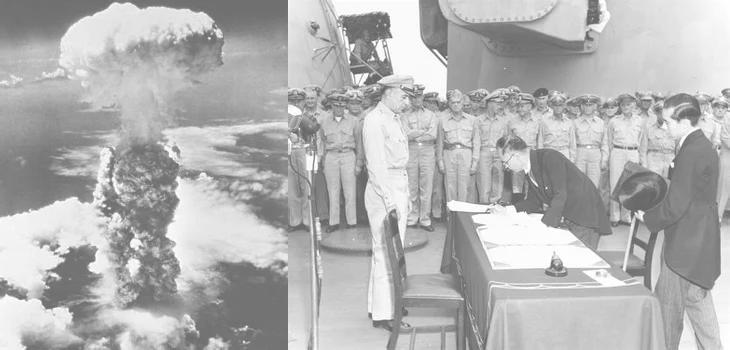
1945年8月15日、日本は、昭和天皇による終戦の詔書、いわゆる玉音放送によって戦闘停止を宣言した。この放送は、日本国民および軍隊に対し、武装解除と戦闘停止を命じる国家意思として受け止められた。占領統治を担当したダグラス・マッカーサーは、後に回想録の中で、天皇制の存続が日本社会の安定と占領政策の成功に不可欠であったと述べている。すなわち、日本の戦後処理は形式的には無条件降伏であったものの、実際には天皇制という国家統合装置を温存した「条件付き体制転換」であったと理解されている。これに対し、イランの国家構造は大きく異なる。1979年のイラン革命によって成立したイラン・イスラム共和国は、シーア派イスラム法学者の統治理念に基づく神権政治体制である。この体制の頂点に立つのが最高指導者であり、現在は、Ali Khamenei(アリー・ハメネイ)→Mojtaba Khamenei(モジュタバ・ハメネイ)がその地位にある。しかし、この統治構造は単一の権威によって完全に統制されているわけではない。国家権力は
・革命防衛隊(IRGC)
・正規軍
・宗教指導者ネットワーク
・民兵組織(バスィージ)
といった複数の武装組織によって分散的に支えられている。このような複合的権力構造においては、日本のように単一の国家権威が軍事組織全体に対して武装解除を命じ、それが直ちに実行されるという政治条件は成立しにくい。
さらに重要なのは、イラン国家が多民族国家であるという点である。イラン国内には、ペルシャ人に加えてアゼリー人、クルド人、アラブ人など複数の民族集団が存在しており、政治体制の崩壊は国家の分裂や内戦に発展する可能性を含んでいる。この構造は、日本のような単一民族国家とは根本的に異なる政治的条件を形成している。
この問題を国際政治理論の枠組みから整理すると、米国の対イラン戦略は二つの異なる理論的視点の間に位置していると考えられる。一つはリアリズム(現実主義)であり、もう一つは構成主義である。リアリズムの立場から見れば、国家の最優先目標は安全保障であり、イランの核兵器開発を阻止することは米国の合理的戦略目標と解釈できる。この観点では、軍事圧力や経済制裁を通じてイランに核開発放棄を強制することは、国際安全保障の均衡を維持するための典型的な勢力政治の行動である。
一方、構成主義の視点では、国家行動は物質的利益だけでなく、歴史認識や政治的アイデンティティによって形成される。米国政治において「無条件降伏」という概念がしばしば言及される背景には、第二次世界大戦における歴史的成功体験が存在する。すなわち、日本とドイツの敗戦処理が戦後秩序構築の成功例として記憶されていることが、現代の政策言説にも影響を与えている可能性がある。しかし、この歴史モデルを中東地域に適用することには大きなリスクが伴う。実際、2003年のイラク戦争
では、政権崩壊後に国家統治構造が崩壊し、長期的な内戦とテロ組織の拡大を引き起こした。この経験は、体制転換が必ずしも政治的安定をもたらすわけではないことを示している。
さらに現在、米国トランプ大統領の対イラン言説には、もう一つの要素が存在する。それはイラン国民に対し、国民自身による体制転換を促す発言である。この政策メッセージは、国家主権の観点から見れば内政干渉と解釈される可能性を持つと同時に、戦争終結条件を曖昧にする効果を持つ。すなわち、米国の政策は
第一に、核開発阻止という安全保障目標
第二に、体制転換は望まないという公式立場
第三に、国民による体制転換の期待
という三つの異なる政策目的を同時に含んでいる。この三つの目的は必ずしも戦略的に整合しておらず、結果として戦争終結条件の不明確性を生み出している。
以上の点を踏まえると、イラン戦争の終結条件を検討するためには、単に軍事力の比較ではなく、国家統治構造、宗教権威、民族構造、政治文化といった複合的要因を分析する必要がある。本稿では、日本との終戦構造とイランの国家構造を比較することで、「無条件降伏」という概念が現代中東においてどの程度適用可能であるのかを検討し、戦争終結条件の現実的枠組みを考察する。
第1章 無条件降伏と条件降伏
―戦争終結理論からの検討―
戦争終結の研究において、「無条件降伏(Unconditional Surrender)」は極めて特殊な戦争終結形態である。一般に戦争は、交渉による停戦、限定的譲歩、または勢力均衡の変化によって終結することが多い。完全な無条件降伏が実現した事例は歴史上それほど多くなく、代表例として挙げられるのは第二次世界大戦におけるドイツと日本である。
この概念を国際政治に導入したのは、フランクリン・ルーズベルトであり、1943年のカサブランカ会談において、連合国の戦争終結原則として提示された。ルーズベルトの意図は、枢軸国に対して連合国(ヤルタポツダム体制)による政治体制の完全な転換を強制することにあった。
すなわち、無条件降伏とは単なる軍事的敗北ではなく、戦後秩序を勝者が再構築するための政治戦略であった。しかし実際の戦後処理を詳細に検討すると、日本の敗戦は完全な無条件降伏ではなかった。1945年のポツダム宣言の受諾後、日本は連合国による占領を受け入れたが、国家の基本構造は完全には解体されなかった。
特に重要なのは、天皇制の存続である。占領政策を指揮したダグラス・マッカーサーは、日本社会の安定を維持するため、天皇を象徴として存続させることを決定した。この判断は、日本の統治機構を維持しながら、米国による統治体制に転換させる占領政策の基盤となった。
この事例は、戦争終結研究において重要な示唆を与える。すなわち、戦争の終結は単純な軍事的勝敗だけでは決まらず、敗戦国の政治構造や社会統合の仕組みによって大きく左右されるのである。
この観点から見ると、イラン戦争において米国が提示する「無条件降伏」という概念は、歴史的条件が大きく異なる状況に適用されている可能性がある。したがって、イラン戦争の終結条件を検討する際には、日本やドイツモデルをそのまま適用するのではなく、国家構造の違いを考慮する必要がある。
第2章 日本とイランにおける民族構造と国家統合
国家の戦争遂行能力および戦争終結の形態は、その国家の民族構造と社会統合の度合いによって大きく左右される。日本とイランの国家構造を比較すると、この点において決定的な差異が存在する。
日本は歴史的に、比較的高い民族的同質性を持つ国家である。近代国家形成の過程において、日本社会は言語、文化、宗教的背景において高い統一性を維持してきた。この社会構造は、権力支配とは異なる権威を重んじる独自の政治文化を形成した。
これに対し、イランは典型的な多民族国家である。イラン国内には、ペルシャ人のほか、アゼリー人、クルド人、アラブ人、バルーチ人など複数の民族集団が存在している。この民族構成は、国家統治の安定性に大きな影響を与えている。
多民族国家において中央政権が崩壊した場合、国家全体が統一された政治主体として行動することは困難になる。実際、イラク戦争では、政権崩壊後に国家統合が崩れ、宗派間対立と地域分裂が深刻化した。
この経験は、国家統治構造の崩壊が必ずしも民主化や安定をもたらすわけではないことを示している。イランの場合、中央政権の崩壊は、国内の民族勢力間の対立を激化させる可能性がある。したがって、日本のように国家全体が統一された政治意思を形成し、戦争終結を受け入れるという状況は、イランでは成立しにくいと考えられる。
第3章 権威と権力の統治システム
政治学において、国家統治は「権威」と「権力」の関係によって説明されることが多い。日本の政治構造を分析した丸山眞男は、日本政治を「権威と権力の二重構造」として説明した。この構造において、天皇は国家の象徴的権威として存在し、実際の政治権力は政府や軍部が担っていた。この二重構造は、戦争終結の際に重要な役割を果たした。天皇が終戦を決断したことで、日本社会全体が戦争終結を受け入れる政治的条件が形成されたのである。一方、イランの政治体制は1979年のイラン革命
によって成立した神権政治体制である。最高権威は宗教指導者である。Ali Khamenei(アリー・ハメネイ)→Mojtaba Khamenei(モジュタバ・ハメネイ)が握っているが、国家権力は複数の機関に分散している。
特に重要なのは、革命防衛隊(IRGC)の存在である。この組織は単なる軍事組織ではなく、政治・経済・軍事のすべてに影響力を持つ国家内国家とも呼ばれる存在である。このような分散的権力構造においては、単一の政治決定によって軍事組織全体が武装解除を受け入れるという状況は成立しにくい。したがって、日本との戦争終結モデルをイランに適用することには構造的限界が存在する。
第4章 中東宗教政治と日本の神道文化
宗教は国家統治の正統性を支える重要な要素である。日本とイランの政治文化の差異は、宗教と国家の関係において最も顕著に表れる。
日本の文化の中心である神道は、教義体系や厳格な宗教法を持たない。神道はむしろ文化的儀礼として社会に存在しており、政治権力との関係や他宗教とも柔軟である。
これに対し、現在のイランの国家体制はイスラム法学に基づく宗教国家である。1979年の革命を指導したルーホッラー・ホメイニは、「法学者による統治(ヴェラーヤテ・ファキーフ)」という理論を提唱し、宗教指導者による国家統治を正当化した。
この政治思想においては、宗教指導者の権威は単なる政治権力だけではなく、宗教的正統性を伴う。このため、政治体制の崩壊は宗教秩序の崩壊を意味する可能性がある。したがって、イランにおいては、政権崩壊が日本のように比較的平和的な政治転換として進行するとは限らない。つまり、宗教指導体制の権威と権力が同等であるからである。
第5章 天皇制と国家統合
日本国は天皇制を中心に形成された。明治以降、天皇は国家統合の権威の象徴として位置付けられ、日本社会における政治的正統性の源泉となった。
第二次世界大戦の敗戦において、天皇の存在は国家秩序の維持に決定的な役割を果たした。終戦の詔書によって、軍隊と国民は戦闘停止を受け入れたのである。
戦後、連合国=米国は、統治戦略による憲法改正を行ったが、天皇制そのものは廃止されなかった。この判断は、統治治安と日本社会の安定を維持する上で重要な意味を持った。
イランには、日本の天皇制のように国家全体を統合する象徴的権威は存在しない。宗教指導者の権威と権力は強いが、それは宗教的正統性に依存しており、民族的統合装置とは異なる。この差異が戦争終結の形態に大きな影響を与えると考えられる。
第6章 戦勝国の歴史観は戦略を見誤る
国際政治において、過去の成功体験は政策形成に大きな影響を与える。しかし、自己都合による歴史的成功モデルを異なる地域に適用することは、しばしば戦略的誤認を生む。
米国の外交政策において、日本とドイツの戦後処理は成功例として認識されている。この経験は、統治側の憲法改正による体制転換を通じ、米国戦略の統治都合による民主化という政策モデルを形成した。
しかし、このモデルは中東地域では必ずしも成功していない。2003年のイラク戦争はその典型例であり、政権崩壊後の国家統治の空白が長期的な不安定化を招いた。
この経験は、戦争終結の形態が国家の歴史・宗教・民族構造によって大きく左右されることを示している。
したがって、イラン戦争において「無条件降伏」という概念を適用する場合、日本との戦争終結モデルをそのまま適用することは適切ではない。戦争終結の現実的条件を検討するためには、国家構造と政治文化の違いを十分に考慮する必要がある。
第7章 戦争大義の矛盾とペルシャ湾危機
―国際正統性とエネルギー安全保障の視点―
現代の戦争において、軍事力だけで戦争が遂行されることはほとんどない。特に大国が関与する戦争においては、国際社会に対する「戦争大義(Legitimacy)」の確立が不可欠である。戦争の正統性が国際的に認められない場合、同盟国の支持を得ることは困難となり、長期的な軍事作戦の継続は著しく制約される。
米国の対イラン政策をめぐる言説において、ドナルド・トランプ大統領は、イランに対する無条件降伏を求める一方で、国際機関を介さない強硬な発言を繰り返している。とりわけ、国際連合の枠組みを重視しない姿勢は、多国間外交を重視する欧州諸国や中立国から慎重な反応を招いている。
国際政治において戦争の正当性は、しばしば国連安保理決議や多国間合意によって補強される。1991年の湾岸戦争では、国連安保理決議を基盤として多国籍軍が編成され、国際社会の広範な支持を得ることに成功した。この戦争は、戦争大義と国際正統性が一致した典型的事例とされている。
しかし、現在の対イラン戦略は、戦争目的と戦争大義の間に一定の矛盾を含んでいる。米国はイランの核開発阻止を戦争の主要目的として掲げているが、同時に体制転換を示唆する発言も行っている。この政策的曖昧さは、国際社会における戦争目的の理解を困難にしている。さらに問題となるのは、戦争大義が国際的支持を十分に得られない場合、軍事作戦の継続に必要な同盟支援を確保することが難しくなる点である。現代戦争では兵站、海上輸送、経済制裁、金融システムなど、多くの要素が国際協力に依存している。そのため、戦争の正統性が疑問視される場合、各国は軍事支援を控える傾向が強くなる。
しかし一方で、イラン情勢は別の側面から国際社会に影響を与えている。それがエネルギー安全保障である。イランはペルシャ湾に面しており、この海域は世界の石油輸送において極めて重要な戦略的要衝である。特にホルムズ海峡は、世界の原油輸送の約20%が通過するとされる海上交通路である。
もしイランが軍事的圧力への対抗措置としてペルシャ湾の海上交通を封鎖した場合、世界のエネルギー市場に深刻な影響が及ぶ可能性がある。日本、インド、中国、韓国などのアジア諸国は、石油輸入の多くを中東地域に依存しており、海上輸送の安全は経済安全保障に直結している。
この状況は、米国にとって戦略的ジレンマを生み出している。すなわち、対イラン戦争の戦争大義は必ずしも国際社会の広範な支持を得ていないものの、ペルシャ湾の海上交通が脅かされる場合、各国はエネルギー安全保障の観点から危機対応に関与せざるを得なくなる。
このため、米国は現在、イラン問題を単なる軍事衝突ではなく「ペルシャ湾危機」として位置づけ、海上輸送の安全確保を名目とした国際協力を呼びかけている。この戦略は、戦争大義の不足をエネルギー安全保障という共通利益によって補完しようとする試みと解釈できる。
しかし、このアプローチにも矛盾が存在する。もし戦争の本来の目的が核開発阻止であるならば、海上交通の安全保障問題は副次的な要因に過ぎないはずである。ところが実際には、石油輸送の安全確保が国際協力を呼びかける主要な理由として提示されている。この構図は、戦争の本来目的と国際協力の論理が必ずしも一致していないことを示している。結果として、対イラン戦争は
1 核開発阻止という安全保障目的
2 体制転換をめぐる政治的言説
3 ペルシャ湾海上交通の安全確保
という三つの異なる戦略目的を同時に抱えることとなった。このような多層的戦略構造は、戦争終結条件をさらに複雑化させる要因となる。
戦争終結理論の観点から見ると、戦争目的が複数存在する場合、交渉による終戦は難しくなる傾向がある。なぜなら、交渉によって何を達成すれば戦争が終わるのかという基準が曖昧になるためである。
したがって、戦争大義の矛盾とエネルギー安全保障の問題は、単に外交問題にとどまらず、戦争終結の政治条件そのものに影響を与える要因となる。イラン戦争の終結を考える上では、軍事力の均衡だけでなく、国際正統性、エネルギー安全保障、同盟関係といった多層的要素を総合的に分析する必要がある。
第8章 イラン戦争終結の三つのシナリオ
―外交終結・体制維持・地域戦争拡大―
戦争終結の形態は、軍事力の優劣のみで決定されるものではなく、政治的意思、国際環境、国内統治構造など複数の要因によって決まる。特に現代戦争では、軍事衝突と外交交渉が同時に進行する複合的な戦争形態が一般的である。
本章では、イラン戦争の終結可能性について、現実的に考えられる三つのシナリオを提示する。すなわち、
- 外交交渉による戦争終結
- 体制維持型終結
- 地域戦争への拡大 である。
8-1 外交交渉による戦争終結
第一のシナリオは、外交交渉による戦争終結である。この場合、米国とイランは直接あるいは第三国仲介による交渉を通じて停戦条件を合意することになる。
過去にもイランと米国の間では、核開発問題をめぐる外交合意が成立している。2015年にはイラン核合意が締結され、イランは核開発活動の制限を受け入れる代わりに国際経済制裁の解除が行われた。この合意は後に米国が離脱したことで機能不全となったが、外交交渉による問題解決の前例として重要である。外交終結シナリオでは、以下の条件が交渉の中心になる可能性が高い。
・イランの核開発制限
・国際査察の受け入れ
・経済制裁の段階的解除
・ペルシャ湾の海上交通の安全確保
このシナリオは、軍事衝突の拡大を防ぐ最も現実的な終結形態と考えられる。しかしながら、国内政治の圧力や相互不信が強い場合、交渉成立は容易ではない。
8-2 体制維持型終結
第二のシナリオは、イラン体制が維持されたまま戦争が終結するケースである。これは歴史的には多くの戦争で見られる終結形態であり、必ずしも敗戦国の体制崩壊を伴うものではない。現在のイランの政治体制は1979年のイラン革命によって成立した神権政治体制であり、現在は最高指導者Ali Khamenei(アリー・ハメネイ)→Mojtaba Khamenei(モジュタバ・ハメネイ)を中心とする統治構造が維持されている。この体制は宗教的正統性によって支えられており、単純な軍事攻撃によって崩壊する可能性は必ずしも高くない。また、革命防衛隊(IRGC)などの強力な軍事組織が体制維持を支えている。体制維持型終結では、次のような形態が想定される。
・限定的軍事衝突の後の停戦
・核開発の凍結
・経済制裁の部分解除
・地域勢力均衡の維持
このシナリオは、イランの国家統治構造を考えると比較的現実的な終結形態の一つである。米国が掲げる「無条件降伏」という概念とは異なり、事実上の政治的妥協による終戦となる可能性が高いと考えられる。
8-3 地域戦争への拡大
第三のシナリオは、戦争が地域紛争へ拡大するケースである。この場合、イラン単独の戦争ではなく、中東地域全体を巻き込む広域紛争へ発展する可能性がある。
中東地域には複数の非国家武装勢力や同盟勢力が存在しており、イランは地域ネットワークを形成している。特に重要な組織としては
・レバノンのヒズボラ
・イエメンフーシ派
などが挙げられる。これらの勢力が戦争に直接関与した場合、紛争はイスラエル、湾岸諸国、さらには紅海・地中海を含む広域戦争へ拡大する可能性がある。また、ペルシャ湾の海上交通が遮断された場合、ホルムズ海峡を通過する石油輸送が停止し、世界経済に重大な影響を及ぼすことになる。この場合、戦争は単なる地域紛争ではなく、世界経済に影響を及ぼすエネルギー危機へと発展する可能性がある。
8-4 小結
以上の分析から、イラン戦争の終結には三つの主要シナリオが存在する。
第一に、外交交渉による停戦であり、これは最も安定的な終結形態である。
第二に、イラン体制が維持されたままの停戦であり、政治的妥協による終結となる可能性が高い。
第三に、地域戦争への拡大であり、この場合は戦争終結まで長期化する可能性がある。
したがって、イラン戦争の将来は、軍事力の優劣だけではなく、外交交渉、地域勢力、国際経済構造など複合的要因によって決定されると考えられる。
第9章 結論:イラン戦争と世界秩序の再編
―戦争終結と国際政治構造の変化―
本稿では、米国が示唆する「無条件降伏」という戦争終結概念を、日本の戦争終結モデルと比較しながら検証し、イラン戦争の終結条件および国際政治への影響について考察した。以下に主要な論点を整理する。
1. 米国の対イラン戦略における目的の矛盾
米国の対イラン政策には、戦争目的の矛盾が存在する。トランプ大統領は体制転換を望まないとしながらも、イランに対して無条件降伏を要求。また、イラン国民に体制変革を促す発言も行っており、政策目標は以下の三点が同時に存在する。
- 核開発阻止
- 体制転換否定
- 国民による体制変革期待
この多層的目標は、戦争終結条件を曖昧にし、外交交渉を困難にする要因となる。
2. 日本型戦争終結モデルはイランに適用困難
日本の戦争終結は、昭和天皇の終戦詔書という象徴的権威によって実現した。民族的同質性の高い日本社会と天皇制という政治文化に支えられた特殊な歴史条件であった。一方、イランは多民族国家であり、宗教政治体制により統治されている。1979年以降、国家権力は宗教指導者、軍事組織、政治機関に分散しており、単一権威による武装解除命令は現実的ではない。
3. 現代戦争における国際正統性の重要性
現代戦争では軍事力だけでなく、国際的正統性の確保が不可欠である。米国の戦争大義の矛盾は国際社会の支持を得にくくしており、特に国連枠組みを軽視する姿勢は欧州諸国や中立国の支持を制約する可能性がある。同時に、イラン情勢は世界経済、特にペルシャ湾・ホルムズ海峡を通じた石油輸送に直結しており、単なる地域紛争ではなく国際的エネルギー安全保障問題でもある。
4. イラン戦争の終結シナリオ
三つの終結シナリオが考えられる。
- 外交交渉による停戦(最も安定的)
- 体制維持型終結(政治的不信が強い場合の現実的選択肢)
- 地域戦争への拡大(中東全体の安全保障環境を不安定化)
多層的戦略目的(核阻止、体制変革、海上交通安全確保)が存在するため、戦争終結条件はさらに複雑化している。
5. イラン戦争と世界秩序の再編
冷戦後の単極秩序は米国中心で維持されてきたが、多極化の進行により国際政治の力学は変化している。中東地域では複数の国家・非国家勢力が独自の安全保障戦略やエネルギー政策を持つため、イラン戦争は以下の複数要素に影響を与える可能性がある。
- エネルギー供給構造(ホルムズ海峡封鎖による影響)
- 国際金融市場への波及
- 大国間競争(米露中の戦略調整)
- 安全保障同盟関係
結果として、イラン戦争は世界秩序の再編を促す契機となり得る。
6. 日本外交の歴史的位置づけ
日本は戦後、平和主義と米国との安全保障同盟を基軸に外交を展開してきた。中東紛争においては軍事介入を行わず、主としてエネルギー輸入国としての立場を維持している。しかし現代においては、日本の外交役割も再評価が必要である。日本は、
- 米国との同盟関係
- エネルギー安全保障
- 核兵器問題に対する歴史的責任
- 中東諸国との経済関係
という複数の要素を踏まえた戦略的判断を求められる。特に、核開発問題に関連するイラン外交において、日本の立場は国際的に注目される。
総括
イラン戦争の帰結は、軍事力だけでなく外交交渉、地域勢力均衡、国際秩序の再編といった複合的要因によって決定される。戦争終結を理解するには、歴史的経験の単純適用ではなく、各地域の政治文化・国家構造を踏まえた比較分析が不可欠である。
おわりに:戦争終結と日本の外交的意義
1. 歴史的教訓:天皇による終戦決断
- 昭和天皇の終戦の詔書には「耐え難きを耐え、忍び難きを忍び…」という言葉があり、日本の戦争が列強の植民地支配からの解放という大義に基づいていたことが示される。
- 一方で都市への無差別爆撃や原子爆弾投下により、民間人を含む約310万人が犠牲となった。
- 天皇は国家の象徴として、国民にこれ以上苦難を与えないために苦渋の決断を下した。これは戦争終結における象徴的歴史決断の典型例である。
2. 現代のイラン戦争のリスク
- 現在の米・イラン衝突は軍事施設への攻撃に限定されているが、米国内で反戦デモが発生しており、将兵の犠牲が増えれば世論は反戦に傾く可能性がある。
- 地上戦への拡大は無辜の市民被害を避けられず、戦争仲介の現実的困難も大きい。中東利害関係は複雑で、外部の第三者が中立的仲介者になるのは容易ではない。
- 結局、戦争終結は地域の当事者自身の意思決定に依存する可能性が高い。
3. 日本の歴史的・戦後外交的立場
- 戦前:有色人種国家として欧米植民地支配に対抗
- 戦後:中東紛争に直接介入せず、石油輸入国として経済的パートナー関係を維持
- 米国との同盟国として安全保障構造に組み込まれ、湾岸戦争時には憲法第9条に基づき軍事行動を回避
4. 日本の外交的ジレンマ
- 核兵器を持たない日本は、戦争終結の仲介者となるのか、それとも米国側に立つのかが問われる。
- 中東諸国やイランも日本の外交姿勢を注視している可能性が高い。
- 日本の外交判断は、日米同盟だけでなく、中東経済関係、エネルギー安全保障、米中関係など世界政治の主要軸に影響を及ぼす。
5. 地政学的影響と国際政治秩序
- イラン戦争は単なる地域紛争にとどまらず、世界的な影響を持つ可能性がある。
- 影響領域:
- エネルギー供給構造(ペルシャ湾・ホルムズ海峡)
- 国際金融市場
- 大国間の戦略的競争(米中ロ)
- 同盟構造や地域勢力均衡
- 例えば:
- ロシア:米国軍事資源分散により戦略的利益
- 中国:中東原油依存度が高く、供給不安定化でロシア依存の可能性
- インド:同様のエネルギー安全保障リスク
6. 国際外交日程と日本の役割
- 高市早苗首相の訪米・トランプ大統領との会談は、単なる日米同盟確認にとどまらず、イラン情勢における日本の立場を示す重要な外交イベント。
- 会談結果によっては:
- 日本が米国側に明確に位置づけられる
- あるいは中東経済・エネルギー関係を考慮した仲介役を担う可能性も残される
- 日本の外交判断は、米中関係にも波及する可能性がある。
7. 総括
- 日本は、原爆経験国かつ核兵器を持たない主要同盟国として、イラン核問題における外交姿勢が今後の国際秩序における役割を象徴する。
- イラン戦争の帰結は、軍事衝突だけでなく、国際政治秩序、エネルギー安全保障、金融構造、同盟関係、地域勢力均衡など複数要因によって決定される。
- 日本を含む国際社会は、この戦争の歴史的・地政学的意味を慎重に見極める必要がある。
参考文献(引用出典)References (Citations)
- Arjomand, Said Amir. The Turban for the Crown: The Islamic Revolution in Iran. Oxford University Press.
- Bix, Herbert. Hirohito and the Making of Modern Japan. HarperCollins.
- Breen, John & Teeuwen, Mark. A New History of Shinto. Wiley-Blackwell.
- Buzan, Barry & Wæver, Ole. Regions and Powers: The Structure of International Security. Cambridge University Press.
- Dower, John. Embracing Defeat: Japan in the Wake of World War II. W.W. Norton.
- Keddie, Nikki R. Modern Iran: Roots and Results of Revolution. Yale University Press.
- MacArthur, Douglas. Reminiscences. McGraw-Hill.
- Marr, Phebe. The Modern History of Iraq. Westview Press.
- 丸山眞男『日本政治思想史研究』岩波書店
- U.S. Department of State. Foreign Relations of the United States: The Conferences at Casablanca and Tehran, 1943.
Unconditional Surrender Revisited:
War Termination Theory and the Geopolitics of a Potential Iran War in Comparison with Japan’s Defeat in World War II
Keywords
- Unconditional Surrender
- War Termination Theory
- Iran–United States Relations
- Comparative Geopolitics
- Nuclear Nonproliferation
- Political Legitimacy
- Strategic Culture
- Historical Misperception
Table of Contents
Executive Summary
Introduction – Reexamining the Concept of “Unconditional Surrender” and Theoretical Analysis of Iran War Termination Conditions
Chapter 1 – Unconditional Surrender vs. Conditional Surrender: A Study from the Perspective of War Termination Theory
Chapter 2 – Ethnic Structures and National Integration in Japan and Iran
Chapter 3 – Governance Systems of Authority and Power
Chapter 4 – Middle Eastern Religious Politics and Japan’s Shinto Culture
Chapter 5 – The Imperial System and National Integration
Chapter 6 – How Victors’ Historical Perspectives Can Misguide Strategy
Chapter 7 – Contradictions in the Justification for War and the Persian Gulf Crisis: Perspectives on International Legitimacy and Energy Security
Chapter 8 – Three Scenarios for Ending the Iran War: Diplomatic Settlement, Regime Preservation, and Regional War Expansion
Chapter 9 – Conclusion: The Iran War and the Reorganization of World Order – War Termination and Changes in the International Political Structure
Epilogue – War Termination and the Diplomatic Significance of Japan
References (Citations)
Executive Summary
This paper examines the concept of “unconditional surrender” as suggested in U.S. strategic discourse by comparing it with the model of Japan’s war termination, and analyzes the realistic feasibility of war termination conditions in a potential conflict with Iran. The main conclusions can be summarized in the following five points:
1. Contradictions exist in U.S. strategy toward Iran regarding war termination conditions
President Donald Trump has stated that he does not seek regime change in Iran, while also asserting that the war cannot end without unconditional surrender. At the same time, the United States has made statements encouraging the Iranian people to bring about regime change. As a result, U.S. strategy simultaneously contains three different policy objectives:
(1) Preventing nuclear development
(2) Rejecting regime change
(3) Expecting regime change driven by the population
This structure creates ambiguity regarding the conditions for war termination.
2. “Unconditional surrender” is a historical concept specific to World War II
The concept of unconditional surrender originates from the war termination principle articulated by Franklin D. Roosevelt at the Casablanca Conference in 1943. However, an examination of Japan’s postwar settlement reveals that, with the preservation of the imperial institution, it was not a fully unconditional surrender but rather a form of “conditional regime transformation.”
3. Japan and Iran differ fundamentally in their structures of national integration
Japan was characterized by a high degree of ethnic homogeneity and possessed the imperial institution as a symbol of national unity. In 1945, following the Imperial Rescript on the termination of the war issued by Emperor Hirohito, the Japanese military accepted disarmament as an expression of state authority.
In contrast, Iran is a multiethnic state, where the collapse of the central government could lead to fragmentation or civil war. This structural difference significantly affects the form of war termination.
4. Differences in religious-political structures increase the difficulty of regime change
Modern Iran is a theocratic state established by the Iranian Revolution, governed under the religious legitimacy of the Supreme Leader, currently Ali Khamenei. In addition, multiple armed organizations, including the Islamic Revolutionary Guard Corps, exist within the state. Therefore, unlike Japan, it is unlikely that a single authority could effectively issue and enforce a comprehensive disarmament order.
5. Misapplication of historical success models leads to strategic misperception
In U.S. foreign policy, the postwar democratization of Japan and Germany is often regarded as a successful model. However, applying this model to the Middle East ignores fundamental differences in state structure and religious-political systems. The Iraq War serves as a clear example that regime change can lead to state collapse. Therefore, ending a potential conflict with Iran requires a strategic framework distinct from the Japanese model of war termination and postwar governance.
Introduction
—Reconsidering the Concept of Unconditional Surrender and a Theoretical Analysis of War Termination Conditions in a Potential Iran Conflict—
In discussions surrounding U.S. policy toward Iran, President Donald Trump has stated that he does not seek “regime change,” while at the same time maintaining a hardline position that “there is no end to the war except through unconditional surrender.” These two statements contain a clear tension from the perspective of strategic objectives. In other words, a policy that rejects regime change while demanding unconditional surrender is difficult to regard as consistent within the framework of international political theory.
The concept of “unconditional surrender” originates from the Allied war termination strategy during World War II. At the Casablanca Conference in 1943, U.S. President Franklin D. Roosevelt declared that the Allies would accept nothing less than unconditional surrender from Germany, Japan, and Italy. This strategy aimed to simultaneously achieve the complete military neutralization of the Axis powers and regime transformation, while also enabling the victorious powers to reconstruct the postwar international order. However, applying this historical model directly to the contemporary Middle East presents several serious problems.
One of the most important issues is the difference in state structure. Japan during World War II possessed a highly homogeneous ethnic composition and an imperial institution that functioned as the central authority of national integration. This political-cultural characteristic played a decisive role in the process of war termination.
On August 15, 1945, Japan announced the cessation of hostilities through the Imperial Rescript on the Termination of the War, delivered by Emperor Hirohito, in what is known as the 『Gyokuon』 Broadcast. This announcement was received by both the Japanese population and the military as a definitive expression of state authority, ordering disarmament and the end of combat. Douglas MacArthur, who oversaw the occupation, later noted in his memoirs that the preservation of the imperial institution was essential for maintaining social stability and ensuring the success of the occupation. Thus, although Japan’s surrender was formally unconditional, it is more accurately understood as a “conditional regime transformation” that preserved the imperial institution as a mechanism of national integration.
In contrast, the state structure of Iran is fundamentally different. Established following the Iranian Revolution, the Islamic Republic of Iran is a theocratic system based on Shiite Islamic jurisprudence. The apex of this system is the Supreme Leader, currently Ali Khamenei, with figures such as Mojtaba Khamenei often discussed in the context of succession. However, this governance structure is not fully centralized under a single authority. State power is distributed across multiple armed and institutional actors, including:
- The Islamic Revolutionary Guard Corps (IRGC)
- The regular military
- Clerical leadership networks
- Paramilitary organizations such as the Basij
Within such a complex and fragmented power structure, it is difficult to envision a political condition in which a single authority could order total disarmament of all military forces and have that order immediately executed, as occurred in Japan.
Another critical factor is that Iran is a multiethnic state. In addition to Persians, the country includes Azeris, Kurds, Arabs, and other ethnic groups. The collapse of the political regime therefore carries the risk of state fragmentation or civil war. This structural condition differs fundamentally from that of Japan as a relatively homogeneous nation-state.
From the perspective of international relations theory, U.S. strategy toward Iran can be understood as situated between two major theoretical frameworks: realism and constructivism. From a realist perspective, the primary objective of a state is security. Preventing Iran from developing nuclear weapons can thus be interpreted as a rational strategic goal of the United States. Under this logic, the use of military pressure and economic sanctions to compel Iran to abandon its nuclear program represents a typical balance-of-power strategy aimed at maintaining international security.
By contrast, constructivism emphasizes that state behavior is shaped not only by material interests but also by historical memory and political identity. The frequent invocation of “unconditional surrender” in U.S. political discourse reflects the historical experience of World War II, in which the postwar reconstruction of Japan and Germany is remembered as a successful model. However, applying this historical model to the Middle East carries significant risks. The Iraq War demonstrated that regime collapse can lead not to stability, but to the breakdown of state institutions, prolonged civil conflict, and the expansion of extremist organizations.
Furthermore, recent rhetoric by President Trump includes an additional element: calls for the Iranian people themselves to bring about regime change. From the perspective of state sovereignty, such statements may be interpreted as interference in internal affairs, while also contributing to ambiguity regarding war termination conditions. In effect, U.S. policy appears to contain three simultaneous objectives:
- Preventing nuclear development (security objective)
- Officially rejecting regime change
- Encouraging internally driven regime change
These objectives are not necessarily strategically consistent and contribute to uncertainty regarding the conditions for ending a potential conflict.
In light of these considerations, analyzing the termination conditions of a potential Iran war requires more than a comparison of military capabilities. It necessitates a comprehensive examination of state governance structures, religious authority, ethnic composition, and political culture. This paper, by comparing Japan’s war termination structure with Iran’s state structure, seeks to evaluate the applicability of the concept of “unconditional surrender” in the contemporary Middle East and to explore a realistic framework for war termination.
Chapter 1
Unconditional and Conditional Surrender
— Examination from the Perspective of War Termination Theory —
In the study of war termination, the concept of “unconditional surrender” represents a highly exceptional form of ending a war. In most historical cases, wars conclude through negotiated ceasefires, limited concessions, or shifts in the balance of power between belligerents. Instances of complete unconditional surrender are relatively rare in modern history. The most prominent examples are the defeats of Germany and Japan in World War II.
The introduction of the concept of unconditional surrender into international politics is generally attributed to Franklin D. Roosevelt, who articulated it during the Casablanca Conference in 1943 as the official war termination principle of the Allied powers. Roosevelt’s intention was to compel the Axis powers to accept a complete political transformation under the authority of the Allied postwar order that would later be institutionalized through arrangements such as the Yalta and Potsdam frameworks.
In this sense, unconditional surrender was not merely a matter of military defeat but also a broader political strategy designed to enable the victorious powers to reconstruct the postwar international order.
However, a closer examination of the postwar settlement reveals that Japan’s defeat did not constitute a purely unconditional surrender in practice. After accepting the Potsdam Declaration in 1945, Japan came under Allied occupation. Nevertheless, the fundamental structure of the Japanese state was not entirely dismantled.
One particularly significant factor was the preservation of the imperial institution. The Allied occupation authorities, under the leadership of Douglas MacArthur, decided to retain the emperor as a symbolic figure to maintain stability within Japanese society. This decision formed a central component of the occupation policy, enabling the Allied powers to transform Japan’s political system while simultaneously preserving elements of its administrative and social continuity.
This historical case provides an important insight into the study of war termination. The conclusion of a war is not determined solely by military victory or defeat; rather, it is strongly influenced by the political structures and mechanisms of social integration within the defeated state.
From this perspective, the concept of “unconditional surrender” as currently suggested in discussions of a potential conflict involving Iran may be applied to a geopolitical context that differs fundamentally from that of mid-twentieth-century Japan and Germany. Consequently, when considering the potential termination conditions of an Iran war, it is necessary to consider differences in state structure, political legitimacy, and social cohesion rather than directly applying historical models derived from the European and East Asian experiences of World War II.
Chapter 2
Ethnic Structure and National Integration in Japan and Iran
A state’s capacity to wage war and the way wars are ultimately terminated are significantly influenced by its ethnic composition and the degree of social integration within the political community. When comparing the state structures of Japan and Iran, fundamental differences become apparent in this regard.
Historically, Japan has been characterized by a relatively high level of ethnic homogeneity. Throughout the process of modern state formation, Japanese society maintained a strong degree of unity in language, culture, and religious background. This social structure contributed to the development of a distinctive political culture that placed significant emphasis on symbolic authority, distinct from the direct exercise of political power.
By contrast, Iran represents a multiethnic state. Within the Iranian population, several ethnic groups coexist, including Persians, Azeris, Kurds, Arabs, and Baloch communities. This ethnic diversity has important implications for the stability and governance of the state.
In multiethnic states, the collapse of central authority can make it difficult for the country to function as a unified political actor. A clear example can be observed in the aftermath of the Iraq War. Following the fall of the Iraqi regime, national cohesion weakened significantly, leading to intensified sectarian conflict and regional fragmentation.
This experience demonstrates that the collapse of a governing regime does not necessarily produce democratization or political stability. In the case of Iran, the breakdown of central authority could potentially intensify conflicts among domestic ethnic and regional groups. As a result, the emergence of a unified national political decision—like the one through which Japan collectively accepted the termination of the war in 1945—would be far more difficult to achieve in Iran.
Chapter 3
Systems of Authority and Power in Governance
In political science, state governance is often explained through the relationship between “authority” and “power.” Masao Maruyama, who analyzed Japan’s political structure, described it as a “dual structure of authority and power.” Within this framework, the emperor existed as the symbolic authority of the state, while actual political power was exercised by the government and the military.
This dual structure played a crucial role in the termination of the war. When the emperor decided to end the war, it created the political conditions under which Japanese society accepted the cessation of hostilities.
In contrast, the political system of Iran is a theocratic system established by the Iranian Revolution. The highest authority resides in the religious leadership, currently held by Ali Khamenei, with Mojtaba Khamenei often discussed in relation to succession. However, state power in Iran is not fully centralized, but rather distributed across multiple institutions.
Of particular importance is the Islamic Revolutionary Guard Corps (IRGC). This organization is not merely a military force; it is often described as a “state within a state,” exerting influence over political, economic, and military domains.
Within such a decentralized power structure, it is difficult to envisage a situation in which a single political decision could compel all military organizations to accept disarmament. Therefore, there are inherent structural limitations in applying Japan’s war termination model to Iran.
Chapter 4
Religious-Political Structures in the Middle East and Shinto Culture in Japan
Religion is a critical factor in legitimizing state governance. The differences in political culture between Japan and Iran are most evident in the relationship between religion and the state.
Shinto, which lies at the cultural core of Japan, does not possess a formal doctrinal system or rigid religious law. Rather, it exists in society as a set of cultural rituals and maintains a flexible relationship with political authority as well as with other religions.
In contrast, the contemporary Iranian state is a religious system based on Islamic jurisprudence. Ruhollah Khomeini, who led the 1979 revolution, advanced the theory of “Guardianship of the Islamic Jurist” (Velayat-e Faqih), thereby legitimizing governance by religious leaders.
Within this political framework, the authority of religious leaders is not limited to political power but is reinforced by religious legitimacy. As a result, the collapse of the political regime may also imply the disintegration of the religious order.
Therefore, in Iran, regime collapse cannot necessarily be expected to proceed as a relatively peaceful political transition, as was the case in Japan. This is because authority and power within the religious leadership are structurally unified.
Chapter 5
The Imperial System and National Integration
The modern Japanese state developed around the institution of the emperor. Since the Meiji period, the emperor has functioned as a symbolic authority of national unity, serving as a key source of political legitimacy within Japanese society.
During Japan’s defeat in World War II, the presence of the emperor played a decisive role in maintaining national order. Through the Imperial Rescript on the Termination of the War, issued by Hirohito, both the military and the general population accepted the cessation of hostilities.
Following the war, the Allied powers—particularly the United States—implemented constitutional reforms as part of their occupation strategy. However, the imperial institution itself was not abolished. This decision carried important implications for maintaining public order and social stability during the postwar transition.
Iran, in contrast, lacks a symbolic authority equivalent to the Japanese imperial institution that could integrate the nation. While the authority of religious leadership is powerful, it derives primarily from religious legitimacy rather than from a unifying national institution across ethnic groups.
This structural difference can affect how wars end and political transitions take place.
Chapter 6
How the Historical Narratives of Victorious Powers Can Lead to Strategic Misjudgment
In international politics, past experiences of success often exert a powerful influence on policy formation. However, applying historically successful models to fundamentally different regions can frequently lead to strategic misinterpretations.
In U.S. foreign policy discourse, the postwar reconstruction of Japan and Germany following World War II is widely regarded as a successful example of democratization after military defeat. This experience contributed to the development of a policy model in which constitutional transformation under external supervision was assumed to lead to democratic governance.
However, this model has not necessarily proven successful in the Middle East. A clear example is the Iraq War. After the collapse of the Iraqi regime, the absence of stable governing institutions created a political vacuum that contributed to prolonged instability.
This experience illustrates that the form of war termination and postwar reconstruction is strongly influenced by a country’s historical background, religious structure, and ethnic composition.
Therefore, when applying the concept of “unconditional surrender” to a potential conflict involving Iran, it would be inappropriate to directly apply the historical model derived from Japan’s experience. A realistic assessment of war termination conditions must carefully consider differences in state structure, political legitimacy, and political culture.
Chapter 7
Contradictions in War Justification and the Persian Gulf Crisis
—From the Perspectives of International Legitimacy and Energy Security—
In modern warfare, conflicts are rarely conducted by military force alone. Particularly in wars involving major powers, establishing “legitimacy” in the eyes of the international community is indispensable. If the justification for war is not internationally recognized, it becomes difficult to secure the support of allies, and the sustainability of long-term military operations is severely constrained.
In discourse surrounding U.S. policy toward Iran, President Donald Trump has called for unconditional surrender while repeatedly making hardline statements that do not rely on international institutions. In particular, his limited emphasis on frameworks such as the United Nations has prompted cautious reactions from European countries and neutral states that prioritize multilateral diplomacy.
In international politics, the legitimacy of war is often reinforced through United Nations Security Council resolutions and multilateral agreements. In the Gulf War, a multinational coalition was formed based on UN Security Council resolutions, successfully securing broad international support. This war is often regarded as a typical case in which war objectives and international legitimacy were aligned.
However, the current strategy toward Iran contains inherent contradictions between war objectives and war justification. While the United States identifies the prevention of Iran’s nuclear development as its primary objective, it has also made statements suggesting regime change. This policy ambiguity makes it difficult for the international community to clearly understand the purpose of the war.
A further problem arises when war legitimacy fails to gain sufficient international support: it becomes difficult to secure the allied assistance necessary for sustained military operations. Modern warfare depends heavily on international cooperation across logistics, maritime transportation, economic sanctions, and financial systems. Consequently, when the legitimacy of a war is questioned, states are more likely to refrain from providing military support.
At the same time, the situation surrounding Iran affects the international community from another critical perspective—energy security. Iran borders the Persian Gulf, a region that constitutes a vital strategic chokepoint for global oil transportation. In particular, the Strait of Hormuz is a maritime route through which approximately 20% of the world’s crude oil supply passes.
If Iran were to respond to military pressure by blocking maritime traffic in the Persian Gulf, it could have severe consequences for global energy markets. Asian countries such as Japan, India, China, and South Korea depend heavily on oil imports from the Middle East, making the security of maritime transport directly linked to their economic security.
This situation creates a strategic dilemma for the United States. While the justification for war against Iran does not necessarily enjoy broad international support, any threat to maritime traffic in the Persian Gulf would compel countries to engage in crisis response from the perspective of energy security.
As a result, the United States has increasingly framed the Iran issue not merely as a military confrontation but as a “Persian Gulf crisis,” calling for international cooperation under the pretext of ensuring maritime security. This strategy can be interpreted as an attempt to compensate for insufficient war legitimacy by appealing to the shared interest of energy security.
However, this approach also contains contradictions. If the primary objective of the war is to prevent nuclear development, then maritime security should be a secondary issue. In practice, however, the protection of oil transportation is presented as a central rationale for international cooperation. This indicates a misalignment between the fundamental purpose of the war and the logic used to mobilize international support.
As a result, the potential conflict with Iran encompasses three distinct strategic objectives:
- Preventing nuclear development (security objective)
- Political discourse surrounding regime change
- Ensuring the security of maritime transportation in the Persian Gulf
Such a multilayered strategic structure further complicates the conditions for war termination.
From the perspective of war termination theory, when multiple objectives exist simultaneously, negotiated settlements become more difficult. This is because the criteria for determining what constitutes the end of the war become ambiguous.
Therefore, the contradictions in war justification and the issue of energy security are not merely diplomatic concerns; they directly affect the political conditions for ending the war. In considering the termination of a potential Iran conflict, it is necessary to analyze not only the balance of military power but also a complex set of factors, including international legitimacy, energy security, and alliance dynamics.
Chapter 8
Three Scenarios for the Termination of an Iran War
— Diplomatic Settlement, Regime Continuity, or Regional Escalation
The manner in which wars end is not determined solely by the balance of military power. Rather, war termination is shaped by a combination of factors including political will, international conditions, and domestic governance structures. In contemporary conflicts, it is increasingly common for military confrontation and diplomatic negotiation to proceed simultaneously, creating complex forms of hybrid warfare and negotiation.
This chapter presents three realistic scenarios for the possible termination of a war involving Iran:
- Diplomatic settlement through negotiation
- War termination with regime continuity
- Escalation into a broader regional war
8-1 Diplomatic Settlement through Negotiation
The first scenario involves the termination of war through diplomatic negotiations. In such a case, the United States and Iran would reach a ceasefire agreement either through direct negotiations or via mediation by third-party states.
Historically, diplomatic agreements between Iran and the United States regarding nuclear development have occurred. In 2015, the Joint Comprehensive Plan of Action was concluded, under which Iran agreed to restrictions on its nuclear program in exchange for the lifting of international economic sanctions. Although the agreement later became dysfunctional after the withdrawal of the United States, it remains an important precedent demonstrating that diplomatic negotiation can serve as a mechanism for conflict resolution.
Under a diplomatic termination scenario, negotiations would likely focus on several key conditions:
- Restrictions on Iran’s nuclear development program
- Acceptance of international inspection regimes
- Gradual lifting of economic sanctions
- Security guarantees for maritime transportation in the Persian Gulf
Among the possible outcomes, this scenario represents the most stable and internationally supported form of war termination. However, strong domestic political pressures and deep mutual distrust between the parties could make successful negotiations difficult.
8-2 Regime Continuity Settlement
The second scenario involves the termination of war without the collapse of the Iranian political system. Historically, many wars have ended without regime change in the defeated state, and such outcomes are not uncommon in international politics.
The current Iranian political system was established following the Iranian Revolution and is structured as a theocratic system centered on the authority of the Supreme Leader. At present, political authority is held by Ali Khamenei, with significant influence also attributed to figures within the ruling clerical establishment, including Mojtaba Khamenei.
This political system derives legitimacy from religious authority and institutional structures associated with the Islamic Republic. It is supported by powerful military organizations such as the Islamic Revolutionary Guard Corps, which plays a central role in safeguarding the regime.
Under a regime-continuity settlement, the following outcomes are conceivable:
- A ceasefire following limited military confrontation
- Freezing or limiting nuclear development activities
- Partial relaxation of economic sanctions
- Maintenance of regional strategic balance
Considering the structure of Iran’s domestic governance system, this scenario may represent one of the more realistic pathways to war termination. Rather than the “unconditional surrender” concept sometimes invoked in political rhetoric, the war would likely end through practical political compromise.
8-3 Escalation into Regional War
The third scenario involves the escalation of conflict into a broader regional war. In such a case, the war would no longer remain confined to Iran but could expand into a multi-front conflict across the Middle East.
The Middle East contains numerous non-state armed groups and allied networks, and Iran maintains strategic relationships with several regional actors. Among the most significant are:
- Hezbollah in Lebanon
- Houthi movement in Yemen
If these forces were to become directly involved in a war with Iran, the conflict could expand to include actors such as Israel and the Gulf states, potentially spreading across broader maritime regions including the Red Sea and the eastern Mediterranean.
Furthermore, if maritime transportation in the Persian Gulf were disrupted—particularly at the Strait of Hormuz—global oil shipments could be severely affected. Because a substantial proportion of the world’s crude oil supply passes through this chokepoint, a disruption could trigger a major global energy crisis.
Under such circumstances, the conflict would evolve beyond a regional war and begin to exert systemic effects on the global economy.
8-4 Concluding Remarks
The analysis presented in this chapter suggests that three principal scenarios exist for the termination of a potential war involving Iran.
First, a diplomatic ceasefire achieved through negotiation represents the most stable and internationally acceptable outcome.
Second, a ceasefire that preserves the existing Iranian political system may occur through pragmatic political compromise rather than decisive military victory.
Third, escalation into a regional war could significantly prolong the conflict and expand its geopolitical and economic consequences.
Therefore, the future trajectory of a potential Iran war will not be determined solely by the balance of military power. Instead, it will be shaped by the complex interaction of diplomatic negotiations, regional alliances, domestic political structures, and the global economic system.
Chapter 9: Conclusion – The Iran War and the Restructuring of the World Order
– War Termination and Changes in International Political Structure –
This paper has examined the concept of “unconditional surrender” as suggested by the United States, comparing it with the Japanese model of war termination, and considered the conditions for ending the Iran War and its implications for international politics. The main points are summarized as follows:
1. Contradictions in the U.S. Strategy toward Iran
The U.S. policy toward Iran exhibits inherent contradictions in its war aims. While President Donald Trump states that regime change is not desired, he has demanded unconditional surrender from Iran. At the same time, he has made statements encouraging the Iranian population to pursue regime transformation. Consequently, U.S. policy contains three overlapping objectives:
- Preventing nuclear development
- Rejecting regime change
- Encouraging regime transformation by the populace
These layered objectives obscure the conditions for war termination and complicate diplomatic negotiations.
2. The Japanese Model of War Termination Is Difficult to Apply to Iran
Japan’s war termination was realized through the symbolic authority of Emperor Shōwa’s rescript, supported by the highly homogeneous society and the political culture of the imperial system—a unique historical condition.
In contrast, Iran is a multiethnic state governed by a religious-political system. Since 1979, state power has been dispersed among religious leaders, military organizations, and political institutions. Under this structure, a unilateral disarmament order by a single authority, as in Japan, is unrealistic.
3. The Importance of International Legitimacy in Modern Warfare
In contemporary conflicts, military force alone is insufficient; securing international legitimacy is crucial. The contradictions in the U.S. war rationale make it difficult to gain international support. Particularly, a diplomatic posture that disregards the United Nations may limit support from European and neutral states.
Moreover, the situation in Iran directly affects the global economy, especially oil transport through the Persian Gulf and the Strait of Hormuz, making the conflict not merely a regional dispute but also an international energy security issue.
4. War Termination Scenarios for the Iran Conflict
Three potential scenarios for ending the Iran War can be identified:
- Ceasefire through diplomatic negotiations – the most stable option.
- Regime-preservation termination – a realistic option if political distrust is high.
- Escalation into a regional war – destabilizing the security environment across the Middle East.
The presence of multi-layered strategic objectives—nuclear prevention, regime control, and maritime security—further complicates the conditions for war termination.
5. The Iran War and the Restructuring of the World Order
The post-Cold War unipolar order, centered on the U.S., has sustained international politics for decades, but multipolarization is altering the dynamics. In the Middle East, multiple state and non-state actors pursue independent security strategies and energy policies. Consequently, the Iran War could influence several international factors:
- Energy supply structure (e.g., impact of a Hormuz Strait blockade)
- Global financial markets
- Great power competition (strategic coordination among the U.S., Russia, and China)
- Security alliances
Thus, the Iran War could serve as a catalyst for restructuring the global order.
6. Japan’s Historical Diplomatic Position
Since the postwar period, Japan has pursued diplomacy based on pacifism and its security alliance with the U.S. In Middle Eastern conflicts, Japan has avoided military intervention, maintaining its role primarily as an energy-importing nation.
However, in the contemporary context, Japan’s diplomatic role requires reassessment. Strategic judgment must consider multiple factors:
- Alliance with the United States
- Energy security
- Historical responsibility concerning nuclear weapons
- Economic relations with Middle Eastern countries
Particularly in diplomacy related to Iran’s nuclear development, Japan’s position attracts international attention.
Conclusion
The outcome of the Iran War will be determined not only by military power but also by diplomatic negotiations, regional power balances, and the restructuring of the international order. Understanding war termination requires not a simplistic application of historical experience, but comparative analysis that accounts for the political culture and state structure of each region.
Conclusion: War Termination and Japan’s Diplomatic Significance
1. Historical Lessons: The Emperor’s Decision to End the War
- Emperor Shōwa’s rescript on Japan’s surrender included the words, “Endure what is unbearable, bear what is insufferable…”, reflecting that Japan’s war was framed as a just cause aimed at liberation from colonial domination by the major powers.
- At the same time, indiscriminate bombing of cities and the atomic bombings resulted in approximately 3.1 million casualties, including civilians.
- As the symbolic authority of the nation, the Emperor made a difficult decision to prevent further suffering of the populace. This represents a paradigmatic example of a symbolic historical decision in war termination.
2. Risks of the Contemporary Iran War
- The current U.S.–Iran conflict has been limited to attacks on military facilities, but anti-war demonstrations have already emerged within the U.S.; an increase in military casualties could shift public opinion toward opposition.
- Expansion into ground warfare would inevitably involve civilian casualties, and mediating the conflict faces significant practical challenges. The complex interests in the Middle East make it difficult for external third parties to act as neutral mediators.
- Ultimately, war termination is likely to depend primarily on the decisions of the regional actors themselves.
3. Japan’s Historical and Postwar Diplomatic Position
- Prewar: Positioned as a non-Western nation resisting European colonial domination.
- Postwar: Avoided direct intervention in Middle Eastern conflicts, maintaining economic partnerships primarily as an oil-importing country.
- As a U.S. ally, Japan is integrated into the security framework; during the Gulf War, it avoided military action under Article 9 of the Constitution.
4. Japan’s Diplomatic Dilemma
- As a non-nuclear state, Japan faces the question of whether to act as a mediator for war termination or align with the U.S. side.
- Middle Eastern countries and Iran are likely observing Japan’s diplomatic posture closely.
- Japan’s decisions affect not only the U.S.–Japan alliance but also Middle Eastern economic relations, energy security, and major axes of global politics, including U.S.–China relations.
5. Geopolitical Impacts and the International Political Order
- The Iran War may extend beyond a regional conflict to have global ramifications.
- Potential areas of impact include:
- Energy supply structure (Persian Gulf, Strait of Hormuz)
- Global financial markets
- Strategic competition among major powers (U.S., China, Russia)
- Alliances and regional power balances
- For example:
- Russia: Gains strategic advantage if U.S. military resources are diverted.
- China: High dependence on Middle Eastern oil; supply instability could force reliance on Russia.
- India: Faces similar energy security risks.
6. International Diplomatic Schedule and Japan’s Role
- Prime Minister Sanae Takaichi’s visit to the U.S. and meeting with President Donald Trump is not only a reaffirmation of the U.S.–Japan alliance but also a critical diplomatic event signaling Japan’s position on Iran-related issues.
- Depending on the outcome of the meeting:
- Japan may be clearly positioned alongside the U.S., or
- It may retain scope to act as a mediator, considering Middle Eastern economic and energy relations.
- Japan’s diplomatic decisions may also have ripple effects on U.S.–China relations.
7. Summary
- As the only country to have experienced atomic bombings and as a major non-nuclear ally, Japan’s diplomatic posture on the Iran nuclear issue may symbolize its role in the emerging international order.
- The outcome of the Iran War will be determined not only by military engagement but also by international political order, energy security, financial structures, alliances, and regional power balances.
- The international community, including Japan, must carefully assess the historical and geopolitical significance of this conflict.
References (Citations)
- Arjomand, Said Amir. The Turban for the Crown: The Islamic Revolution in Iran. Oxford University Press.
- Bix, Herbert. Hirohito and the Making of Modern Japan. HarperCollins.
- Breen, John & Teeuwen, Mark. A New History of Shinto. Wiley-Blackwell.
- Buzan, Barry & Wæver, Ole. Regions and Powers: The Structure of International Security. Cambridge University Press.
- Dower, John. Embracing Defeat: Japan in the Wake of World War II. W.W. Norton.
- Keddie, Nikki R. Modern Iran: Roots and Results of Revolution. Yale University Press.
- MacArthur, Douglas. Reminiscences. McGraw-Hill.
- Marr, Phebe. The Modern History of Iraq. Westview Press.
- Makoto Maruyama, Studies in the History of Japanese Political Thought, Iwanami Shoten, Tokyo.
- U.S. Department of State. Foreign Relations of the United States: The Conferences at Casablanca and Tehran, 1943.
・木下 顕伸(Akinobu Kinoshita)
中東アジア情報戦略研究所 所長
中東・アジア地域の政治・安全保障・情報戦略を専門とする独立系アナリスト。 30年以上の現地ネットワークと政府レベルの実務経験を基盤に、 2025年、中東アジア情報戦略研究所を設立。 著書『ISISと戦う』(愛育社、2016年)。
An independent analyst specializing in political affairs, security, and information strategy across the Middle East and Asia. Drawing on over 30 years of field networks and hands-on experience at the government level, he founded the Middle East Asia Information Strategy Institute in 2025. Author of ISIS to Tatakau (Aiikusha, 2016).