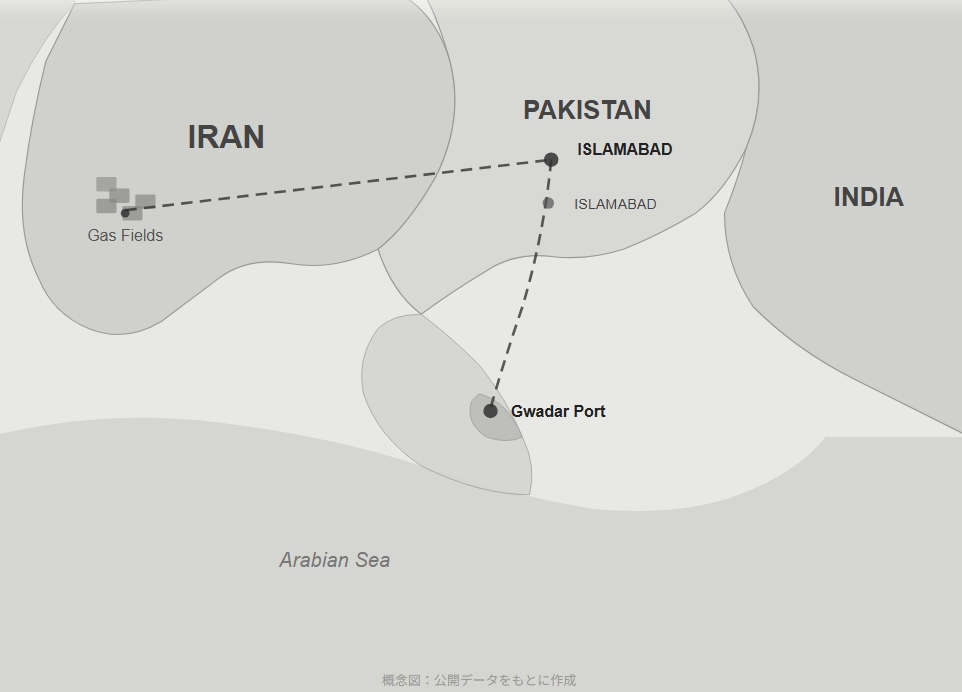
イラン戦争の本質的な構造は、「基軸通貨ドル体制の危機」にある。日本は円安と原油高により経済の悪化が如実に表れているが、イラン戦争の本質を観れば、「基軸通貨危機」の要因が解る。
イラン戦争と「基軸通貨ドルの構造的危機」 ― エネルギー・軍事・金融・通信の統合分析 ―
2026.4.3
発行:中東アジア情報戦略研究所(IMEAIS)
エグゼクティブサマリー
- 米国の戦争は ベトナム戦争 以降、明確な勝利を伴わず、「軍事成果→政治的勝利宣言」という構造に変質している
- 基軸通貨ドルは「石油・軍事・通信」による支配システムであり、単なる金融的信用では成立していない
- ロシア や イラン のような制裁耐性国家の出現により、ドルを介さない経済圏が現実化している
- 戦時におけるドル需要は市場原理ではなく、日本 など同盟国による構造的支援によって維持されている
- イラン戦争は、軍事衝突に加え、資源・通貨・通信を巡る複合戦争であり、ドル体制は歴史的転換点に入っている
キーポイント(政策判断軸)
- 戦争の勝敗定義の変化
相手が降伏しない限り戦勝とは言えず、現代戦は「勝利の演出」が本質となっている - ドル体制の脆弱性
ドルは「石油×軍事×通信」の統合構造に依存しており、いずれかが崩れれば基軸性は維持できない - 非ドル圏の拡大
BRICS や 一帯一路 により、スワップ・自国通貨・資源決済が拡大し、ドル回避が進行 - 同盟国依存という構造リスク
ドルの安定は市場ではなく同盟国(特に日本)に依存しており、政治関係の変化が即リスクとなる - 通信インフラ=通貨覇権
SWIFT、海底ケーブル、Starlink 等の支配が金融支配の前提となり、戦争は宇宙・通信領域へ拡張している
“The Structural Crisis of the U.S. Dollar as the Global Reserve Currency amid the Iran War”
― An Integrated Analysis of Energy, Military, Finance, and Communications ―
April 3, 2026
Issued by: Institute for Middle East and Asia Information Strategy (IMEAIS)
Author: Kenshin Kinoshita
Executive Summary
- Since the Vietnam War, U.S. warfare has failed to achieve decisive victories, evolving into a structure of “military outcomes followed by political declarations of victory.”
- The U.S. dollar as the global reserve currency is not sustained by financial credibility alone, but by an integrated system of oil, military power, and communications infrastructure.
- The emergence of sanction-resilient states such as Russia and Iran has enabled the formation of economic spheres that function independently of the dollar.
- Wartime demand for the dollar is not purely market-driven, but structurally supported by allied nations, particularly Japan.
- The Iran War represents not only a military conflict but a composite war over resources, currency, and communications, signaling a historic turning point for the dollar-based system.
Key Policy Points
- Redefinition of Victory in Modern Warfare
Victory can no longer be defined without the opponent’s surrender; modern wars are characterized by the “performance of victory” rather than decisive outcomes. - Structural Vulnerability of the Dollar System
The dollar depends on the integrated framework of oil × military × communications; failure in any one of these pillars undermines its reserve status. - Expansion of the Non-Dollar Bloc
Initiatives such as BRICS and Belt and Road Initiative are accelerating the use of currency swaps, local currencies, and resource-based settlements, reducing reliance on the dollar. - Alliance-Dependent Structural Risk
The stability of the dollar is not purely market-based but dependent on allied nations—particularly Japan—making it vulnerable to geopolitical shifts. - Communications Infrastructure as Currency Power
Control over systems such as SWIFT, submarine cables, and Starlink underpins financial dominance, expanding warfare into the domains of space and communications.
第1章:米国戦略の限界と「勝利の演出構造」
トランプ政権は就任当初、ウクライナ戦争の即時終結を標榜したが、現実には戦争は長期化している。これは、ベトナム戦争以降の米国戦略に共通する構造的問題を示している。すなわち、
- 軍事的優位を背景とした短期決着志向
- 政治的成果としての「勝利宣言の先行」
- しかし実態としては非対称戦争への不適応
である。過去の例として、IS指導者アブ・バクル・アル=バグダディの殺害後、米国は勝利を宣言したが、ISは壊滅していない。同様に、仮にイラン最高指導者である アリー・ハメネイ を排除したとしても、
- 革命防衛隊
- 宗教指導層
- 分散型軍事ネットワーク
により体制は維持されている。したがって、今回のイラン戦争も「軍事施設の一定破壊 → 一方的勝利宣言」という政治的演出に収束する可能性が高い。
Chapter 1: The Limits of U.S. Strategy and the “Structure of Manufactured Victory”
At the outset of his administration, Donald Trump pledged the immediate resolution of the Ukraine war. However, the conflict has become protracted. This reflects a structural problem common to U.S. strategy since the Vietnam War. Specifically:
- A preference for rapid conflict termination based on overwhelming military superiority
- The prioritization of a “declaration of victory” as a political outcome
- A fundamental inability to adapt to asymmetric warfare in practice
A relevant precedent can be seen in the killing of Abu Bakr al-Baghdadi, after which the United States declared victory; however, Islamic State was not eliminated.
Similarly, even if Iran’s Supreme Leader, Ali Khamenei, were removed:
- The Islamic Revolutionary Guard Corps
- Religious Leadership Establishment
- Decentralized military networks
would continue to sustain the regime.
Therefore, the current Iran war is highly likely to converge into a political performance characterized by “partial destruction of military facilities followed by a unilateral declaration of victory.”
第2章:米国の戦争構造 ― 勝利なき戦争
米国は第二次世界大戦後、圧倒的軍事力を有しながらも、明確な戦勝を重ねていない。
代表例:
- ベトナム戦争
- アフガニスタン戦争
- イラク戦争
- ウクライナ戦争
これらに共通するのは、相手が降伏していない以上、戦勝とは言えないという点である。たとえばアフガニスタンでは、
- 米軍は20年駐留
- 最終的に撤退
- タリバン政権復活
という結果に終わっている。同様に、
- イランにおいて指導者排除(例:アリー・ハメネイ)が仮に起きたとしても、
- 国家体制の崩壊には直結しない
したがって現代戦争は、軍事勝利ではなく「政治的勝利演出」へ変質している。
Chapter 2: The Structure of U.S. Warfare — Wars Without Victory
Since the end of World War II, the United States has possessed overwhelming military power yet has rarely achieved clear and decisive victories.
Representative examples include:
- The Vietnam War
- The War in Afghanistan
- The Iraq War
- The ongoing Russo-Ukrainian War
What these cases share is a fundamental principle: as long as the adversary has not surrendered, they cannot be defined as victories.
In Afghanistan, for example:
- U.S. forces maintained a presence for 20 years
- Ultimately withdrew from the country
- The Taliban returned to power
Similarly:
- Even if leadership decapitation were to occur in Iran (e.g., the removal of Ali Khamenei),
- It would not necessarily lead to the collapse of the state structure
Therefore, modern warfare has evolved away from achieving decisive military victory toward the “political staging of victory.”
第3章:ドル基軸体制の本質 ― 石油・軍事・決済の三位一体
ドルが基軸通貨である本質は単なる信用ではない。それは以下の三要素の結合体である。
① 石油(エネルギー)
- 国際原油取引は基本的にドル建て
- 産油国・消費国ともにドル保有が必須
② 決済(金融)
- SWIFTを中心としたドル決済網
- 通信(決済ネットワーク)
- 制裁=金融排除
③ 軍事(安全保障)
- 米軍によるシーレーン・油田の防衛
- 中東における軍事拠点の維持
この三要素が結合することで、ドル=支配システムが成立している。つまり、「ドル=石油資源 × 軍事力による裏付け」である。今回のイランによる攻撃対象が
- 米軍基地
- エネルギー関連施設
である点は極めて重要であり、ドルの裏付けそのものへの攻撃を意味する。また、トランプ氏の「イランの石油を手に入れる」という発言は、
- 戦費の回収
- 資源確保による覇権維持
を意図したものであり、ドル体制の維持戦略そのものといえる。
Chapter 3: The Essence of the Dollar-Based System — The Trinity of Oil, Military Power, and Settlement
The essence of the U.S. dollar as the global reserve currency is not based on financial credibility alone. Rather, it is a composite system built upon three integrated pillars:
1. Oil (Energy)
- International crude oil transactions are predominantly denominated in U.S. dollars
- Both producing and consuming countries are structurally required to hold dollar reserves
2. Settlement (Finance)
- A dollar-based settlement network centered on SWIFT
- Communications infrastructure underpinning financial transactions
- Sanctions function as a mechanism of financial exclusion
3. Military (Security)
- Protection of sea lanes and oil fields by U.S. forces
- Maintenance of military bases throughout the Middle East
The integration of these three elements forms the dollar as a system of dominance. In other words, the dollar is underpinned by oil resources multiplied by military power.
In this context, it is highly significant that recent Iranian targeting has focused on:
- U.S. military bases
- Energy-related infrastructure
Such actions represent not merely tactical strikes, but attacks on the very foundations underpinning the dollar system.
Furthermore, statements by Donald Trump regarding “taking Iran’s oil” can be interpreted as reflecting strategic intentions to:
- Recoup the costs of war
- Secure resources to sustain geopolitical dominance
Thus, these remarks align directly with the broader strategy of maintaining the dollar-based system itself.
第4章:ドル危機の本質と今後の展開
現在進行しているのは単なる戦争ではない。
構造変化
- ドル依存 → 多極通貨体制
- 軍事覇権 → 分散型安全保障
- 石油支配 → 資源ネットワーク化
ドル危機の本質:ドルの危機とは、「信用の低下」ではなく「支配構造(石油+軍事)の機能不全」である。
Chapter 4: The Essence of the Dollar Crisis and Future Trajectories
What is currently unfolding is not merely a conventional war.
Structural Shifts
- From dollar dependence → to a multipolar currency system
- From military hegemony → to decentralized security structures
- From oil dominance → to networked resource systems
The Essence of the Dollar Crisis
The crisis of the dollar should not be understood as a simple decline in confidence.
Rather, it represents a dysfunction in the underlying system of dominance, namely the integrated structure of:
- Oil (energy control)
- Military power (security enforcement)
In essence, the dollar crisis is a systemic failure of the mechanisms that sustain its global dominance, rather than a purely financial phenomenon.
第5章:制裁耐性国家と「非ドル経済圏」の形成
従来の理論では、「経済制裁=国家崩壊」とされてきた。しかし、現実は異なる。非ドル経済圏の形成=経済・金融制裁が効かない国家が出現している:
- ロシア
- イラン
ロシアとイランの共通点
- 長期制裁下でも国家維持
- エネルギー輸出継続
- 国内経済の再編
この理由は以下にある。
① スワップ取引:中央銀行間で通貨直接交換
- 通貨を介さない直接交換
- 例:中国との人民元・ルーブル決済
② ハワラ(非公式金融送金ネットワーク)
- 銀行を介さない信用送金システム
- 制裁回避が可能
③ 二重決済構造
- 表:公式貿易
- 裏:非公式資金移動
現物・自国通貨決済。これにより、
- BRICS
- 一帯一路
が結びつき、非ドル経済圏が現実化。この構造により、「ドルを使わなくても成立する貿易圏」が形成されている。さらに、中国の 一帯一路 は、
- インフラ投資
- 資源ルート確保
- 非ドル決済圏構築
を同時に進めており、BRICS による
- 共通通貨構想
- 金本位制回帰議論
へと接続している。今回のイラン戦争は、軍事衝突であると同時に「通貨覇権戦争」である。
Chapter 5: Sanction-Resilient States and the Emergence of a “Non-Dollar Economic Bloc”
Conventional theory has long assumed that economic sanctions lead to state collapse. However, reality demonstrates otherwise.
Formation of a Non-Dollar Economic Bloc
States have emerged for which economic and financial sanctions are no longer decisive:
- Russia
- Iran
Common Characteristics of Russia and Iran
- Sustained state stability under prolonged sanctions
- Continued energy exports
- Structural reorganization of domestic economies
Underlying Mechanisms
1. Currency Swap Arrangements
Direct currency exchange between central banks:
- Transactions conducted without intermediary currencies
- Example: settlements in yuan–ruble trade with China
2. Hawala (Informal Financial Transfer Network)
- A trust-based remittance system operating outside formal banking channels
- Enables circumvention of sanctions
3. Dual Settlement Structure
- Front layer: formal trade transactions
- Back layer: informal capital transfers
Combined with commodity-based and local currency settlements, these mechanisms enable the formation of a functioning trade system independent of the dollar.
As a result:
- BRICS
- Belt and Road Initiative
are increasingly interconnected, giving rise to a tangible non-dollar economic sphere. This structure has enabled the emergence of a trade system that can function without reliance on the U.S. dollar.
Furthermore, China’s Belt and Road Initiative is simultaneously advancing:
- Infrastructure investment
- Securing resource corridors
- Construction of non-dollar settlement networks
These developments are increasingly linked to broader initiatives within BRICS, including:
- Proposals for a common currency
- Discussions on a potential return to a gold-linked monetary framework
In this context, the current Iran war must be understood not only as a military confrontation, but also as a war over currency hegemony.
第6章:戦時ドル需要の実態と歪み
戦争時には通常「ドル買い」が発生するとされるが、その実態は以下である:
6-1誰が買っているのか?
- 日本
- 欧州同盟国
- ドル依存経済圏
特に日本は、
- 米国債保有
- 為替介入
- 決済依存
を通じて、ドルの構造的支え手となっている。
6-2本来の市場原理との矛盾
通常、
- 戦費増大
- 石油価格高騰
- 経済悪化
が重なれば通貨は下落する。しかし、米国は、
- 同盟国による支援
- 金融構造維持
により、本来下落すべき通貨が維持されている
Chapter 6: The Reality and Distortions of Wartime Dollar Demand
It is commonly assumed that wartime conditions trigger a “flight to the dollar.” However, the reality is more structurally complex:
6.1 Who Is Actually Buying Dollars?
- Japan
- European allies
- Dollar-dependent economic blocs
In particular, Japan functions as a structural supporter of the dollar through:
- Holdings of U.S. Treasury securities
- Foreign exchange intervention
- Dependence on dollar-based settlement systems
6.2 Contradictions with Market Principles
Under normal market conditions:
- Rising war expenditures
- Surging oil prices
- Economic deterioration
would collectively lead to currency depreciation.
However, in the case of the United States:
- Support from allied nations
- Maintenance of the existing financial architecture
have sustained the dollar’s value, even under conditions where it would otherwise be expected to decline.
This reveals a fundamental distortion: the value of the dollar during wartime is not determined purely by market forces but is instead structurally upheld by geopolitical and institutional support mechanisms.
第7章:米国の構造的弱点 ― 輸入国家と軍需依存
米国は以下の矛盾を抱えている。
① 輸入依存国家
- 貿易赤字構造
② 軍需産業依存
- 最大の輸出は兵器
- 戦争継続が経済活動の一部
ウクライナ戦争 において、
- 大量の兵器供与
- 在庫の急減
が発生しており、イラン戦争が加わることで
- 補給能力の限界
- 生産時間の遅延
が顕在化する。さらに、
- 中国によるレアアース供給制限
- サプライチェーンの分断
が加わることで、軍事力そのものの持続性が低下している。
Chapter 7: Structural Weaknesses of the United States — Import Dependence and Reliance on the Defense Industry
The United States faces a set of structural contradictions:
1. An Import-Dependent Economy
- A persistent trade deficit structure
2. Dependence on the Defense Industry
- Weapons constitute one of the country’s primary export sectors
- The continuation of warfare functions as an integral component of economic activity
In the context of the Russo-Ukrainian War:
- Large-scale transfers of military equipment have taken place
- Rapid depletion of stockpiles has occurred
With the addition of a potential Iran conflict:
- Limitations in resupply capacity
- Delays in production timelines
are becoming increasingly apparent.
Furthermore:
- Supply restrictions on rare earth elements by China
- Fragmentation of global supply chains
are compounding these pressures, leading to a decline in the sustainability of U.S. military power itself.
第8章:ベネズエラ問題と基軸通貨― 石油+金の複合資源
ベネズエラ は、
- 世界最大級の石油埋蔵量
- 大規模金鉱脈
を併せ持つ。米国の関与は、石油だけでなく金資源の管理という側面を持つ。しかし、
- 地理的条件(密林・山岳)
- 国内武装勢力
- 政治的分断
により、米軍による直接管理は現実的に困難である。これは、「金融・資源=支配できる」とは限らないことを示している。
Chapter 8: The Venezuela Issue and the Reserve Currency — The Dual Resource Structure of Oil and Gold
Venezuela possesses:
- One of the largest proven oil reserves in the world
- Extensive gold deposits
U.S. involvement, therefore, is not limited to oil, but also encompasses the strategic dimension of control over gold resources.
However:
- Geographical conditions (dense jungles and mountainous terrain)
- The presence of domestic armed groups
- Deep political fragmentation
make direct control by U.S. forces highly impractical.
This demonstrates a critical reality: financial and resource assets do not necessarily equate to controllable dominance.
第9章:通信インフラと金融支配
国際金融は通信に依存する。
中核システム
- SWIFT
脆弱性
- 海底ケーブル切断
- サイバー攻撃
これは、金融制裁を超えるインフラ制裁である。
衛星通信
- Starlink = イーロン・マスク
通信は、戦争遂行能力そのものとなっている。
Chapter 9: Communications Infrastructure and Financial Dominance
International finance is fundamentally dependent on communications infrastructure.
Core System
- SWIFT
Vulnerabilities
- Disruption or severing of submarine cables
- Cyberattacks
These represent a form of infrastructure-level sanctions that go beyond conventional financial sanctions.
Satellite Communications
- Starlink — led by Elon Musk
Communications capabilities have effectively become a core component of war-fighting capacity itself.
第10章:アナログ金融と金本位回帰
通信遮断・制裁環境下では:
- ハワラ
- 金決済
が再評価される。これは、近代金融から前近代金融への逆流を意味する。
Chapter 10: Analog Finance and the Reversion to Gold-Based Systems
Under conditions of communications disruption and financial sanctions:
- Hawala networks
- Gold-based settlement
are being reassessed and regain practical relevance.
This trend signifies a reversal from modern financial systems toward pre-modern financial mechanisms.
第11章:宇宙・通信・金融の統合戦争
戦争領域は拡張している:
- 軍事
- 資源
- 金融
- 通信
- 宇宙
結論として、基軸通貨は通信支配なしには維持できない。民間の衛星・ケーブルシステムが国家の管理に影響する。軍事戦略として、通信妨害や破壊だけでなく海底ケーブルの切断などが発生している。一般財団日本危機管理研究所でも取り上げている。
Chapter 11: Integrated Warfare Across Space, Communications, and Finance
The domains of warfare are expanding across multiple dimensions:
- Military
- Resources
- Finance
- Communications
- Space
In conclusion, a global reserve currency cannot be sustained without control over communications infrastructure. Increasingly, privately operated satellite and cable systems exert significant influence over state control.
From a military strategy perspective, operations now extend beyond conventional disruption to include:
- Communications interference and degradation
- Physical sabotage, including the severing of submarine cables
These developments have also been examined by organizations such as the Japan Institute of Crisis Management.
最終結論
イラン戦争で浮き彫りになったのは、基軸通貨戦争であることの証左でもある。
- 軍事衝突
- 資源争奪
- 通貨覇権戦争
- 通信支配戦争
の複合体である。ドル体制は、「石油 × 軍事 × 通信」によって支えられてきたが、現在その全てが揺らいでいる。その結果、ドル体制は歴史的転換点に入った
Conclusion
What the Iran war has brought into sharp focus is clear evidence that this is, at its core, a war over the global reserve currency system.
It represents a composite conflict consisting of:
- Military confrontation
- Competition over resources
- A struggle for currency hegemony
- A battle for control over communications infrastructure
The dollar-based system has historically been sustained by the integration of oil × military power × communications. However, all of these pillars are now under strain.
As a result, the dollar system has entered a historic turning point.
総括(政策判断ポイント)
- ドルは単なる通貨ではなく「軍事・資源支配システム」
- イラン戦争はその中核(石油×軍事)への攻撃
- スワップ取引の拡大はドル覇権の代替手段
- 中国・ロシアは制度的にドルを外す準備を完了
- 日本も円の国際的役割を再定義する局面にある
Overall Assessment (Key Policy Considerations)
- The dollar is not merely a currency, but a system of military and resource-based dominance.
- The Iran war constitutes a direct challenge to its core pillars (oil × military power).
- The expansion of currency swap arrangements represents a practical alternative to dollar hegemony.
- China and Russia have, at an institutional level, largely completed preparations to reduce reliance on the dollar.
- Japan is now entering a phase in which it must redefine the international role of the yen.
参考・出典
国際機関・公式資料
- IMF(国際通貨基金)外貨準備統計
- World Bank エネルギー統計
- BIS(国際決済銀行)通貨スワップ報告
米国政府・軍事
- U.S. Department of Defense Annual Reports
- Congressional Research Service(CRS)
エネルギー
- BP Statistical Review of World Energy
- IEA(国際エネルギー機関)
金融・決済
- SWIFT Annual Review
- 各国中央銀行報告書
地政学・安全保障
- 一般財団法人 日本危機管理研究所レポート
- NATO戦略文書
- RAND Corporation
参考文献
- Barry Eichengreen, Exorbitant Privilege
- Zoltan Pozsar(Credit Suisse)レポート
- Henry Kissinger, World Order
References and Sources
International Organizations and Official Data
- International Monetary Fund — Foreign Exchange Reserves Statistics
- World Bank — Energy Statistics
- Bank for International Settlements — Currency Swap Reports
U.S. Government and Military
- United States Department of Defense — Annual Reports
- Congressional Research Service — Research Publications
Energy
- BP — Statistical Review of World Energy
- International Energy Agency — Energy Reports
Finance and Settlement
- SWIFT — Annual Review
- Reports from national central banks
Geopolitics and Security
- Japan Institute of Crisis Management — Analytical Reports
- NATO — Strategic Documents
- RAND Corporation — Research Studies
Selected Bibliography
- Exorbitant Privilege
- Reports by Zoltan Pozsar
- World Order
・木下 顕伸(Akinobu Kinoshita)
中東アジア情報戦略研究所 所長
中東・アジア地域の政治・安全保障・情報戦略を専門とする独立系アナリスト。 30年以上の現地ネットワークと政府レベルの実務経験を基盤に、 2025年、中東アジア情報戦略研究所を設立。 著書『ISISと戦う』(愛育社、2016年)。
An independent analyst specializing in political affairs, security, and information strategy across the Middle East and Asia. Drawing on over 30 years of field networks and hands-on experience at the government level, he founded the Middle East Asia Information Strategy Institute in 2025. Author of ISIS to Tatakau (Aiikusha, 2016).