October 15, 2026
Institute of Middle East Asia Information Strategy
Author: Khedroob Thondup (Son of the late Gyalo Thondup, nephew of His Holiness the Dalai Lama, and a former member of the Tibetan Parliament-in-Exile.)
A Japanese translation of this article is also available here.
Keywords: Tibet / Gyalo Thondup / Dalai Lama / Chinese Communist Party / Seventeen-Point Agreement / 1959 Tibetan Uprising / One Country, Two Systems / Taiwan / Hong Kong / Authoritarianism
Executive Summary
• In 1952, Gyalo Thondup warned the Tibetan Government that Beijing was preparing to consolidate its control over Tibet and strip it of its autonomy, but officials laughed off his warning.
• The Seventeen-Point Agreement, which Tibet was forced to sign after the 1950 invasion, promised autonomy, but it masked Beijing’s true intentions.
• Four factors explain why Gyalo Thondup’s warning was dismissed: the Tibetan Government’s isolation from international politics at the time, faith in the agreement, cultural confidence, and underestimation of the CCP.
• As a result, Tibet lost the chance to prepare for resistance or international appeal, leading to the crushing of the 1959 uprising, the exile of His Holiness the Dalai Lama, cultural destruction, and political repression.
• The examples of Tibet, Hong Kong, and Xinjiang show that Beijing’s guarantees of autonomy have been consistently broken—a lesson for Taiwan, which is being offered “one country, two systems.”
• In conclusion, scrutinizing the promises of authoritarian regimes and maintaining vigilance and international solidarity are the way to preserve freedom.
History often turns on moments when warnings are dismissed. In 1952, Gyalo Thondup—brother of His Holiness the Dalai Lama—visited Tibet and returned with a stark message: China’s intentions were not benign. He warned the Tibetan Government that Beijing was preparing to consolidate its control and strip Tibet of its autonomy. Instead of heeding his words, officials laughed. Within a few years, Tibet’s independence was extinguished, its culture suppressed, and its people subjected to the iron grip of the Chinese Communist Party (CCP).
This episode is not merely a historical anecdote. It is a cautionary tale about the cost of ignoring foresight, the dangers of underestimating authoritarian ambition, and the enduring relevance of vigilance in the face of Beijing’s promises.
The Context of 1952
Gyalo Thondup’s visit came at a critical juncture. China’s invasion in 1950 had already forced Tibet into signing the Seventeen‑Point Agreement, which promised autonomy but masked Beijing’s true intentions.
Tibetan government officials still clung to the hope that China would honor its pledges.
Gyalo Thondup, having observed the CCP’s methods firsthand, understood that Tibet’s sovereignty was in grave danger. His warning was not speculation—it was grounded in the reality of CCP expansionism and the Party’s disdain for promises of autonomy.
The Warning
Gyalo Thondup told the Tibetan Government plainly: China’s military presence and political maneuvers were not temporary. Beijing intended to absorb Tibet fully, dismantle its institutions, and impose Communist rule. He foresaw:
• Military consolidation: PLA forces were entrenching themselves across Tibetan territory.
• Political subjugation: Tibetan officials were being sidelined, with decisions increasingly dictated from Beijing.
• Cultural erosion: Religious freedoms and Tibetan identity were already under threat.
Yet his words were met with laughter, disbelief, and dismissal. The Tibetan Government, steeped in tradition and insulated from the harsh realities of CCP politics, underestimated the scale of the threat.
Why the Warning Was Ignored
Several factors explain why Gyalo Thondup’s warning was dismissed:
• Isolation: Tibet had long been insulated from global politics, with limited exposure to modern statecraft.
• Faith in promises: The Seventeen‑Point Agreement was seen by some officials as a binding guarantee of autonomy.
• Cultural confidence: Tibetans believed their spiritual and cultural resilience would shield them from external domination.
• Underestimation of the CCP: Few understood the ruthlessness of Mao’s regime or its determination to assimilate Tibet.
This combination of isolation, misplaced trust, and cultural confidence led to complacency at the very moment vigilance was most needed.
The Consequences of Dismissal
By ignoring Gyalo Thondup’s warning, Tibet lost the chance to prepare for resistance or international appeal.
• 1959 Uprising: Tibetans rose in desperation, but the revolt was crushed, forcing the Dalai Lama into exile.
• Cultural destruction: Monasteries were demolished, religious practice curtailed, and Tibetan language marginalized.
• Political repression: Tibet became a tightly controlled region under CCP rule, with surveillance and suppression defining daily life.
The laughter of 1952 turned into the silence of occupation.
Lessons for Today
Gyalo Thondup’s warning is more than a historical anecdote—it is a lesson in the cost of ignoring foresight.
• Authoritarian promises: Beijing’s assurances of autonomy are consistently broken, as seen in Tibet, Hong Kong, and Xinjiang.
• The importance of vigilance: Small nations and vulnerable communities must take warnings seriously and prepare for coercion.
• International responsibility: The world must recognize that silence and dismissal enable authoritarian expansion.
Parallels With Taiwan
Taiwan today faces a similar dilemma. Beijing promises “one country, two systems,” but Tibet’s fate shows what those promises mean in practice: assimilation and repression. Taiwan’s democracy is incompatible with CCP authoritarianism. Tibet’s broken promises prove that autonomy under Beijing is an illusion. Hong Kong’s experience reinforces the lesson: promises of freedom are quickly revoked. Taiwan has learned from Tibet’s tragedy. It knows that surrendering sovereignty would mean the end of its democracy, culture, and freedom.
The Broader Implications
Gyalo Thondup’s ignored warning resonates beyond Tibet and Taiwan. It speaks to the broader challenge of confronting authoritarian regimes:
• Complacency is dangerous: Dismissing warnings invites catastrophe.
• Promises must be scrutinized: Authoritarian regimes often use agreements as tools of deception.
• International solidarity matters: Silence emboldens aggressors; vigilance deters them.
Conclusion
In 1952, Gyalo Thondup saw clearly what others refused to acknowledge: Tibet was on the brink of losing its freedom. His warning was laughed off, and Tibet paid the price. Today, his story stands as a reminder that authoritarian regimes rarely honor their promises, and that vigilance is the only safeguard against subjugation.
The world must remember Tibet’s ignored warning as it confronts Beijing’s ambitions elsewhere. To laugh off foresight is to invite tragedy; to heed it is to preserve freedom.
Author: Khedroob Thondup (Son of the late Kasur Gyalo Thondup, nephew of His Holiness the Dalai Lama, and a former member of the Tibetan Parliament-in-Exile.)

Khedroob Thondup was raised at the heart of the Tibetan exile community as a blood relative of His Holiness the Dalai Lama. He has served as a member of the Tibetan Parliament-in-Exile and has testified before international human rights forums and national parliaments around the world. He is one of the rare living witnesses to the Tibet issue — a unique individual who holds both the perspective of the Dalai Lama’s inner circle and that of a former political practitioner.
Gyalo Thondup(1928–2025; elder brother of His Holiness the Dalai Lama and father of the author)
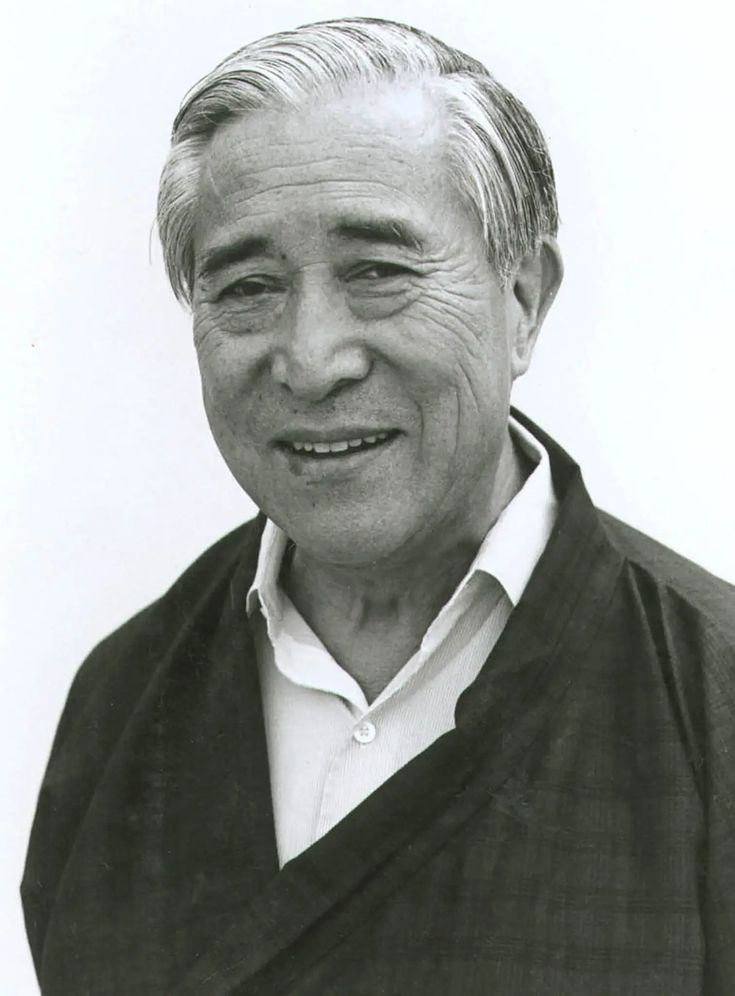
Born in 1928 in Taktser, Amdo (now Ping’an District, Qinghai Province, China), Gyalo Thondup was the elder brother of the 14th Dalai Lama. He went to Nanjing to study in 1942 and was based in India from 1952 onward. During the 1950s and 1960s, he was involved in the Tibetan resistance movement supported by the U.S. Central Intelligence Agency (CIA). In 1979, he met with Deng Xiaoping, and he later served as Chairman of the Cabinet of the Tibetan government-in-exile. In 2015, he published his memoir, The Noodle Maker of Kalimpong, co-authored with Anne F. Thurston. He died in Kalimpong, India, in February 2025, at the age of 97.
The views expressed in this article are solely those of the author and do not necessarily reflect the official position of the Institute of Middle East Asia Information Strategy.