2026.3.25
発行:中東アジア情報戦略研究所(IMEAIS)
「パキスタンの対イラン仲介行動の実像」
― 基軸通貨体制とエネルギー安全保障からの戦略分析
“The Reality of Pakistan’s Mediation Efforts Toward Iran”
— A Strategic Analysis from the Perspectives of the Key Currency System and Energy Security —
March 25, 2026
Published by: Middle East & Asia Intelligence Analysis Institute (IMEAIS)
Author: Kenshin Kinoshita
キーワード(政策要約)
- エネルギー安全保障
- ドル体制(基軸通貨)
- 制裁回避(非公式決済・ハワラ)
- バランシング外交
- 仲介国家
Keywords (Policy Summary)
- Energy Security
- Dollar System (Reserve Currency)
- Sanctions Evasion (Informal Settlement / Hawala)
- Balancing Diplomacy
- Mediator State
エグゼクティブサマリー
本レポートは、イランと米国・イスラエル間の緊張局面において、パキスタンが仲介の意思を示す背景を、宗教要因ではなく「エネルギー」と「基軸通貨体制(ドル)」の観点から分析したものである。結論として、パキスタンの仲介行動は外交的理想ではなく、以下の現実的要因によって規定される。
・イランへのエネルギー依存
・米国主導のドル体制への金融依存
・制裁環境下における非公式決済の活用
・中国を含む多極的経済圏との接続維持
すなわち、仲介行動は国家存続のためのバランス戦略である。
Executive Summary
This report analyzes the background behind Pakistan’s expressed willingness to mediate amid rising tensions between Iran and the United States and Israel, not from a religious perspective, but through the lenses of “energy” and the “reserve currency system (U.S. dollar).”
In conclusion, Pakistan’s mediation behavior is not driven by diplomatic idealism, but is instead shaped by the following practical factors:
- Dependence on energy imports from Iran
- Financial dependence on the U.S.-led dollar system
- Utilization of informal settlement mechanisms under sanctions environments
- The need to maintain connectivity with a multipolar economic sphere, including China
In essence, Pakistan’s mediation efforts constitute a balancing strategy for national survival.
1. 問題の所在
パキスタンは、対外関係において一見矛盾する行動を取る。
・イランとエネルギー取引を維持
・米国と安全保障関係を維持
・中国と経済連携を強化
このような多重構造の中で、なぜ同国が仲介役を担おうとするのかが本分析の核心である。
1. Problem Statement
Pakistan appears to pursue seemingly contradictory actions in its external relations:
- Maintaining energy transactions with Iran
- Preserving security ties with the United States
- Strengthening economic cooperation with China
The core question of this analysis is why, within such a multilayered structure, Pakistan seeks to assume the role of a mediator.
2. エネルギー安全保障:イラン依存の現実
イランは、パキスタンにとって地理的に最も近接したエネルギー供給源である。パキスタンは慢性的な電力不足と燃料供給不安を抱えており、以下の形でイランとの関係を維持している。
・国境地帯における電力供給
・石油製品の越境流通(非公式含む)
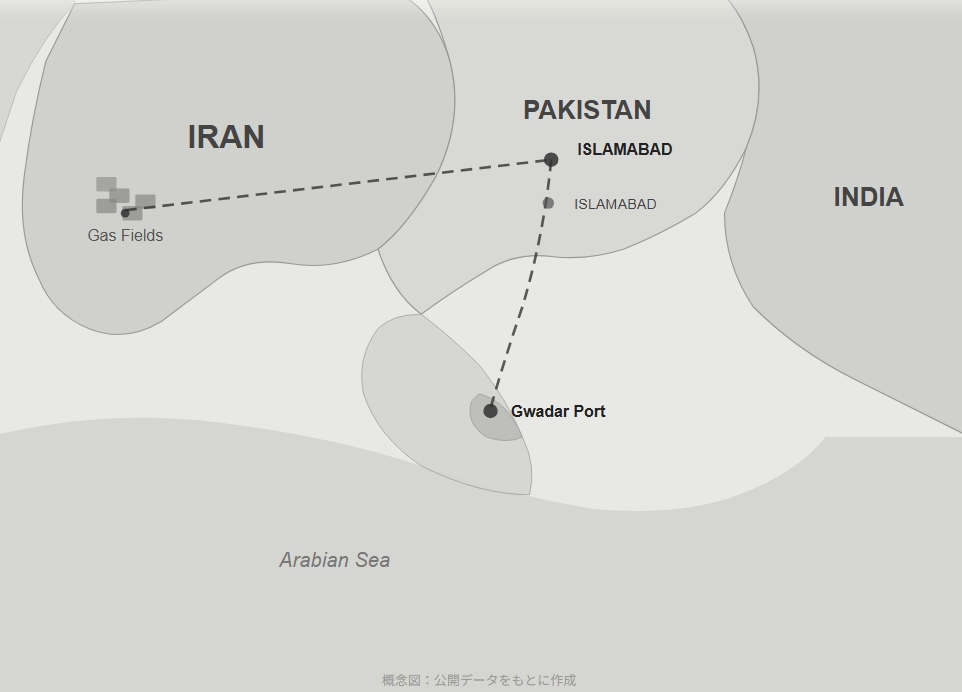
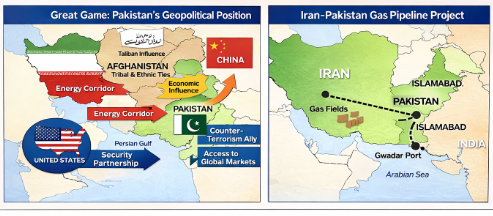
・ガスパイプライン構想(制裁により停滞)
※ エネルギー供給の観点から、イランとの関係は代替困難な構造依存である。
2. Energy Security: The Reality of Dependence on Iran
Iran is the geographically closest energy supplier for Pakistan. Facing chronic electricity shortages and fuel supply instability, Pakistan maintains its relationship with Iran in the following ways:
- Electricity supply in border regions
- Cross-border flows of petroleum products (including informal channels)
- Gas pipeline projects (stalled due to sanctions)
From the perspective of energy supply, Pakistan’s relationship with Iran constitutes a structurally irreplaceable dependency.
3. ドル体制と制裁構造
アメリカ合衆国は、ドルを基軸とする国際金融システムを通じて対イラン制裁を実施している。パキスタンは以下の面でドル体制に依存している。
・国際金融機関(IMF・世界銀行)へのアクセス
・外貨調達および債務管理
・安全保障分野での対米関係
よって、パキスタンはドル体制から離脱できない国家である。
3. The Dollar System and Sanctions Structure
The United States implements sanctions against Iran through the international financial system centered on the U.S. dollar. Pakistan depends on this dollar-based system in the following areas:
- Access to international financial institutions (IMF, World Bank)
- Foreign currency procurement and debt management
- Security relations with the United States
Therefore, Pakistan is a state that cannot disengage from the dollar system.
4. 非公式決済の役割(ハワラ)
ハワラは、銀行網を介さずに資金を移動させる伝統的な決済手段である。制裁環境下では以下の役割を担う:
・ドル決済回避
・越境エネルギー取引の補完
・非公式経済の資金循環維持
結論として、パキスタンは「公式にはドル圏、実務的には非ドル圏と接続する二重金融構造」を持つ。「ハワラは、国家の金融制裁と治安統制を無効化する“見えない金融インフラ”であり、日本も例外ではない。」
4. The Role of Informal Settlement (Hawala)
Hawala is a traditional method of transferring funds without the use of formal banking networks. Under sanctions environments, it serves the following functions:
- Avoidance of dollar-based transactions
- Supplementing cross-border energy trade
- Sustaining financial circulation within the informal economy
In conclusion, Pakistan operates a “dual financial structure”—formally connected to the dollar sphere, while in practice linked to a non-dollar sphere. Hawala functions as an “invisible financial infrastructure” that can effectively bypass state-imposed financial sanctions and security controls, and Japan is no exception to its reach.
5. 中国要因と地政学的制約
中国は、中国パキスタン経済回廊を通じてパキスタン経済に深く関与している。しかし、中国は主に以下を提供する:
・インフラ投資
・資源開発投資
一方、エネルギー供給の即応性ではイランが優位である。よって、パキスタンは、中国・イラン・米国のいずれも排除できない構造にある。
5. The China Factor and Geopolitical Constraints
China is deeply involved in Pakistan’s economy through the China–Pakistan Economic Corridor. However, China primarily provides:
- Infrastructure investment
- Resource development investment
On the other hand, Iran holds an advantage in terms of the immediacy of energy supply. Therefore, Pakistan is structurally unable to exclude any of the three actors—China, Iran, or the United States.
6. 仲介行動の戦略的意味
パキスタンが仲介を試みる理由は以下に集約される。
① エネルギー供給維持
紛争激化はイランからの供給を不安定化させる→ 国内経済に直結
② 制裁リスク管理
米・イラン対立の激化→ 非公式取引への圧力増大
③ ドル体制との関係維持
対米関係悪化は金融危機を誘発
④ 多極関係の維持
中国・中東・西側の全てと関係を維持する必要
6. Strategic Significance of Mediation Behavior
The reasons behind Pakistan’s attempt to mediate can be summarized as follows:
① Maintaining Energy Supply
An escalation of conflict would destabilize energy supplies from Iran → directly impacting the domestic economy
② Managing Sanctions Risk
Intensified U.S.–Iran tensions → increased pressure on informal transactions
③ Preserving Relations with the Dollar System
Deterioration of relations with the United States could trigger a financial crisis
④ Maintaining Multipolar Relationships
The necessity of sustaining relations with China, the Middle East, and the Western bloc
7. なぜ仲介「できる」のか
パキスタンは以下を同時に有する:
・イランとの地理的・経済的接続
・米国との安全保障関係
・アフガニスタンへの影響力
・中国との経済連携
以上により、主要プレイヤー全てと断絶していない数少ない国家
7. Why Pakistan “Can” Mediate
Pakistan simultaneously possesses the following attributes:
- Geographic and economic connectivity with Iran
- Security ties with the United States
- Influence over Afghanistan
- Economic cooperation with China
As a result, Pakistan is one of the few states that maintains relations with all major players without complete rupture.
8. 結論
パキスタンの仲介行動は、
・宗教的要因ではなく
・理念的外交でもなく
エネルギー確保とドル体制リスクの同時管理という国家戦略である。すなわち、
・イランを失えばエネルギーが崩れる
・米国を失えば金融が崩れる
・中国を失えば投資が止まる
よって仲介は、「選択」ではなく「必然」となる。
8. Conclusion
Pakistan’s mediation behavior is:
- Not driven by religious factors
- Nor by ideological diplomacy
Rather, it is a state strategy aimed at simultaneously securing energy and managing risks associated with the dollar-based system. In other words:
- Losing Iran would undermine energy security
- Losing the United States would destabilize finance
- Losing China would halt investment
Therefore, mediation is not a matter of “choice,” but of “necessity.”
参考・出典 References / Sources
・International Energy Agency
Energy Supply Security Reports
・U.S. Energy Information Administration
Iran Energy Profile / Pakistan Energy Data
・International Monetary Fund
Pakistan Country Reports
・World Bank
Pakistan Development and Energy Reports
・Congressional Research Service
Pakistan-U.S. Relations
・United Nations Office on Drugs and Crime
Afghanistan Opium Survey
・Financial Action Task Force
Illicit Financial Flows / Informal Transfer Systems Reports
・木下 顕伸(Akinobu Kinoshita)
中東アジア情報戦略研究所 所長
中東・アジア地域の政治・安全保障・情報戦略を専門とする独立系アナリスト。 30年以上の現地ネットワークと政府レベルの実務経験を基盤に、 2025年、中東アジア情報戦略研究所を設立。 著書『ISISと戦う』(愛育社、2016年)。
An independent analyst specializing in political affairs, security, and information strategy across the Middle East and Asia. Drawing on over 30 years of field networks and hands-on experience at the government level, he founded the Middle East Asia Information Strategy Institute in 2025. Author of ISIS to Tatakau (Aiikusha, 2016).