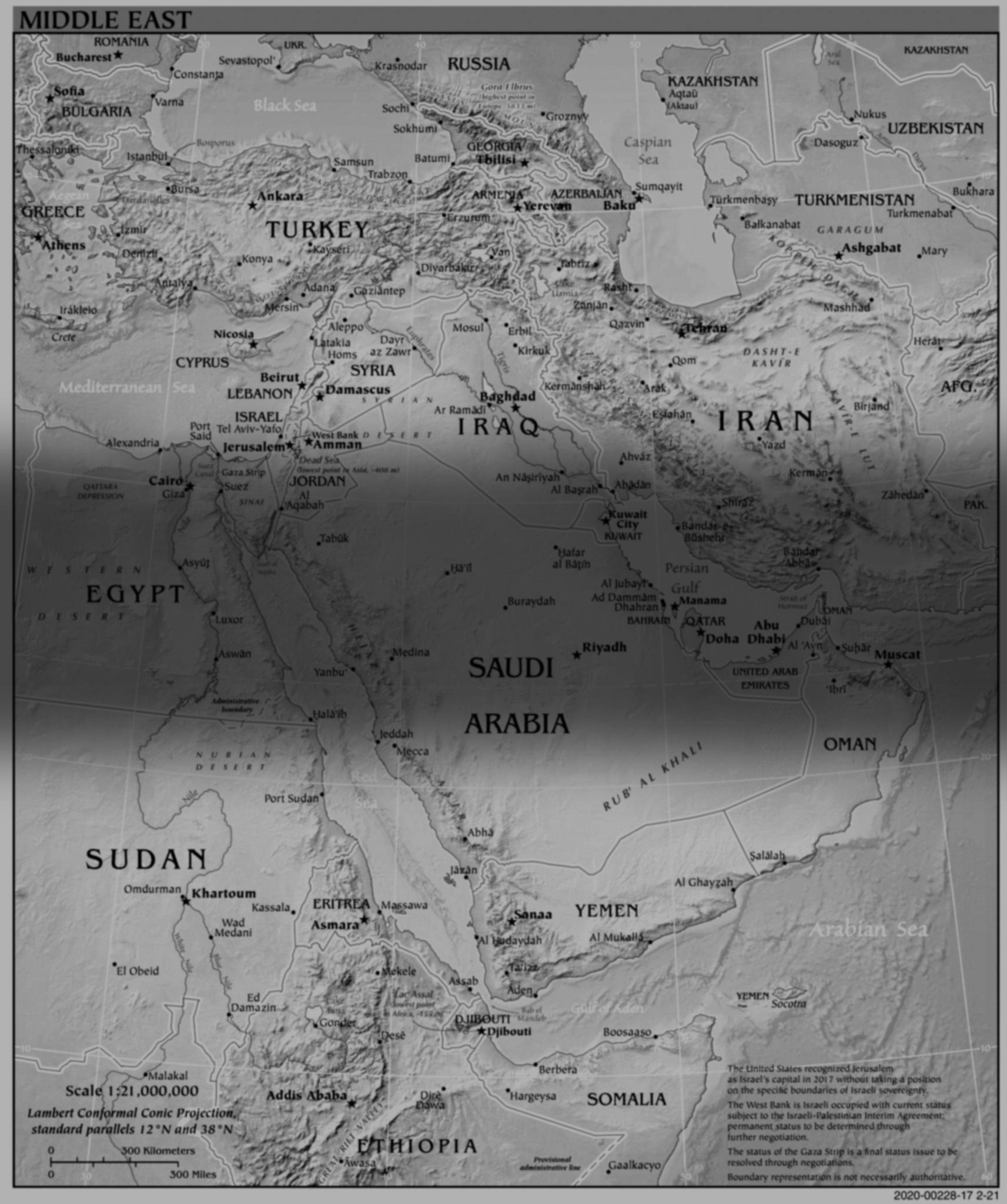
『ペルシャ湾封鎖によるイランの逆制裁の構造』
― 逆経済制裁・通貨戦争・和平交渉の力学 ―
発行日:2026年4月29日
発行:中東アジア情報戦略研究所
著者:木下顕伸
“The Structure of Iran’s Countersanctions through the Blockade of the Persian Gulf”
— Reverse Economic Sanctions, Currency Warfare, and the Dynamics of Peace Negotiations —
Date of Publication: April 28, 2026
Issued by: Middle East Asia Strategic Intelligence Institute
Author: Akinobu Kinoshita
“The English translation is provided at the end of the Japanese text.”
エグゼクティブサマリー
1.ペルシャ湾封鎖は、イランによる対抗的経済手段として機能し、結果的に湾岸諸国および世界経済に対する「逆経済制裁」となる。
2.対イラン制裁は金融・通貨システム封鎖として機能する一方、地下経済および非国家ネットワークの拡大を促進している。
3.イラクおよびクルド地域は、制裁回避の中継回路として機能し、地域全体が金融・物流ネットワークとして再編されている。
4.米国とイランの和平交渉は、核開発停止と制裁解除の交換条件に集約されるが、双方の政治的制約により「痛み分け」となる可能性が高い。
5.中東情勢は低強度衝突から全面戦争まで複数シナリオを内包し、特にホルムズ海峡封鎖は世界経済およびドル体制に重大な影響を及ぼす。
キーワード
- 逆経済制裁
- 通貨戦争
- ペトロダラー体制
- 制裁回避ネットワーク
- 管理された均衡
目次
第1章 ペルシャ湾封鎖は、逆経済制裁
第2章 イラン戦争の和平交渉の行方
第3章 イラン戦争シナリオ
第1章 ペルシャ湾封鎖は、逆経済制裁
1.イランによる逆経済制裁
現在のイスラエル・米国とイランの対立は、単なる軍事衝突にとどまらず、経済と通貨体制にも影響を及ぼしている。
まず、米国が直接的な軍事関与に踏み込んでいる点は、これまでの対イラン政策の中心であった経済制裁だけでは十分な効果を上げられなかったことを示唆している。
つまり、イスラエル・米VSイラン戦争は、経済制裁が機能しなかった証左でもある。次に、イラン及び米国が行うペルシャ湾の相互封鎖は、原油輸送の要衝を遮断する可能性を意味し、湾岸諸国の収益基盤に打撃を与えると同時に、世界のエネルギー供給と物流全体を不安定化させる要因となる。結果、世界経済に大きな打撃を与えるだけでなくペトロダラーの構造が機能しなくなり、同盟国の湾岸諸国並びに輸入国に対する逆経済制裁となっている。
2.イランとの制裁解除交渉
米国とイランの交渉は、主として イラン核合意(JCPOA) を軸として展開されてきた。
- 2015年:合意成立(オバマ政権)
- 2018年:ドナルド・トランプ により離脱
- 2021年以降:ジョー・バイデン 政権が再交渉
制裁解除の本来の意味
米国の制裁解除は、以下の戦略目的が重要となる:
- 核開発の抑制(ウラン濃縮制限)
- 中東における軍事衝突回避
- エネルギー市場の安定(特に原油価格)
- 中国・ロシアへの接近阻止
- 基軸通貨ドルの安定化
3.イラン凍結資産の所在と規模
米国の制裁により、イランの外貨資産は世界各地で凍結されている。
主な資金所在(推定)
- 韓国:約60~70億ドル
- イラク:約100億ドル規模(電力・ガス取引分)
- 日本・欧州:数十億ドル規模
- その他(中国・UAEなど):非公開だが相当額
総額:約1000億ドル規模(時期により変動)
特徴
- 多くは「ドル決済システム」経由のため凍結
- 実際には“存在するが使えない資金”
4.一部制裁解除:資金解放のメカニズム
近年の交渉では、完全解除ではなく「限定的解放」が行われている。
例:
- 人道目的(医薬品・食料)
- 第三国管理(カタール等)
自由資金ではなく「人道目的の用途限定資金」として開放される
5.金融制裁がイラン経済に与えた影響
米国の制裁は、単なる経済圧力ではなく「通貨システム封鎖」である。
中核構造
- SWIFT からの排除
- ドル決済禁止
- 原油輸出制限
結果
- 通貨リヤルの暴落
- インフレ率の急騰(40%以上の時期も)
- 外貨不足
- 密輸・闇市場の拡大
国家経済の「地下化」と基軸通貨回避に繋がる。
6.制裁下における支援組織に対する武器資金の流れと地域展開
制裁下でも、イランは「非対称戦略」により影響力を維持している。
主な支援先
- レバノン:ヒズボラ
- イラク:シーア派民兵(PMF)
- イエメン:フーシ派
- シリア:旧アサド政権支援
資金・武器供給の特徴
- 正規資金ではなく迂回ルート
- 現金・金・物資取引
- ドローン・ミサイル技術供与
結果:経済制裁は軍事活動を止めていないむしろ「非国家ネットワーク化」を促進した
7.米国側のイランに対する戦略的ジレンマ
米国の制裁政策には構造的矛盾が存在する。
矛盾構造
| 目的 | 結果 |
| イラン封じ込め | 地下経済強化 |
| 軍事抑制 | 代理戦争の拡大 |
| ドル支配維持 | 非ドル圏の拡大 |
8.経済制裁と結果
米国の対イラン制裁は、「軍事戦争だけではなく通貨戦争」の結果に繋がった。その結果:
- イランは国家として弱体化
- 同時に「非国家ネットワーク」を強化した
しかし、これは従来型国家モデルを前提とした金融制裁の限界を示し、反基軸通貨同盟化に繋がる。
9.和平交渉とイランによる湾岸諸国に対する逆制裁
米国とイランの和平交渉には、イスラエルが大きな影響力を持っていることは明らかである。しかし、中東全体の力学を理解するためには、湾岸諸国を含めた対立構造を分けて捉える必要がある。
まず、イスラエルはパレスチナ問題、特に入植政策をめぐってアラブ諸国と対立してきた。この対立は歴史的・政治的要因に根ざしたものであり、現在も完全には解消されていない。
一方で、湾岸諸国にとっての最大の安全保障上の脅威はイランである。イランの軍事力拡大や、地域内での民兵組織を通じた影響力行使は、湾岸諸国にとって深刻な懸念材料となっている。
その結果、湾岸諸国は
- 安全保障面では米国に依存し
- 経済面では石油取引を基盤とするドル体制(ペトロダラー)に組み込まれている
という構造に置かれている。
このため湾岸諸国は、イスラエルや米国の対イラン戦略に全面的に関与することには慎重でありながらも、同盟関係の中で結果的にイランとの対立軸に位置づけられている。さらに、イランによるペルシャ湾封鎖、あるいはそれに類する緊張状態は、湾岸諸国にとっては輸出ルートの遮断を意味し、実質的には経済制裁と同様の効果をもたらす。この点で、湾岸諸国は地政学的リスクを直接的に負う立場にある。
対立構造の整理
- イスラエル vs アラブ諸国
→ パレスチナ問題(歴史・領土・宗教) - 湾岸諸国 vs イラン
→ 軍事拡大・民兵組織による地域干渉
要点まとめ
- イスラエルは米・イラン関係に影響を与える存在
- 湾岸諸国は「対イスラエル」より「対イラン」を優先
- ただし米国依存のため、対立構造に組み込まれる
- ペルシャ湾の緊張は湾岸諸国にとって“事実上の制裁”
10.経済制裁と資金構造の再統合
米国の対イラン制裁は依然として中核要素である。
制裁の中核
- ドル決済遮断
- SWIFT 排除
- 原油輸出制限
現実は迂回構造
- イラン → イラク中央政府
- イラン → KRG(物資・現金)
- 密輸・非公式経済
結論:イラク全体が制裁回避ネットワークに繋がる。
武装ネットワークの空間分布
イランは国家としてだけでなく革命防衛隊の「ネットワーク」として行動する。
主軸
- ヒズボラ
- イラク民兵(PMF)
- フーシ派
KRG周辺の意味
- 物流ルート
- 武器移動の接点
- 情報戦の交差点
第2章 イラン戦争の和平交渉の行方
1.米国の戦争目的の変遷と交渉の不安定性
本戦争における米国の「大義」は一貫しておらず、時間の経過とともに変遷している。
当初は核施設の壊滅を目的とした空爆であり、一定の軍事的成果を達成したとされる。しかしその後、
- 軍事施設への攻撃
- 宗教指導者および革命防衛隊幹部の暗殺
- 国民による体制転換の示唆
- 核開発の完全停止要求
といった複数の目標が混在し、戦争目的は拡散している。
このような大義の変遷は、和平交渉における正統性と一貫性を著しく損なう要因となっている。
2.米国国内政治と早期終結圧力
米国側には、国内政治上の強い制約が存在する。特に大統領選挙や中間選挙を控える中で、政権は以下の条件を満たす必要がある。
- 明確な「勝利宣言」
- 軍事的成果の可視化
- 戦争長期化の回避
戦争が長期化すれば、
- 将兵の犠牲増大
- 反戦世論の拡大
- 石油価格の高騰による経済悪化
が不可避となる。これにより、米国の国際的信用低下および基軸通貨体制への不信が生じる可能性がある。したがって、米国にとって和平は「戦略的勝利」ではなく、「政治的必要性」として迫られている。
3.イラン国内の制約と和平志向
一方、イラン側もまた深刻な内部制約を抱えている。
- 宗教指導者・革命防衛隊幹部の殺害による体制の動揺
- 長期的経済制裁による国民生活の疲弊
- ハイパーインフレの継続
これらの要因により、国民の間では早期和平を望む声が強まっている。さらに、戦争の長期化は、
- 体制への信頼低下
- 指導層への批判増大
を引き起こすため、穏健派・強硬派を問わず、一定の形での停戦は合理的選択となる。
4.「痛み分け」としての和平構造
本交渉の帰結は、いずれの側にも決定的勝利をもたらさない「痛み分け」となる可能性が高い。
イラン側
- 指導層への打撃という政治的損失
- ただし、制裁解除が実現すれば経済的回復の余地
しかしながら、仮に制裁が部分的に残存すれば、金融統制からの完全脱却は困難である。
米国側
- 核開発停止という限定的成果を得る可能性
- しかし戦費回収の見込みは薄い
また、ペルシャ湾の軍事的・経済的管理を強化した場合、
- 湾岸諸国
- エネルギー輸入国
に対しても負担を強いることとなり、長期的には米国自身の負担増大を招く。
5.交渉の核心:制裁解除と核開発停止の交換条件
和平交渉の本質は、以下の交換条件に集約される。
- 米国:核開発の停止を要求
- イラン:経済制裁の解除を要求
特にイランは、長期にわたり制裁に耐えてきた実績を持つため、制裁解除なき合意には応じない可能性が高い。したがって、制裁解除の程度と段階的実施が交渉の最大の争点となる。
6.戦争目的の本質と戦略的帰結
米国の戦争目的を整理すると、以下に収斂する。
- イスラエルの安全保障確保
- 湾岸諸国への軍事的圧力の軽減
これらを超える包括的な戦略目標は限定的であり、体制転換などの目標は現実的実行可能性に乏しい。そのため、最終的にイランから核開発停止を引き出せなければ、米国は戦略的敗北と評価される可能性が高い。
結論
本戦争の和平交渉は、
- 米国の政治的制約
- イランの体制維持と経済的限界
という相互制約の中で進行する。結果として、
- 明確な勝者は存在せず
- 双方が一定の損失を受け入れる形での合意
すなわち「管理された均衡」としての和平に収束する可能性が高い。
その成否は、「核開発停止」と「制裁解除」のバランス設計にかかっている。
第3章 イラン戦争シナリオ
和平交渉合意がなされない場合の想定シナリオ(3段階)
1.イラン戦争シナリオ分析
シナリオ1:低強度衝突(現状)
- 限定的空爆(イランvs米国)
- 湾岸封鎖
- 代理戦争継続
- 制裁維持
最も持続的だが世界経済に大きなダメージを与える
シナリオ2:局地戦争激化
トリガー:
- イスラエル vs イラン直接戦争
- 核使用再燃
展開:
- イラク・シリア・レバノン・イスラエルが戦場化
シナリオ3:米国・イラン戦争激化
トリガー:
- イランによるホルムズ海峡全面封鎖
- イランによる海底ケーブル遮断
- 米国による全面攻撃
影響:
- エネルギー危機
- ドル体制動揺
- 湾岸諸国金融システム崩
“The Structure of Iran’s Countersanctions through the Blockade of the Persian Gulf”
— Reverse Economic Sanctions, Currency Warfare, and the Dynamics of Peace Negotiations —
Date of Publication: April 29, 2026
Issued by: Middle East Asia Strategic Intelligence Institute
Author: Akinobu Kinoshita
Executive Summary
- The blockade of the Persian Gulf functions as a countermeasure by Iran, effectively becoming a form of “reverse economic sanctions” against Gulf states and the global economy.
- Sanctions against Iran operate as a financial and monetary system blockade, while simultaneously promoting the expansion of underground economies and non-state networks.
- Iraq and the Kurdish region function as transit circuits for sanctions evasion, leading to the reconfiguration of the entire region as a financial and logistics network.
- Peace negotiations between the United States and Iran are centered on the exchange of nuclear development suspension and sanctions relief, but are likely to result in a “mutually painful compromise” due to political constraints on both sides.
- The Middle East situation encompasses multiple scenarios ranging from low-intensity conflict to full-scale war, with a blockade of the Strait of Hormuz posing particularly significant impacts on the global economy and the dollar system.
Keywords
• Reverse Economic Sanctions
• Currency Warfare
• Petrodollar System
• Sanctions Evasion Network
• Managed Equilibrium
Table of Contents
Chapter 1: The Blockade of the Persian Gulf as Reverse Economic Sanctions
Chapter 2: The Trajectory of Peace Negotiations in the Iran War
Chapter 3: Iran War Scenarios
Chapter 1: The Blockade of the Persian Gulf as Reverse Economic Sanctions
1. Iran’s Reverse Economic Sanctions
The current confrontation between Israel, the United States, and Iran extends beyond mere military conflict and has significant implications for economic and monetary systems.
First, the fact that the United States has moved toward direct military involvement suggests that economic sanctions—previously the central pillar of U.S. policy toward Iran—have not achieved sufficient effectiveness. In other words, the Israel–U.S. vs. Iran conflict itself serves as evidence of the limitations of economic sanctions.
Furthermore, the mutual blockade of the Persian Gulf by Iran and the United States implies the potential disruption of a critical chokepoint for global oil transportation. This would not only undermine the revenue base of Gulf states but also destabilize global energy supply and logistics as a whole. As a result, it would inflict significant damage on the global economy, undermine the functioning of the petrodollar system, and effectively operate as a form of reverse economic sanctions against allied Gulf states as well as importing countries.
2. Negotiations for Sanctions Relief with Iran
Negotiations between the United States and Iran have primarily been conducted around the framework of the Iran nuclear deal (JCPOA).
• 2015: Agreement reached (Obama administration)
• 2018: Withdrawal by Donald Trump
• From 2021 onward: Renegotiations under the Joe Biden administration
The fundamental meaning of sanctions relief lies in the following strategic objectives for the United States:
- Restraining nuclear development (limiting uranium enrichment)
- Avoiding military conflict in the Middle East
- Stabilizing energy markets (particularly oil prices)
- Preventing closer alignment with China and Russia
- Stabilizing the U.S. dollar as the global reserve currency
3. Location and Scale of Iran’s Frozen Assets
Due to U.S. sanctions, Iran’s foreign currency assets have been frozen across various parts of the world.
Major estimated holdings:
• South Korea: approximately $6–7 billion
• Iraq: approximately $10 billion (from electricity and gas transactions)
• Japan and Europe: several billion dollars
• Others (China, UAE, etc.): undisclosed but substantial
Total: approximately $100 billion (varies over time)
Characteristics:
• Most assets are frozen due to their linkage to the dollar-based settlement system
• In effect, these are “existing but unusable funds”
4. Partial Sanctions Relief: Mechanisms of Fund Release
Recent negotiations have focused not on full sanctions removal but on “limited releases.”
Examples:
• Humanitarian purposes (medicine, food)
• Third-party management (e.g., Qatar)
These funds are not freely usable but are released as “restricted funds designated for humanitarian use.”
5. Impact of Financial Sanctions on Iran’s Economy
U.S. sanctions function not merely as economic pressure but as a “currency system blockade.”
Core mechanisms:
• Exclusion from SWIFT
• Prohibition of dollar-based transactions
• Restrictions on oil exports
Results:
- Collapse of the Iranian rial
- Sharp inflation (exceeding 40% at times)
- Shortage of foreign currency
- Expansion of smuggling and black markets
This has led to the “undergroundization” of the national economy and a shift away from reliance on the dollar-based system.
6. Flows of Funds and Weapons to Supported Organizations under Sanctions and Regional Expansion
Even under sanctions, Iran has maintained its influence through an “asymmetric strategy.”
Main recipients of support:
• Lebanon: Hezbollah
• Iraq: Shiite militias (PMF)
• Yemen: Houthi movement
• Syria: support for the former Assad regime
Characteristics of funding and arms supply:
• Indirect routes rather than formal financial channels
• Transactions in cash, gold, and goods
• Provision of drone and missile technologies
Result: Economic sanctions have not halted military activities; rather, they have accelerated the formation of non-state networks.
7. The Strategic Dilemma of the United States toward Iran
U.S. sanctions policy contains structural contradictions.
Contradictory structure:
| Objective | Result |
| Contain Iran | Strengthening of the underground economy |
| Suppress military activity | Expansion of proxy wars |
| Maintain dollar dominance | Expansion of non-dollar economic spheres |
8. Economic Sanctions and Their Outcomes
U.S. sanctions against Iran have resulted not only in military confrontation but also in “currency warfare.”
As a result:
• Iran has weakened as a state
• At the same time, it has strengthened its non-state networks
This demonstrates the limitations of financial sanctions based on traditional state-centric models and contributes to the formation of anti-dollar alliances.
9. Peace Negotiations and Iran’s Reverse Sanctions against Gulf States
It is evident that Israel exerts significant influence over U.S.–Iran peace negotiations. However, to understand the broader dynamics of the Middle East, it is necessary to distinguish between different axes of conflict, including those involving Gulf states.
First, Israel has historically conflicted with Arab states over the Palestinian issue, particularly settlement policies. This conflict is rooted in historical and political factors and remains unresolved.
On the other hand, for Gulf states, the primary security threat is Iran. Iran’s military expansion and its use of proxy militias to exert regional influence are major concerns.
As a result, Gulf states are positioned within a structure in which:
• They depend on the United States for security
• They are integrated into a dollar-based system (the petrodollar system) centered on oil transactions
Consequently, while Gulf states remain cautious about fully engaging in U.S. or Israeli anti-Iran strategies, they are effectively incorporated into a confrontational framework with Iran due to alliance structures.
Furthermore, a blockade of the Persian Gulf by Iran—or even a comparable level of tension—would disrupt export routes for Gulf states, effectively producing outcomes like economic sanctions. In this sense, Gulf states directly bear geopolitical risks.
Structure of Confrontation
• Israel vs. Arab states
→ Palestinian issue (history, territory, religion)
• Gulf states vs. Iran
→ Military expansion and regional intervention via militias
Key Points Summary
• Israel plays a significant role in influencing U.S.–Iran relations
• Gulf states prioritize “countering Iran” over “countering Israel”
• However, due to dependence on the United States, they are incorporated into the broader conflict structure
• Tensions in the Persian Gulf function as “de facto sanctions” on Gulf states
10. Reintegration of Economic Sanctions and Financial Structures
U.S. sanctions against Iran remain a central element.
Core Components of Sanctions
• Blocking of dollar-based transactions
• Exclusion from SWIFT
• Restrictions on oil exports
The Reality: Evasion Structures
• Iran → Iraqi central government
• Iran → KRG (goods and cash)
• Smuggling and informal economies
Conclusion: Iraq functions as part of a sanctions evasion network.
Spatial Distribution of Armed Networks
Iran operates not only as a state but also as a “network” centered on the Islamic Revolutionary Guard Corps.
Main Axes
• Hezbollah
• Iraqi militias (PMF)
• Houthi movement
Strategic Significance of the KRG Area
• Logistics routes
• Nodes for weapons transfers
• Intersection of information warfare
Chapter 2: The Trajectory of Peace Negotiations in the Iran War
1. Evolution of U.S. War Objectives and the Instability of Negotiations
The “justification” of the United States in this war has not been consistent but has evolved over time.
Initially, the objective was airstrikes aimed at the destruction of nuclear facilities, which were considered to have achieved a certain level of military success. However, subsequently:
• Attacks on military facilities
• Assassinations of religious leaders and senior Islamic Revolutionary Guard Corps officials
• Suggestions of regime change by the population
• Demands for the complete cessation of nuclear development
These multiple objectives have become intertwined, leading to a diffusion of war aims.
Such shifts in justification significantly undermine both the legitimacy and consistency of peace negotiations.
2. U.S. Domestic Politics and Pressure for Early Termination
The United States faces strong domestic political constraints. Particularly in the context of upcoming presidential and midterm elections, the administration must meet the following conditions:
• A clear declaration of “victory”
• Visible military achievements
• Avoidance of prolonged conflict
If the war continues:
• Increased casualties among military personnel
• Expansion of anti-war public sentiment
• Economic deterioration due to rising oil prices
These outcomes are unavoidable. This could lead to a decline in U.S. international credibility and growing distrust in the dollar-based global system. Therefore, for the United States, peace is not a “strategic victory,” but rather a “political necessity.”
3. Internal Constraints in Iran and Orientation toward Peace
On the other hand, Iran also faces severe internal constraints:
• Destabilization of the regime due to the killing of religious leaders and IRGC officials
• Exhaustion of public life due to prolonged economic sanctions
• Continued hyperinflation
These factors have strengthened public demand for an early peace. Furthermore, prolonged conflict would lead to:
• Declining trust in the regime
• Increased criticism of leadership
As a result, regardless of whether factions are moderate or hardline, a form of ceasefire becomes a rational choice.
4. Peace Structure as a “Mutually Painful Compromise”
The outcome of these negotiations is likely to be a “mutually painful compromise,” in which neither side achieves decisive victory.
Iran’s side:
• Political losses due to damage to its leadership
• However, potential for economic recovery if sanctions are lifted
Nevertheless, if sanctions remain partially in place, complete liberation from financial control will be difficult.
U.S. side:
• Potential to achieve the limited objective of halting nuclear development
• However, little prospect of recovering war expenditures
Moreover, strengthening military and economic control over the Persian Gulf would impose additional burdens on:
• Gulf states
• Energy-importing countries
In the long term, this would increase the burden on the United States itself.
5. Core of the Negotiations: Exchange Between Sanctions Relief and Nuclear Suspension
The essence of the peace negotiations is concentrated in the following exchange:
• United States: demands cessation of nuclear development
• Iran: demands lifting of economic sanctions
Given Iran’s demonstrated ability to endure long-term sanctions, it is unlikely to accept any agreement without sanctions relief. Therefore, the scope and phased implementation of sanctions removal become the central points of contention.
6. The Essence of War Objectives and Strategic Consequences
When U.S. war objectives are distilled, they converge into the following:
• Ensuring Israel’s security
• Reducing military pressure on Gulf states
Broader strategic goals beyond these remain limited, and objectives such as regime change lack realistic feasibility. Therefore, if the United States ultimately fails to secure a halt to Iran’s nuclear development, it may be evaluated as a strategic defeat.
Conclusion
Peace negotiations in this war proceed under mutual constraints:
• Political constraints of the United States
• Iran’s need for regime survival and its economic limitations
As a result:
• No clear winner is likely to emerge
• Both sides will be compelled to accept a certain degree of loss
In other words, the outcome is likely to converge toward a peace characterized by a “managed equilibrium.”
Its success will depend on the balance between “cessation of nuclear development” and “sanctions relief.”
Chapter 3: Iran War Scenarios
Hypothetical Scenarios if Peace Negotiations Fail (Three Stages)
1. Iran War Scenario Analysis
Scenario 1: Low-Intensity Conflict (Status Quo)
- Limited airstrikes (Iran vs. the United States)
- Blockade of the Persian Gulf
- proxy warfare
- Continuation of sanctions
This scenario is the most sustainable but inflicts significant damage on the global economy.
Scenario 2: Escalation to Regional War
Trigger:
- Direct war between Israel and Iran
- Renewed use or threat of nuclear weapons
Development:
- Iraq, Syria, Lebanon, and Israel become active battlefields
Scenario 3: Full-Scale U.S.–Iran War Escalation
Trigger:
- Iran imposes a blockade of the Strait of Hormuz
- Iran disrupts submarine communication cables
- The United States launches a full-scale military attack
Impact:
- Global energy crisis
- Destabilization of the dollar-based monetary system
- Collapse of financial systems in Gulf states
・木下 顕伸(Akinobu Kinoshita)
中東アジア情報戦略研究所 所長
中東・アジア地域の政治・安全保障・情報戦略を専門とする独立系アナリスト。 30年以上の現地ネットワークと政府レベルの実務経験を基盤に、 2025年、中東アジア情報戦略研究所を設立。 著書『ISISと戦う』(愛育社、2016年)。
An independent analyst specializing in political affairs, security, and information strategy across the Middle East and Asia. Drawing on over 30 years of field networks and hands-on experience at the government level, he founded the Middle East Asia Information Strategy Institute in 2025. Author of ISIS to Tatakau (Aiikusha, 2016).